Spanish Conquest of Philippines
The Spanish established their rule in the Philippines with a small contingent of soldiers and priests. Led by Miguel López de Legazpi, they asserted dominance over the islands by 1591. The Spanish rule had a lasting impact on the culture and history of the Philippines.
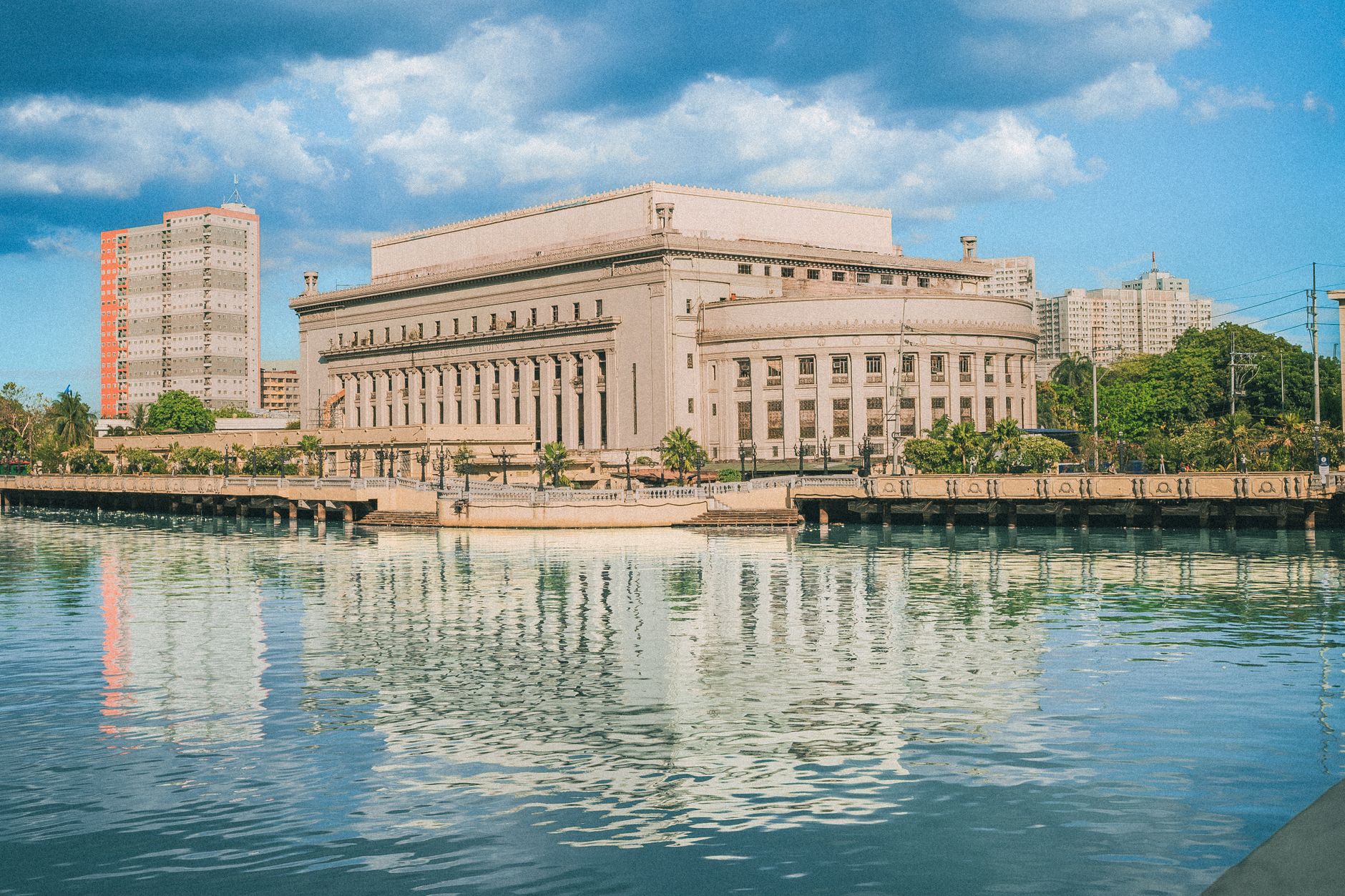
Photo by Clarence Gaspar on Pexels
The Spanish in Philippines: A Fraction of a Percent in Control
On June 24, 1571, Miguel López de Legazpi established the first Spanish settlement in Manila, Philippines, marking the beginning of Spanish rule over the islands. Legazpi, a Spanish conquistador, had arrived in the Philippines with a small contingent of soldiers and priests. By 1591, the Spanish had asserted their dominance over the archipelago, with a mere 500 Spaniards ruling over 7,000 islands.
What Everyone Knows
Most people think that the Spanish conquest of the Philippines was a straightforward military campaign, with Spanish soldiers overwhelming the local populations. The standard story goes that the Spanish arrived, fought a few battles, and then imposed their rule over the islands. However, this simplistic narrative overlooks the complex web of alliances, conversions, and administrative systems that allowed the Spanish to maintain control with such a small number of personnel.
What History Actually Shows
Historian John Leddy Phelan argues in his book "The Hispanization of the Philippines" that the Spanish relied heavily on the Catholic Church to consolidate their power. By 1581, Spanish priests had established a network of missions and churches throughout the islands, which served as centers of administration and social control. As historian Teodoro Agoncillo notes in "Malolos: The Crisis of the Republic", the Spanish also co-opted local leaders, known as "principales", to govern on their behalf. The Spanish were able to rule with such a small number of personnel because they created a system of indirect rule, where local leaders were responsible for collecting taxes and maintaining order. This system allowed the Spanish to focus on trade and commerce, while the local leaders managed the day-to-day governance of the islands. On August 14, 1595, the Spanish established the Royal Audiencia of Manila, a high court that oversaw the administration of the islands, further solidifying their control. By 1608, the Spanish had established a robust system of governance, with priests playing a key role in maintaining social order and collecting taxes. Historian Robert Reed, in his book "Colional Manila", highlights the importance of the Catholic Church in shaping the social and economic structures of the islands, allowing the Spanish to maintain their control with minimal personnel.
The Part That Got Buried
Historians like Teodoro Agoncillo and Renato Constantino actively worked to downplay the significance of Spanish colonization in the Philippines, focusing instead on the nationalist movement and the country's struggle for independence. The Philippine government also played a role in suppressing this history, as it sought to promote a narrative of national unity and resistance to colonial rule. A key reason for this omission is the fact that the Spanish colonial period is often seen as a dark chapter in Philippine history, and many Filipinos prefer to focus on their indigenous heritage and the country's modern achievements. The decision to prioritize these aspects of history over the complexities of Spanish rule has resulted in a lack of attention to the ways in which a small group of Spaniards, backed by priests, were able to exert control over a vast and diverse population. The National Commission for Culture and the Arts has also been criticized for its limited efforts to preserve and promote the historical legacy of Spanish colonization in the Philippines.
The Ripple Effect
The Spanish colonization of the Philippines had a profound impact on the country's language, culture, and politics. Many Filipinos today still bear Spanish surnames, a legacy of the clerical practice of assigning Spanish names to indigenous people. The influence of Spanish rule can also be seen in the country's modern education system, which was established by the Spanish and continues to shape the way Filipinos learn and think. A specific example of this legacy is the University of Santo Tomas, which was founded by Spanish priests in 1611 and remains one of the oldest and most prestigious universities in the Philippines.
The Line That Says It All
The Spanish colonization of the Philippines was marked by the execution of native leader Gabriela Silang in 1763, an event that symbolizes the brutal suppression of indigenous resistance to Spanish rule.
A Note on Sources
This article draws on historical records, documented accounts, and academic research related to the Spanish colonization of the Philippines from 1521 to 1898.