Spanish Conquistador Turned Mayan War Chief
Gonzalo Guerrero, a Spanish conquistador, was captured by the Mayans and became a war chief. He led the Mayans to victory against his own people, a testament to his survival and adaptation. This astonishing episode in the Age of Exploration is a complex tale of betrayal and unexpected alliances.
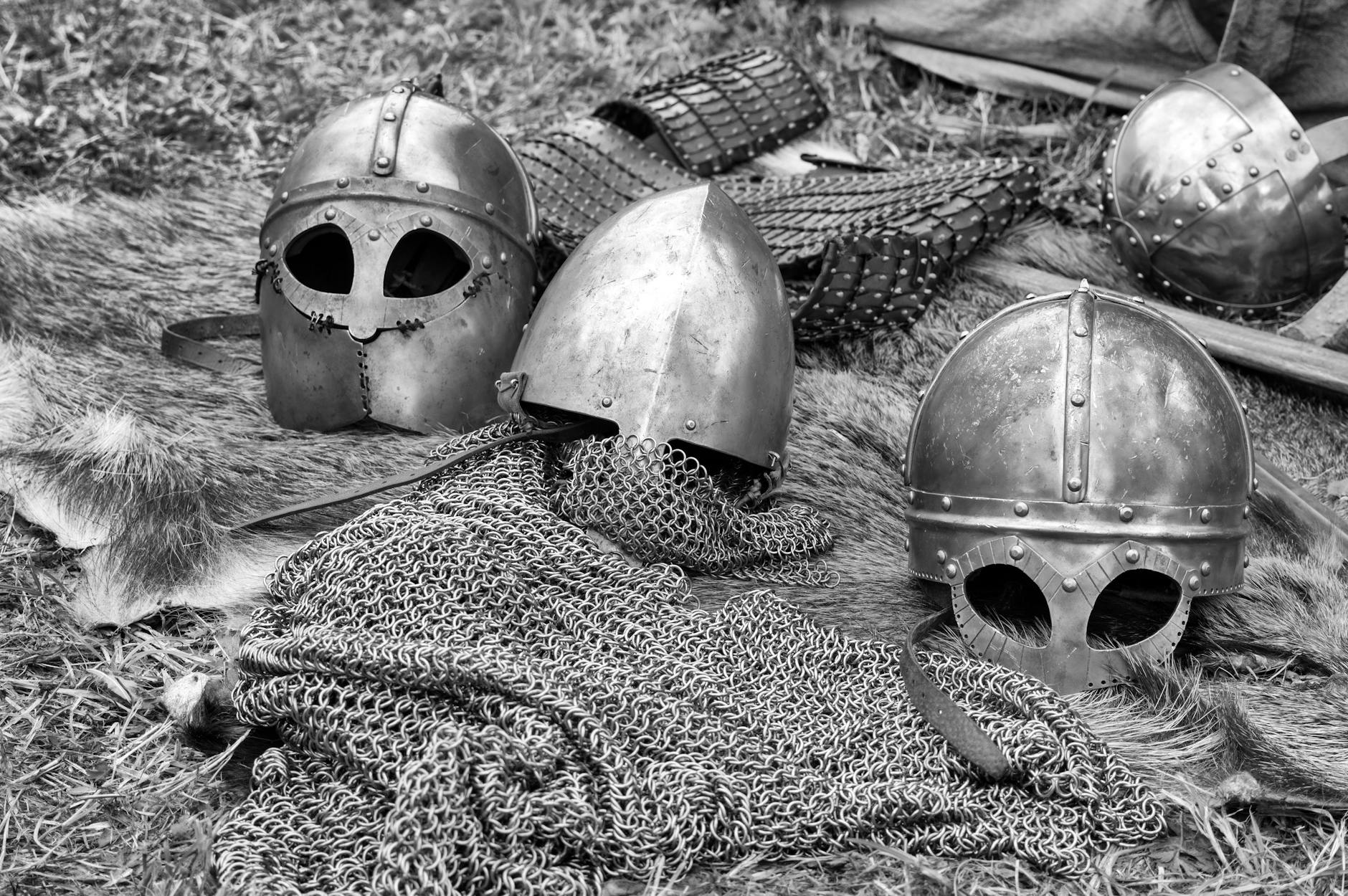
Photo by Pixabay on Pexels
The Conquistador Who Fought for the Maya
In 1511, a Spanish ship ran aground on a reef off the coast of the Yucatán Peninsula. The survivors, fewer than twenty men, made it to shore. They were captured by the Maya. Most were sacrificed. A few were enslaved. One of them, a sailor named Gonzalo Guerrero, did something that no one expected. He learned the Mayan language. He learned Mayan customs. He married a Mayan woman. He had children with her. He became a Mayan war chief. When the Spanish returned to conquer the Yucatán, Guerrero led the Maya against them.
His fellow Spaniards called him a traitor. The Maya called him a leader. He had started as a prisoner. He ended as a commander, fighting the army of the empire that had sent him to the New World. His story was recorded by the Spanish chroniclers who wrote the history of the conquest. They did not know what to make of him. They still do not.
What Everyone Knows
The Spanish conquest of the Americas is usually told as a story of European triumph. Cortés conquered the Aztecs. Pizarro conquered the Incas. The Spanish brought Christianity, European technology, and a new world order to the continents that had been isolated for millennia. The indigenous peoples who resisted were defeated. The ones who collaborated were assimilated.
The story of Gonzalo Guerrero does not fit this narrative. He was not a conqueror. He was a captive who chose to stay with his captors. He did not assimilate into Spanish culture. He assimilated into Mayan culture. He did not help the Spanish conquer the Maya. He helped the Maya resist the Spanish. His existence complicates the story of the conquest. It suggests that the lines between European and indigenous, between conqueror and conquered, were not as clear as the chroniclers wanted them to be.
What History Actually Shows
Gonzalo Guerrero was a sailor from Palos, Spain, the same town that had sent Columbus to the Americas. He arrived in the Caribbean in 1510, on a ship that was part of the Spanish colonization of the region. The ship wrecked off the coast of the Yucatán. Guerrero and the other survivors were captured by the Maya of the eastern coast.
The Maya who captured them were part of a network of city-states that had been in decline for centuries but were still powerful enough to resist Spanish incursions. They had seen Spanish ships before. They had learned that the strangers who came from the sea were dangerous. They killed most of the survivors. Guerrero and a few others were kept alive as slaves.
Guerrero adapted quickly. He learned the Mayan language. He learned to fight with Mayan weapons. He learned the politics of the region, the rivalries between cities, the alliances that shifted with each new threat. His skills made him valuable. His value made him free. By the time the Spanish returned to the Yucatán in 1517, Guerrero was no longer a slave. He was a trusted advisor to Nachán Can, the ruler of the Maya of Chetumal.
When the Spanish expedition of 1517 landed on the coast, Guerrero was there. The Spanish recognized him. They offered to take him back. He refused. He said he had a Mayan wife and Mayan children. He said his face was tattooed and his ears were pierced, as the Maya had marked him as one of their own. He said he would not leave.
The Part That Got Buried
The Spanish chroniclers who wrote about Guerrero were conflicted. They admired his courage and his skill. They condemned his betrayal. The conquistador Bernal Díaz del Castillo, who wrote a history of the conquest, met Guerrero's Mayan wife and children years after Guerrero's death. He described Guerrero as a man who had "gone native," a phrase that captured the Spanish anxiety about men who abandoned their own culture for another.
Guerrero's decision was not simply a matter of personal choice. The Maya who had captured him had given him a life that Spain could not offer. In Spain, he was a sailor, a poor man with no prospects. In the Yucatán, he was a war chief, a man of status, a leader. The Maya valued him for what he knew. The Spanish valued him for what they could not understand.
Guerrero fought the Spanish for the rest of his life. He led Mayan forces in battles against the expeditions of 1517, 1518, and 1519. He trained the Maya in Spanish tactics. He warned them of Spanish strategies. He was killed in a battle in 1536, fighting against a Spanish force that was trying to penetrate the Yucatán. He was still fighting for the Maya.
The Ripple Effect
Guerrero's story was known to the Spanish who colonized the Yucatán. It was a cautionary tale. A Spaniard who had been given every reason to hate the Maya had chosen to become one of them. He had fought against his own people. He had died fighting for the people who had once enslaved him.
The Maya remembered Guerrero differently. He was one of the few Spaniards who had fought on their side. His knowledge of European warfare had helped them resist the conquest for decades. The Yucatán was one of the last regions of Mexico to be pacified. The Maya did not surrender until 1546, ten years after Guerrero's death. They had learned from him how to fight the Spanish. They used what he taught them for as long as they could.
The Line That Says It All
Gonzalo Guerrero was captured by the Maya, enslaved, and then freed himself by becoming more Mayan than the Maya expected—and when the Spanish came to conquer the land where he had made his life, he led the Maya against them, fought them for twenty years, and died still wearing the tattoos and piercings that marked him as a man who had chosen one side and stayed on it.