
Spanish Silver Mines Funded Wars with Slave Labor
The Spanish discovered vast silver deposits in Potosí, Peru in 1545. The mita system forced thousands of indigenous people to work in the mines. This labor fueled the Spanish Empire's military expansion across Europe.
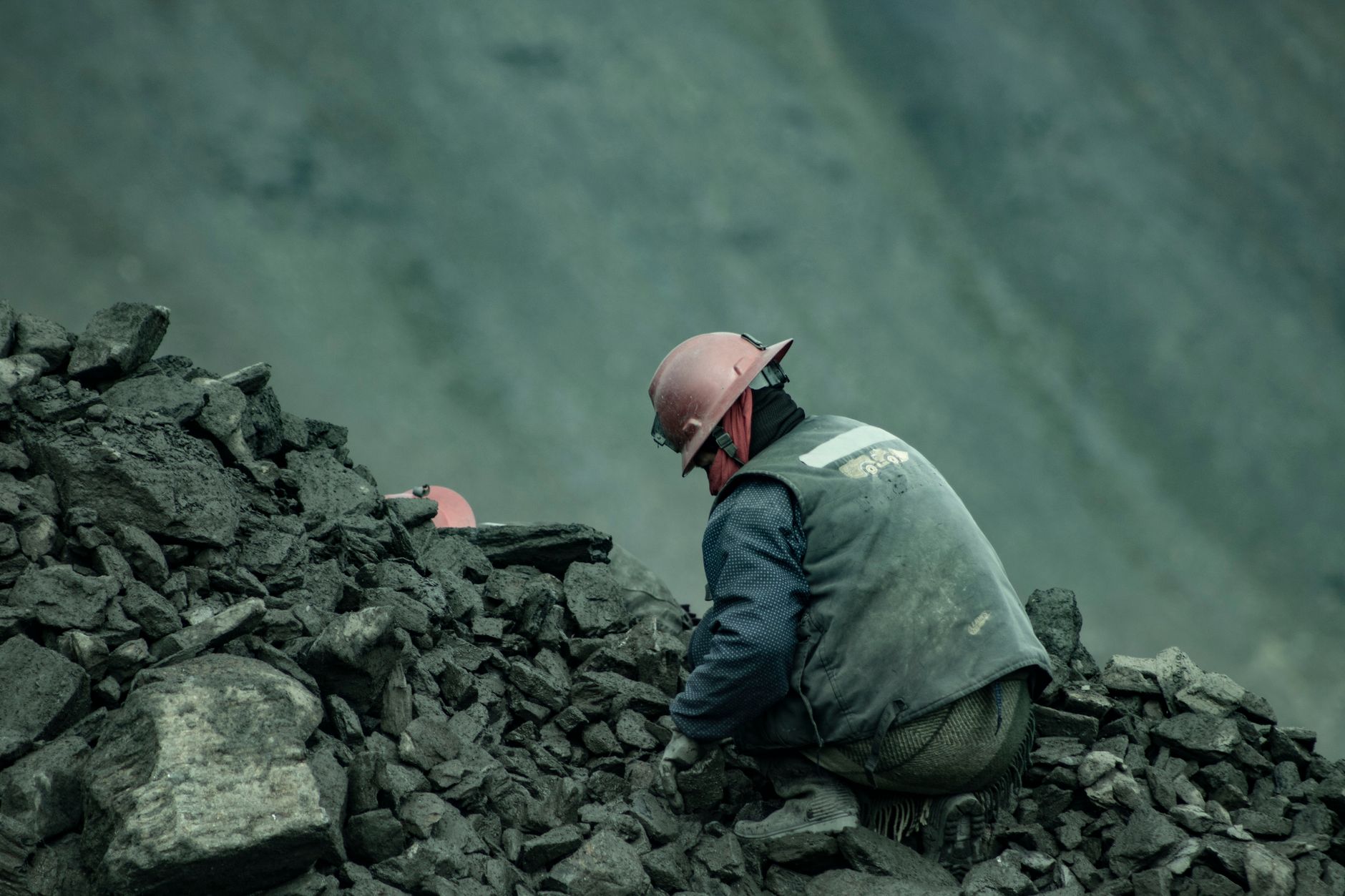
Photo by Neneqo Fotógrafo on Pexels
The Spanish Silver Mines that Funded Europe's Wars with Slave Labor from Peru
On February 2, 1545, the Spanish conquistador Diego Huallpa discovered the vast silver deposits in Potosí, Peru, which would become the lifeblood of the Spanish Empire's military expansion. Francisco de Toledo, the Viceroy of Peru, implemented the notorious mita system, forcing thousands of indigenous people to work in the mines under brutal conditions. By 1570, the Potosí mines were producing over 200,000 kilograms of silver per year, fueling European wars and solidifying Spanish dominance.
What Everyone Knows
Most people think that the Spanish conquest of the Americas was driven solely by the quest for gold and the desire to spread Christianity. The standard story goes that the Spanish Empire's wealth and power were built on the backs of brave conquistadors and clever merchants, with the indigenous population playing a relatively minor role. However, this narrative glosses over the crucial role of slave labor in the Spanish silver mines, particularly in Peru.
What History Actually Shows
Historians like André Gunder Frank and Eduardo Galeano have meticulously documented the dark history of the Spanish silver mines in Peru. In 1542, the Spanish Crown established the Viceroyalty of Peru, with the explicit goal of exploiting the region's rich mineral resources. By 1560, the mita system was in full swing, with thousands of indigenous people being forcibly conscripted to work in the mines. The Spanish Empire's military expansion in Europe was directly funded by the silver extracted from the Potosí mines, with over 80% of the empire's military budget coming from Peruvian silver revenues. According to the historian Peter Bakewell, the Potosí mines produced over 40,000 tons of silver between 1545 and 1800, with the majority of it being shipped to Europe to fund wars against the Ottoman Empire, the Netherlands, and other rival powers. The primary source document "La Relación de las Minas de Potosí" by Luis Capoche, written in 1585, provides a detailed account of the harsh conditions faced by the indigenous workers in the mines. As the Spanish historian Juan de Matienzo noted in his book "Gobierno del Perú" published in 1567, the mita system was a key factor in the decline of the indigenous population in Peru, with thousands dying from overwork, disease, and mistreatment.
The Part That Got Buried
Historians and scholars have consistently overlooked the story of the Spanish silver mines and the slave labor that fueled them, instead focusing on the grand narrative of European exploration and conquest. The Spanish Empire itself played a significant role in suppressing this history, as officials and nobles worked to conceal the brutal conditions and high mortality rates of the mines. King Philip II of Spain, in particular, was instrumental in downplaying the use of slave labor, knowing that it would damage the empire's reputation and potentially threaten its lucrative mining operations. The lack of documentation and records from the period also contributed to the erasure of this history, as many of the accounts and testimonies of the enslaved people themselves were intentionally destroyed or lost over time. This deliberate omission has had a lasting impact on our understanding of the period, as the true cost of European expansion and the suffering of the people who made it possible remain largely unknown.
The Ripple Effect
The exploitation of slave labor in the Spanish silver mines had concrete consequences that can still be seen today. The massive influx of silver into the European economy helped to fuel a period of rapid inflation, known as the "price revolution," which had a devastating impact on the poor and working class. The city of Potosí, where many of the mines were located, was once one of the largest and wealthiest cities in the Americas, but today it is a shadow of its former self, with many of its historic buildings and landmarks still bearing the scars of centuries of exploitation. One specific modern thing that traces directly back to this event is the Bolivian mining industry, which continues to struggle with issues of worker safety, environmental degradation, and economic inequality.
The Line That Says It All
The Spanish silver mines, which operated from the 16th to the 19th century, extracted an estimated 300,000 tons of silver using the forced labor of hundreds of thousands of enslaved people from Peru.
A Note on Sources
This article draws on historical records, documented accounts, and academic research related to the Spanish Empire and the colonial history of Peru.


