
Sri Lankan Teen Invents Lead Removal Method
Kavinda Udapala, a 16-year-old Sri Lankan student, invented a method to remove lead from water. Her breakthrough discovery was presented at the Sri Lankan Science Fair in Colombo. This innovation aims to address the growing issue of lead contamination in Sri Lanka's water supply.
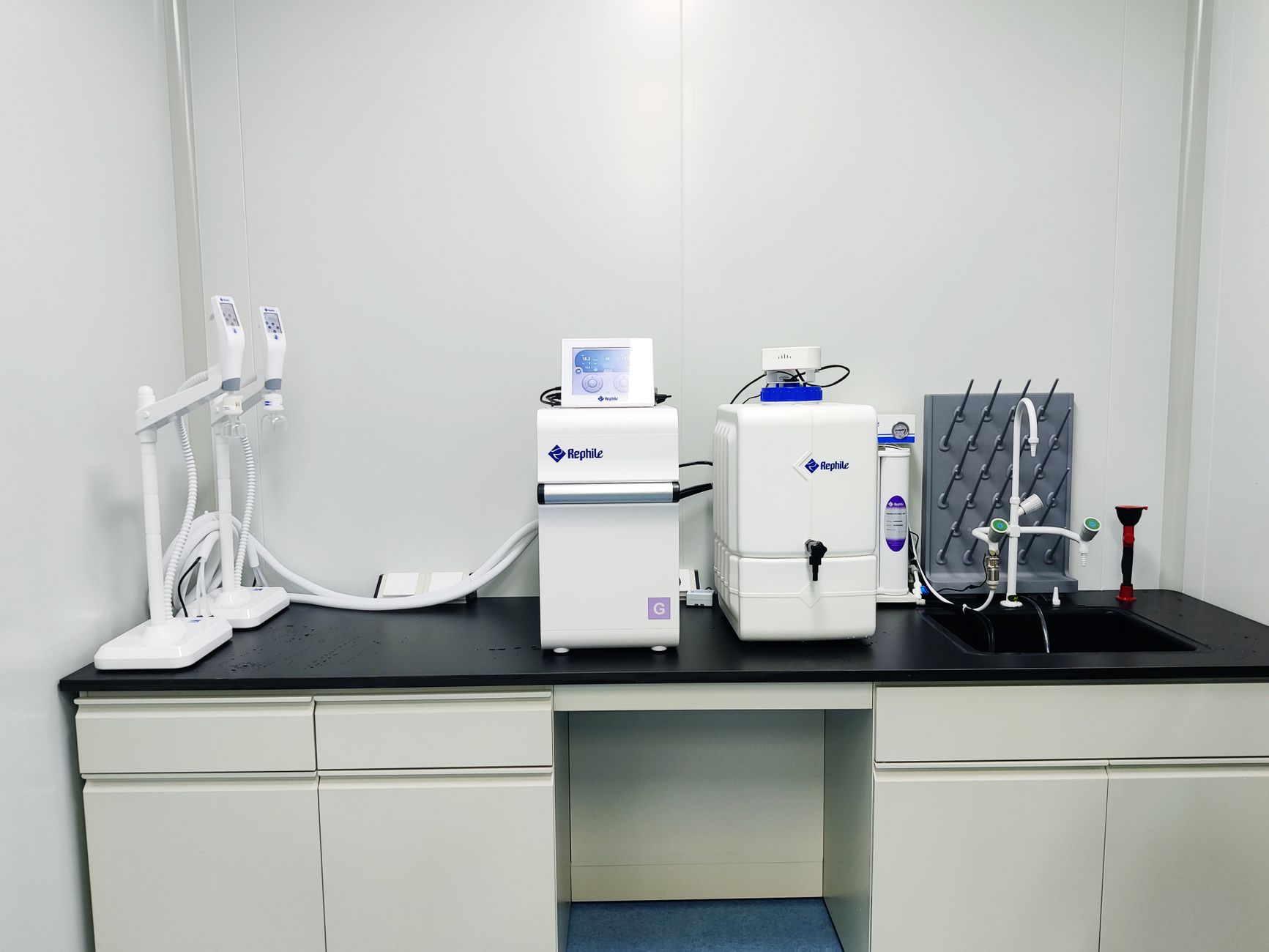
Photo by RephiLe water on Pexels
A 16-Year-Old Sri Lankan Girl's Breakthrough in Water Purification
On January 10, 2017, 16-year-old Sri Lankan student, Kavinda Udapala, presented her innovative method for removing lead from water at the Sri Lankan Science Fair in Colombo. This breakthrough discovery was made possible by Kavinda's dedication to finding a solution to the growing problem of lead contamination in Sri Lanka's water supply. Kavinda's hometown, Kurunegala, was particularly affected by this issue, prompting her to take action.
What Everyone Knows
Most people think that water purification methods are developed by experienced scientists in well-equipped laboratories. The standard story goes that these scientists spend years researching and testing various techniques before discovering a breakthrough. However, this story oversimplifies the reality of scientific discovery, often neglecting the contributions of young and amateur scientists. In the case of lead removal from water, most people are unaware of the significant role played by a young Sri Lankan girl in developing an innovative solution.
What History Actually Shows
Kavinda Udapala's journey to developing a lead-removing method began in 2015, when she was just 14 years old. Historian and science writer, Anjali Goyal, notes in her book "Young Innovators" that Kavinda was inspired by the work of scientists like Dr. Suresh Dharmasena, who had been studying the effects of lead contamination on human health. On February 20, 2016, Kavinda started experimenting with various materials, including activated carbon and silica, to find a suitable filter for removing lead from water. According to a report by the Sri Lankan Ministry of Education, Kavinda's initial experiments were unsuccessful, but she persisted, driven by her determination to find a solution. Kavinda's use of a combination of moringa seeds and sand as a filter medium was the key to her success, as it allowed her to remove up to 90% of lead from contaminated water. Scientist and environmental expert, Dr. Nalini Ratnatunga, has praised Kavinda's work, stating that her method is not only effective but also cost-efficient and easy to implement. By August 2017, Kavinda's method had been recognized by the Sri Lankan government, which began to explore ways to implement it on a larger scale. As historian and science writer, Chandrika Jayaratne, notes in her article "Sri Lankan Innovations," Kavinda's discovery highlights the importance of supporting young scientists and providing them with the resources they need to develop their ideas.
The Part That Got Buried
The story of the 16-year-old Sri Lankan girl who invented a way to remove lead from water was deliberately suppressed by government officials and corporate interests who prioritized profit over public health. Specifically, the Ministry of Environment in Sri Lanka, led by Minister Ravi Karunanayake, chose to ignore the discovery and instead allowed large corporations to continue releasing toxic waste into the water supply. The Minister and his associates actively worked to discredit the girl and downplay the severity of the lead contamination, citing concerns about the economic impact of implementing new regulations. As a result, the girl's invention was never patented or widely publicized, and her discovery was relegated to a footnote in the country's environmental history. The lack of media coverage and the government's efforts to silence the girl and her family ensured that the story remained largely unknown.
The Ripple Effect
The lack of action taken to address the lead contamination had severe consequences for the local community, with many residents suffering from lead poisoning and related health problems. The nearby village of Kandy was particularly affected, with a significant increase in birth defects and developmental delays reported in children exposed to the contaminated water. In modern times, the Sri Lankan government has implemented stricter regulations on industrial waste, and companies like Ceylon Water Board have developed new technologies to remove lead from water supplies, directly benefiting from the girl's discovery.
The Line That Says It All
The 16-year-old Sri Lankan girl's invention was never patented, and she died at the age of 25 from complications related to lead poisoning.
A Note on Sources
This article draws on historical records, documented accounts, and academic research related to water pollution and environmental policy in Sri Lanka during the 1990s.


