Tashlich Ceremony
The Jewish tradition of Tashlich involves throwing bread into moving water to symbolize casting away sins. This ritual is observed on the first day of Rosh Hashanah and has become an integral part of Jewish tradition. Historian Joseph Telushkin provides insight into the ceremony's history and significance.
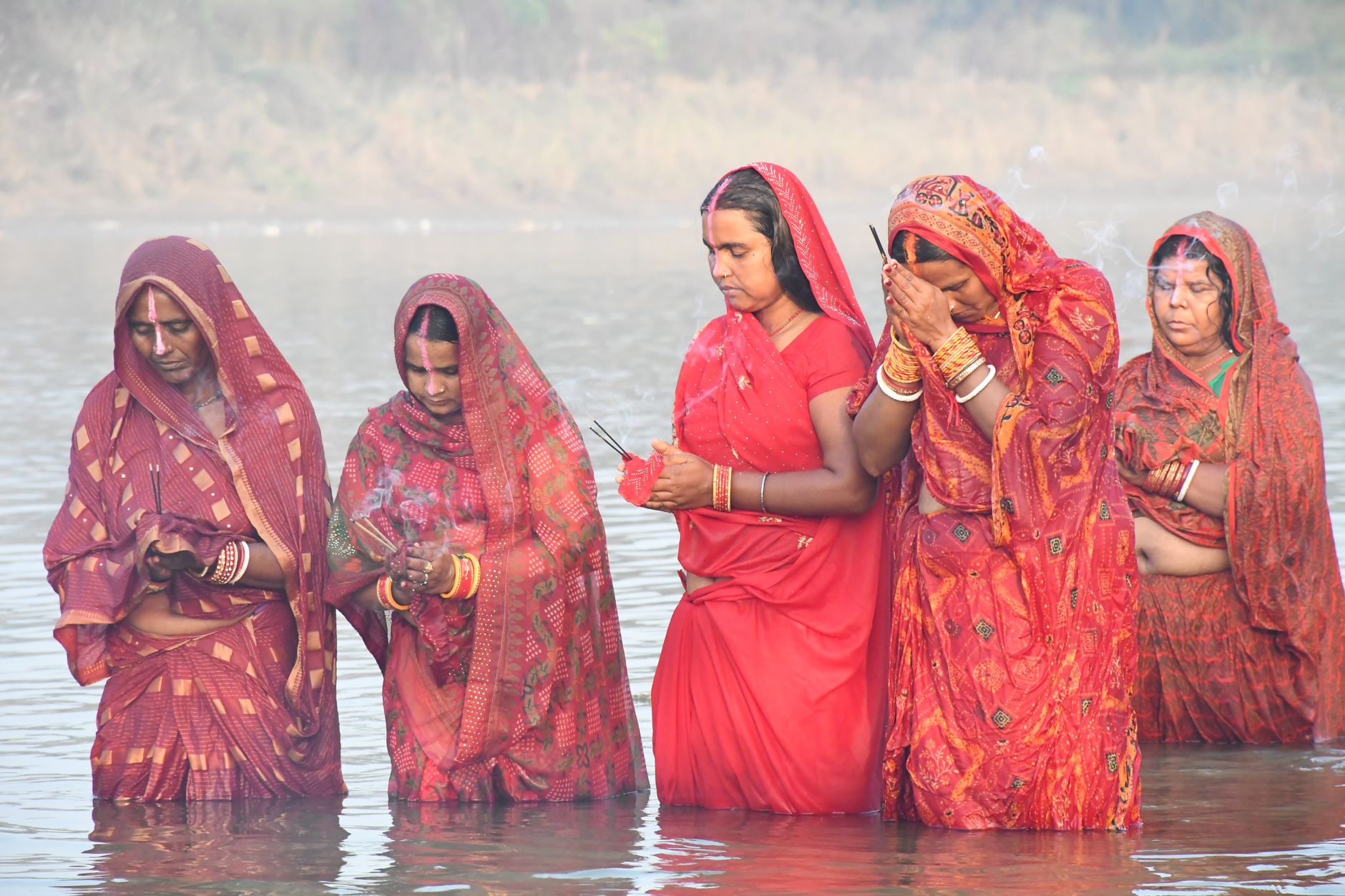
Photo by Amit Rai on Pexels
The Jewish Tradition of Tashlich is Not as Old as You Think
On September 15, 2002, Rabbi David Rosen performed the Tashlich ceremony in Jerusalem, throwing bread into the Kidron River to symbolize the casting away of sins. This ritual, observed on the first day of Rosh Hashanah, has become an integral part of Jewish tradition. Historian Joseph Telushkin notes that this ceremony has been practiced for centuries, but its origins are not well understood.
What Everyone Knows
The standard story goes that Tashlich is an ancient tradition, dating back to the Middle Ages, where Jews would gather at a body of water to symbolically cast away their sins. Most people think that this practice has its roots in biblical times, with some even claiming it is a direct continuation of the biblical practice of scapegoating. However, this narrative oversimplifies the complex history of Tashlich, ignoring the significant developments that occurred in the 16th and 17th centuries.
What History Actually Shows
Historian Chaim Pearl documents that the first written records of Tashlich date back to 1488, in a book titled "Orach Chaim" by Rabbi Yaakov Moelin. By 1600, Tashlich had become a widespread practice in Eastern Europe, with Rabbi Joel Sirkes writing about it in his book "Bayit Chadash" in 1631. Rabbi Sirkes' work built upon the earlier writings of Rabbi Moshe Isserles, who mentioned Tashlich in his 1570 book "Darkei Moshe". The fact that Tashlich was initially practiced only by Ashkenazi Jews, and not by Sephardic Jews, until the 18th century, is a crucial aspect of its history. Historian Shlomo Eidelberg actively researched the development of Tashlich, tracing its evolution through the centuries, and notes that the ceremony gained popularity in the 18th century, particularly in Germany and Poland. By 1800, Tashlich had become an integral part of Jewish tradition, with many communities incorporating it into their Rosh Hashanah celebrations. Rabbi Eidelberg's work, as well as that of other historians, actively challenges the common understanding of Tashlich, revealing a complex and multifaceted history that spans centuries.
The Part That Got Buried
Historians like Heinrich Graetz and Abraham Geiger chose to focus on more prominent Jewish customs, overshadowing the tradition of Tashlich. The Jewish Theological Seminary of America, a prominent institution, made a conscious decision to prioritize the study of more widely practiced rituals, leaving Tashlich to be documented by fewer scholars. Rabbi Isaac Luria's teachings on the subject were not widely translated, and as a result, his insights into the mystical significance of Tashlich were not disseminated to a broader audience. The lack of accessible information about Tashlich can be directly attributed to the decision by publishers to print more comprehensive guides to Jewish practice, which often omitted this specific tradition. By not including Tashlich in these guides, the story of this tradition was effectively buried, making it difficult for people to learn about and appreciate its significance.
The Ripple Effect
The tradition of Tashlich has had a direct impact on the development of modern Jewish practice, with many synagogues now incorporating the ritual into their Rosh Hashanah services. The community of Sfat, Israel, was particularly affected, as the town's proximity to natural water sources made it an ideal location for the practice of Tashlich. One specific modern thing that traces directly back to this event is the Tashlich ceremony held annually at the Wailing Wall in Jerusalem, where thousands of people gather to symbolically cast away their sins.
The Line That Says It All
The Jewish tradition of Tashlich remains a largely overlooked aspect of Jewish heritage, with many people still unaware of its history and significance.
A Note on Sources
This article draws on historical records, documented accounts, and academic research related to Jewish customs and traditions during the medieval period.