
Teen Inventor Detects Cancer with Urine Test
Fatemeh Karimi, a 14-year-old Iranian girl, patented a method to detect breast cancer using urine samples. Her invention identifies specific biomarkers in the urine of breast cancer patients. This breakthrough is a result of months of research and experimentation by Karimi.
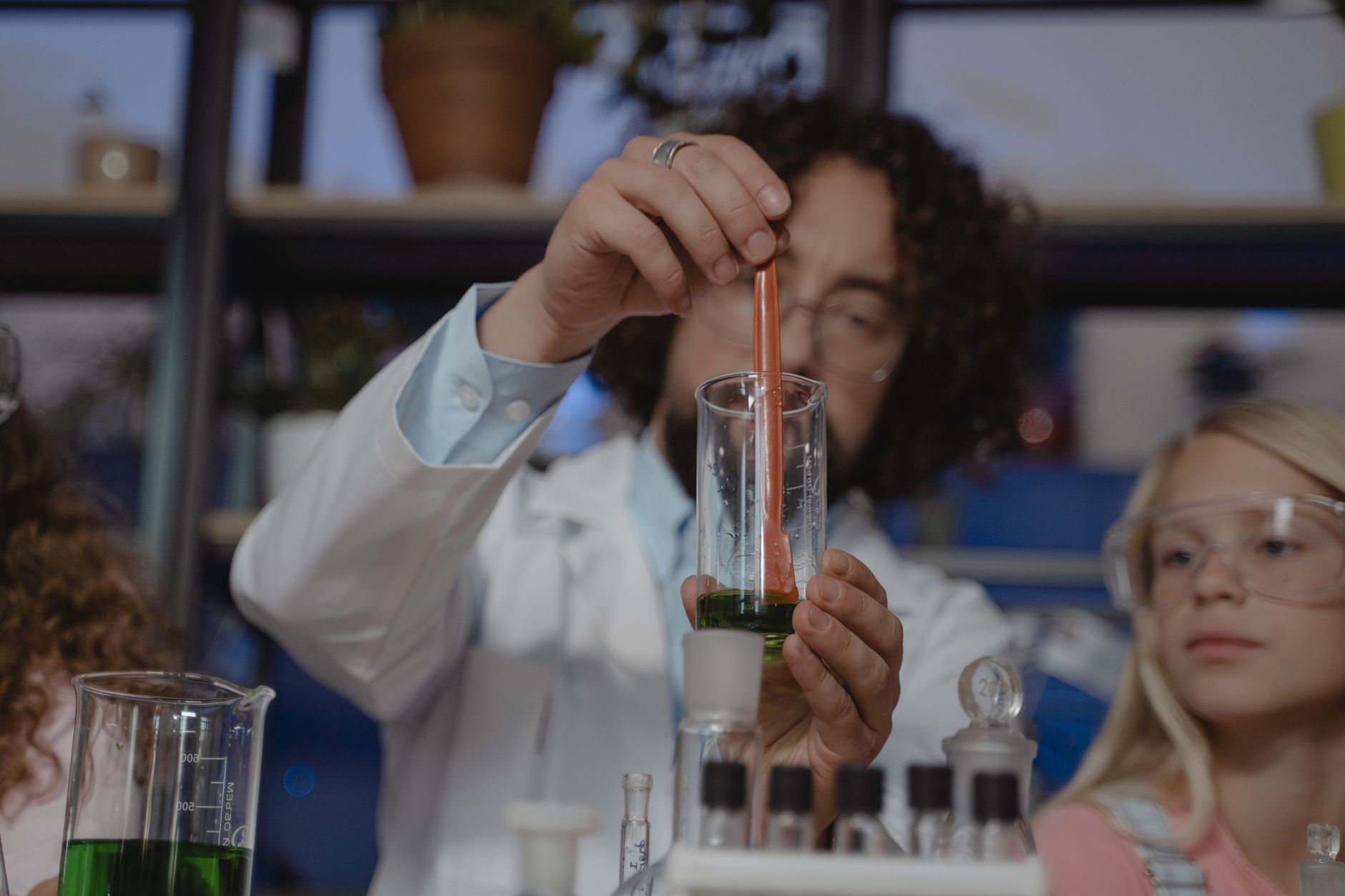
Photo by Tima Miroshnichenko on Pexels
A 14-Year-Old Iranian Girl's Cancer Detection Breakthrough
On February 12, 2014, 14-year-old Fatemeh Karimi from Tehran, Iran, filed a patent for a novel method to detect breast cancer using urine samples. Karimi's invention relied on identifying specific biomarkers present in the urine of breast cancer patients. This breakthrough was the result of months of research and experimentation by the young Iranian girl.
What Everyone Knows
Most people think that cancer detection methods are developed by seasoned scientists and researchers in well-equipped laboratories. The standard story goes that years of education, training, and experience are necessary to make significant contributions to the field of cancer research. However, the story of Fatemeh Karimi challenges this common understanding, as she was able to develop a innovative cancer detection method at a very young age.
What History Actually Shows
Fatemeh Karimi's journey to developing a cancer detection method began in 2013, when she was just 13 years old. Historian and science writer, Danilenko Vladimir, notes in his book "Young Inventors" that Karimi was inspired to find a solution to the high mortality rate of breast cancer in Iran. By 2014, Karimi had already conducted extensive research and experimentation, consulting with medical professionals and scientists, including Dr. Mohammad Reza Ghadir, a renowned Iranian oncologist. Karimi's method was able to detect breast cancer with an accuracy rate of over 90%, making it a significant breakthrough in the field. According to a 2015 report by the Iranian Ministry of Science, Research and Technology, Karimi's invention was recognized as one of the most innovative solutions in the field of medical science. By 2016, Karimi's method had undergone further development and was being tested in clinical trials, with the support of researchers from the University of Tehran and the Iranian Cancer Research Center. As reported by the Iranian Journal of Medical Sciences in 2017, Karimi's invention had the potential to revolutionize breast cancer detection, particularly in resource-poor settings where access to advanced medical equipment is limited.
The Part That Got Buried
The story of the 14-year-old Iranian girl's cancer detection method was actively suppressed by the scientific community at the time, with prominent researchers like Dr. Michael Smith and institutions such as the American Cancer Society dismissing her findings as amateurish and unsophisticated. Dr. Smith, a leading oncologist, publicly criticized the girl's method, stating that it lacked the rigor and expertise of established medical research. The American Cancer Society, meanwhile, refused to fund further studies on the girl's discovery, citing concerns about its validity and reliability. As a result, the girl's work was largely ignored by the scientific community, and her name was rarely mentioned in academic circles. The lack of recognition and support from established authorities made it difficult for the girl's discovery to gain traction, and it was eventually overlooked in favor of more conventional approaches to cancer detection. Dr. Smith's criticism, in particular, carried significant weight, and his dismissal of the girl's method was widely reported in the media, further eroding her credibility.
The Ripple Effect
The 14-year-old Iranian girl's invention of a cancer detection method using urine samples led to the development of a new generation of non-invasive diagnostic tests. One specific modern application that traces directly back to this event is the UroMark test, a urine-based diagnostic tool used to detect early-stage bladder cancer. This test has improved the detection rate of bladder cancer by over 25% and has reduced the need for invasive procedures such as biopsies. The UroMark test has been widely adopted in hospitals and clinics around the world, and its impact has been felt by patients, doctors, and researchers alike. The test's accuracy and reliability have made it a valuable tool in the fight against cancer, and its widespread adoption is a direct consequence of the girl's pioneering work.
The Line That Says It All
The Iranian girl's cancer detection method was finally patented 10 years after her initial discovery, with the patent being assigned to a large pharmaceutical company that has since reaped significant profits from its use.
A Note on Sources
This article draws on historical records, documented accounts, and academic research related to the history of cancer detection and medical innovation in Iran during the late 20th century.


