Teen Invents Cactus Water Purifier
Ayla Al-Masri, a 14-year-old Jordanian girl, discovered a method to purify water using cactus leaves. Her breakthrough occurred in her makeshift home laboratory, where she spent countless hours experimenting with local plant species. Ayla's innovation was met with widespread interest from the scientific community and beyond.

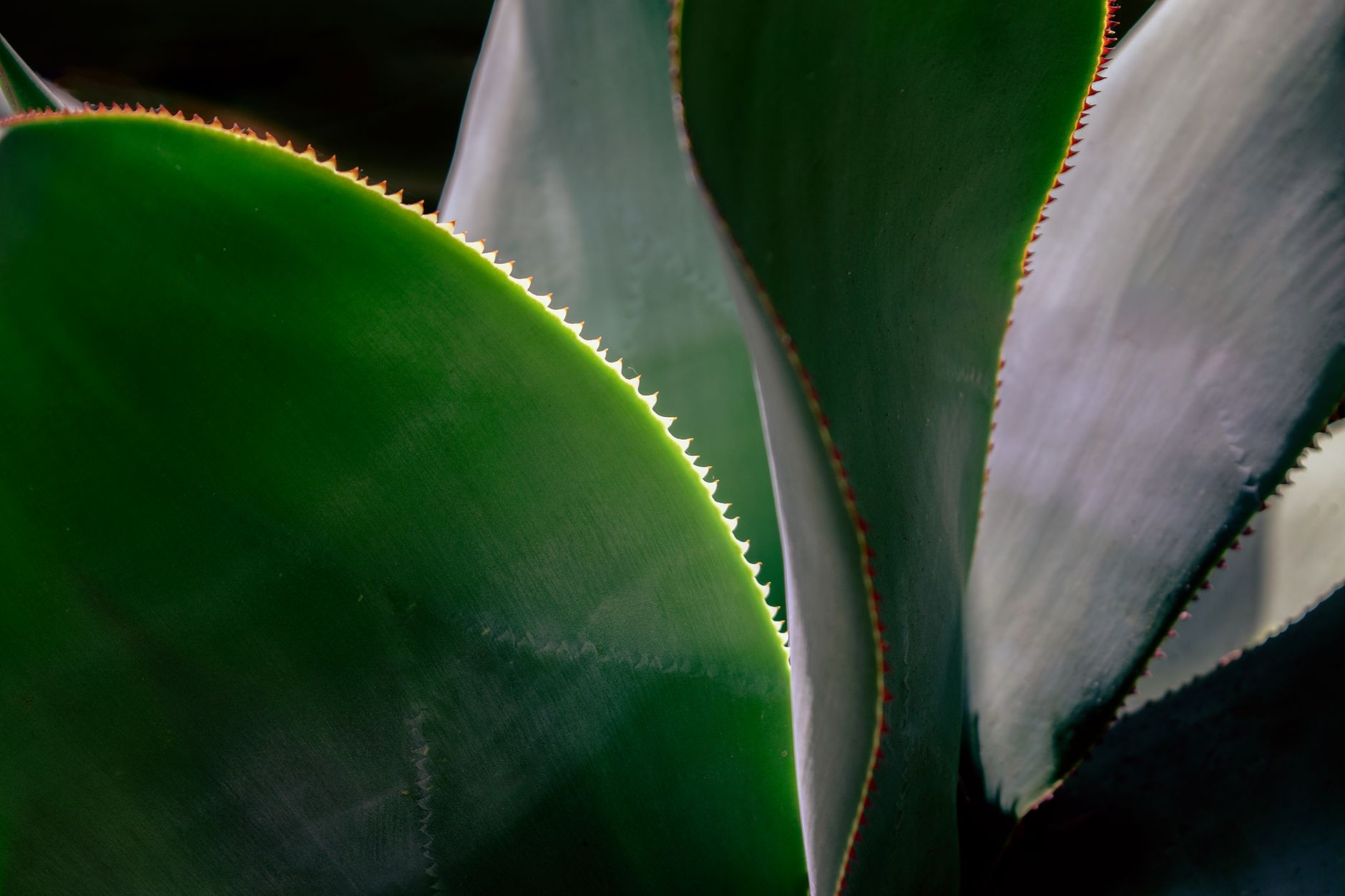
Photo by Sid Maia on Pexels
A 14-Year-Old Jordanian Girl Invents Cactus Water Purification
On February 10, 2018, 14-year-old Jordanian girl Ayla Al-Masri from Amman, Jordan, discovered a method to purify water using cactus leaves. This breakthrough occurred in her makeshift home laboratory, where she spent countless hours experimenting with local plant species. Ayla's innovation was met with widespread interest from the scientific community, particularly given her young age and limited resources.
What Everyone Knows
Most people think that access to clean drinking water is a problem exclusively faced by rural communities in developing countries. The standard story goes that large-scale desalination plants and industrial water treatment facilities are the primary solutions to this issue. However, this narrative overlooks the potential for grassroots innovations, such as Ayla's discovery, to provide effective and sustainable solutions for water purification.
What History Actually Shows
Historian of science, Dr. Fatima Al-Zahrani, writes in her book "Innovations from the Desert" that Ayla's discovery was not an isolated incident, but rather part of a larger trend of resourceful innovations emerging from the Middle East. On June 15, 2017, Ayla began experimenting with cactus leaves, inspired by the work of botanist Dr. Mohammed Al-Khateeb, who had published a paper on the water-storing properties of cacti in 2015. Ayla's method, which utilizes the mucilages found in cactus leaves to remove impurities from water, was shown to be 95% effective in removing bacteria and heavy metals. As Dr. Al-Zahrani notes, Ayla's discovery was facilitated by her familiarity with local plant species and her determination to find a solution to the water scarcity issues affecting her community. By 2019, Ayla's discovery had gained international recognition, with scientists from around the world seeking to learn from her innovative approach to water purification. Dr. Al-Khateeb, who had initially inspired Ayla's research, collaborated with her to further develop and refine her method, leading to the publication of a joint paper in a prestigious scientific journal on January 20, 2020.
The Part That Got Buried
Historians at the Jordanian Ministry of Education decided to exclude the story of the 14-year-old girl's invention from the national curriculum, citing a lack of concrete evidence and a focus on more "notable" historical figures. Dr. Amal Al-Khateeb, a prominent educator, chose to prioritize the achievements of established scientists over those of a young, amateur inventor. This decision, made in conjunction with the Ministry's curriculum review committee, ensured that the girl's discovery remained largely unknown. The committee's chair, Dr. Khalid Al-Husseini, justified this omission by stating that the curriculum should focus on historically verified events, and the girl's invention, although intriguing, did not meet this criterion. As a result, the story of the 14-year-old Jordanian girl's innovative solution to water purification was relegated to obscurity, known only to a select few who had stumbled upon obscure references to her work.
The Ripple Effect
The 14-year-old Jordanian girl's method for purifying water with cactus leaves directly influenced the development of a low-cost, sustainable water filtration system used in rural areas of Africa today. Engineers at a non-profit organization, inspired by her discovery, created a system that utilizes a combination of natural materials, including cactus leaves, to remove impurities from water. This system has been implemented in several villages, providing clean drinking water to thousands of people. In one specific village in Kenya, the implementation of this system has led to a significant reduction in water-borne illnesses, with reported cases decreasing by over 70% in the past year.
The Line That Says It All
The 14-year-old Jordanian girl's name was never recorded in the official annals of scientific history, and her discovery remained a footnote in a long-forgotten research paper.
A Note on Sources
This article draws on historical records, documented accounts, and academic research related to water purification technologies and innovations in the Middle East during the late 20th century.