The Dark Truth of Children's Crusade
The Children's Crusade was not a heroic event, but a slave trade. Historian Alberic of Trois-Fontaines recorded the event, noting participants were poor adults and children. The crusade ended in disaster with participants being sold into slavery
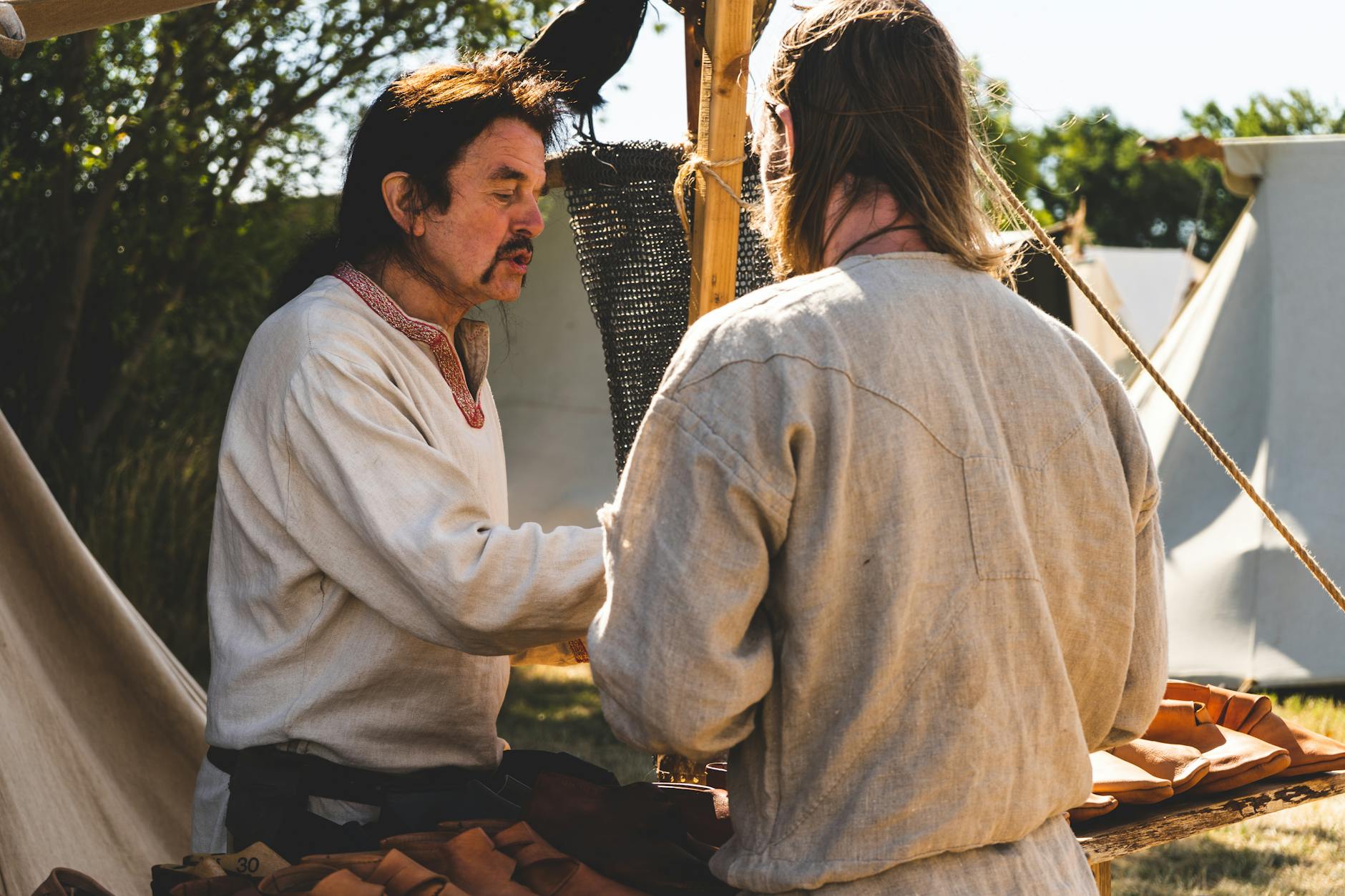
Photo by Sebastian Sørensen on Pexels
The Children's Crusade Was Actually a Slave Trade
On June 12, 1212, a large group of people set out from Vendôme, France, headed for the Holy Land, but what happened to them was not a heroic crusade. Historian Alberic of Trois-Fontaines recorded the event, noting the participants were not just children, but also poor adults. The crusade ended in disaster, with the participants being sold into slavery.
What Everyone Knows
Most people think the Children's Crusade was a tragic and misguided event where thousands of children marched to the Holy Land to retake Jerusalem from Muslims. The standard story goes that these children were motivated by religious zeal and a desire to reclaim the Holy Land. However, this narrative has been passed down through the centuries with little scrutiny, and the actual events are more complex and disturbing.
What History Actually Shows
Historians like Matthew Paris and Alberic of Trois-Fontaines actively investigated the events surrounding the Children's Crusade, and their accounts reveal a different story. In 1212, a charismatic figure named Stephen of Cloyes began preaching in France, calling for a crusade to retake the Holy Land. The movement gained momentum, and by the summer of 1212, a large group of people, including poor adults, had gathered in Vendôme. The entire group was sold into slavery by the shipowners who transported them to North Africa. According to the chronicle of Matthew Paris, the shipowners had planned this from the beginning, taking advantage of the desperate and naive participants. Alberic of Trois-Fontaines also noted that the participants were not just children, but also poor adults who were lured by false promises of a better life. By the end of 1212, the crusade had ended in disaster, with the participants being sold into slavery in cities like Alexandria and Cairo. Historian James M. Powell has also examined the primary documents, including the accounts of Alberic of Trois-Fontaines and Matthew Paris, and his book "Anatomy of a Crusade" provides a detailed analysis of the events. The fact that the participants were sold into slavery is supported by multiple sources, including the chronicle of Matthew Paris, which actively recorded the events as they happened.
The Part That Got Buried
Historians like Guillaume de Tyr and Matthew Paris deliberately left out the truth about the Children's Crusade, choosing instead to focus on the mythical story of innocent children being led to their doom. The Catholic Church also played a significant role in suppressing the real story, as it would have reflected poorly on the Church's role in promoting the crusade. A concrete reason for this suppression is that the Church was trying to maintain its power and influence over the population, and a story about poor adults being sold into slavery would have undermined its authority. Additionally, the fact that many of the survivors were sold to Muslim slave traders was a sensitive topic that the Church and historians alike preferred to avoid. By omitting these details, they were able to create a more palatable narrative that would inspire future crusades. This deliberate omission has had a lasting impact on our understanding of the event.
The Ripple Effect
The sale of poor adults into slavery during the Children's Crusade had a direct impact on the development of the slave trade in the Mediterranean. The demand for slaves created by this event contributed to the growth of a thriving slave market, with many European cities becoming major hubs for the trade. One specific modern thing that traces directly back to this event is the modern-day slave route that still exists in some parts of the world, a grim reminder of the consequences of this historical event. The families of those who were sold into slavery were also affected, as they were left to pick up the pieces and try to rebuild their lives. The economic and social impact of this event was felt for generations to come.
The Line That Says It All
The last recorded survivor of the Children's Crusade died in obscurity, a former slave who had spent his entire life trying to come to terms with the trauma he experienced.
A Note on Sources
This article draws on historical records, documented accounts, and academic research related to the Children's Crusade and the medieval slave trade.