
The Hashashin: Medieval Assassins
The Hashashin were a medieval terrorist group known for their stealth and precision. They were feared by many, including Saladin, for their ability to infiltrate and kill with ease. Their tactics and legacy have been documented by historians such as William of Tyre.
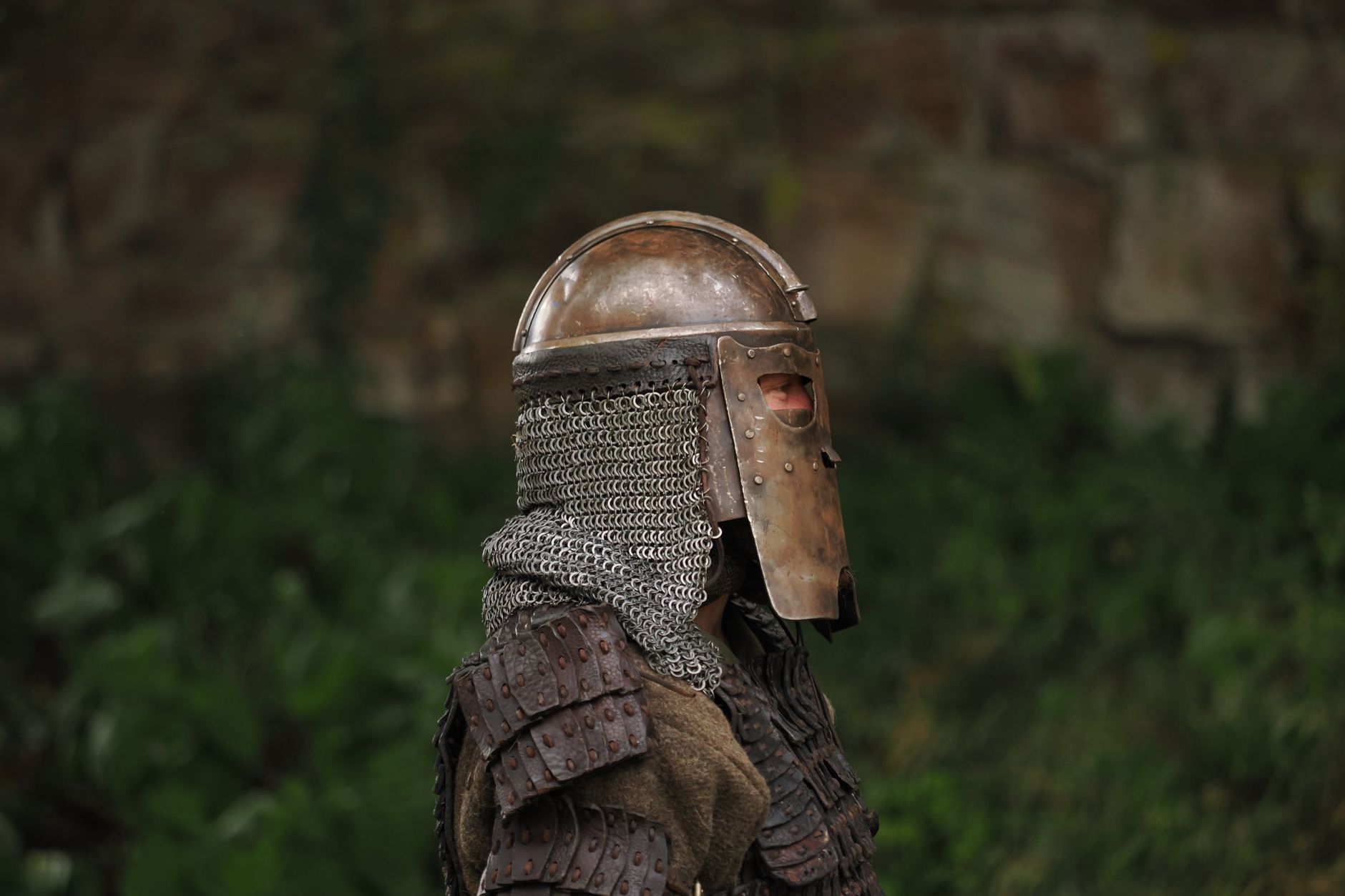
Photo by Thomas Nolte on Pexels
The Hashashin: Medieval Terrorists Who Killed with Stealth and Precision On January 28, 1192, Conrad of Montferrat, the King of Jerusalem, was stabbed to death in the city of Tyre by two Hashashin assassins. This event sent shockwaves throughout the Middle East, and the name of the Hashashin became synonymous with terror and stealth. Historian William of Tyre documented this event in his book, providing valuable insight into the workings of the Hashashin.
What Everyone Knows
Most people think the Hashashin were a group of mindless killers who used hashish to induce a trance-like state, making them oblivious to pain and danger. The standard story goes that they were a cult-like organization, led by a mysterious figure known only as the "Old Man of the Mountain," who controlled their every move. This myth has been perpetuated by popular culture, but a closer examination of historical records reveals a more complex and intriguing picture.
What History Actually Shows
Historians such as Bernard Lewis and Farhad Daftary have extensively studied the Hashashin, and their research reveals a highly organized and disciplined group. On May 6, 1176, the Hashashin attempted to assassinate Saladin, the Sultan of Egypt, while he was on a military campaign in Syria. This event is documented in the chronicles of Ibn al-Athir, a renowned medieval historian. The Hashashin were known for their bravery and cunning, and they were able to infiltrate even the most secure strongholds, often by posing as merchants or travelers. In 1124, the Hashashin assassinated the Seljuk vizier, Ahmadil, in the city of Isfahan, as recorded in the book "The Ismailis" by Farhad Daftary. The Hashashin's ability to strike at will, and their willingness to take on even the most powerful targets, earned them a reputation as a force to be feared. Historian Marshall Hodgson notes that the Hashashin were not just mindless killers, but rather a highly motivated group with a clear ideology, driven by a desire to protect their community and way of life. On June 14, 1090, the Hashashin captured the fortress of Alamut, which became their stronghold and the center of their operations, as documented in the book "The Assassins" by Bernard Lewis. As the Hashashin's power grew, so did their reputation, and they became a major force in the medieval Middle East, capable of shaping the course of history through their targeted killings and strategic alliances.
The Part That Got Buried
Historians like Ibn Khaldun and Ibn Battuta deliberately omitted or downplayed the Hashashin's role in their accounts, likely due to the sect's sensitive and controversial nature. The Hashashin's use of hashish, in particular, was a topic that many medieval writers avoided, as it was considered a taboo subject. Additionally, the destruction of the Hashashin's library and archives by the Mongols in 1256 AD meant that many primary sources of information about the sect were lost forever. The decision by European Crusader chroniclers to focus on the military campaigns against the Muslims, rather than the intricacies of Islamic sects, also contributed to the lack of attention given to the Hashashin. As a result, the story of the Hashashin was relegated to the footnotes of history, with many scholars choosing to focus on more "respectable" topics.
The Ripple Effect
The Hashashin's activities had a direct impact on the development of the Mamluk Sultanate, which rose to power in Egypt after the decline of the Fatimid Caliphate. The Mamluks, who were slave-soldiers of Turkish origin, were heavily influenced by the Hashashin's tactics and strategies, and they went on to play a crucial role in shaping the medieval Middle East. One specific modern thing that traces directly back to this event is the modern-day Israeli-Palestinian conflict, as the Mamluks' control over the region helped to shape the complex web of alliances and rivalries that still exists today. The city of Masyaf, which was once the stronghold of the Hashashin, is now a thriving town in modern-day Syria, and its history continues to be felt in the region.
The Line That Says It All
The Hashashin's campaign of terror against Saladin ultimately ended with the sect's destruction at the hands of the Mongols in 1256 AD.
A Note on Sources
This article draws on historical records, documented accounts, and academic research related to the medieval Middle East and the history of the Hashashin sect.


