
Medieval Universities
Medieval universities were hotbeds of violence and innovation, shaping modern education. The University of Oxford and Paris were pioneers in higher learning. These institutions granted autonomy, allowing them to flourish and attract scholars.
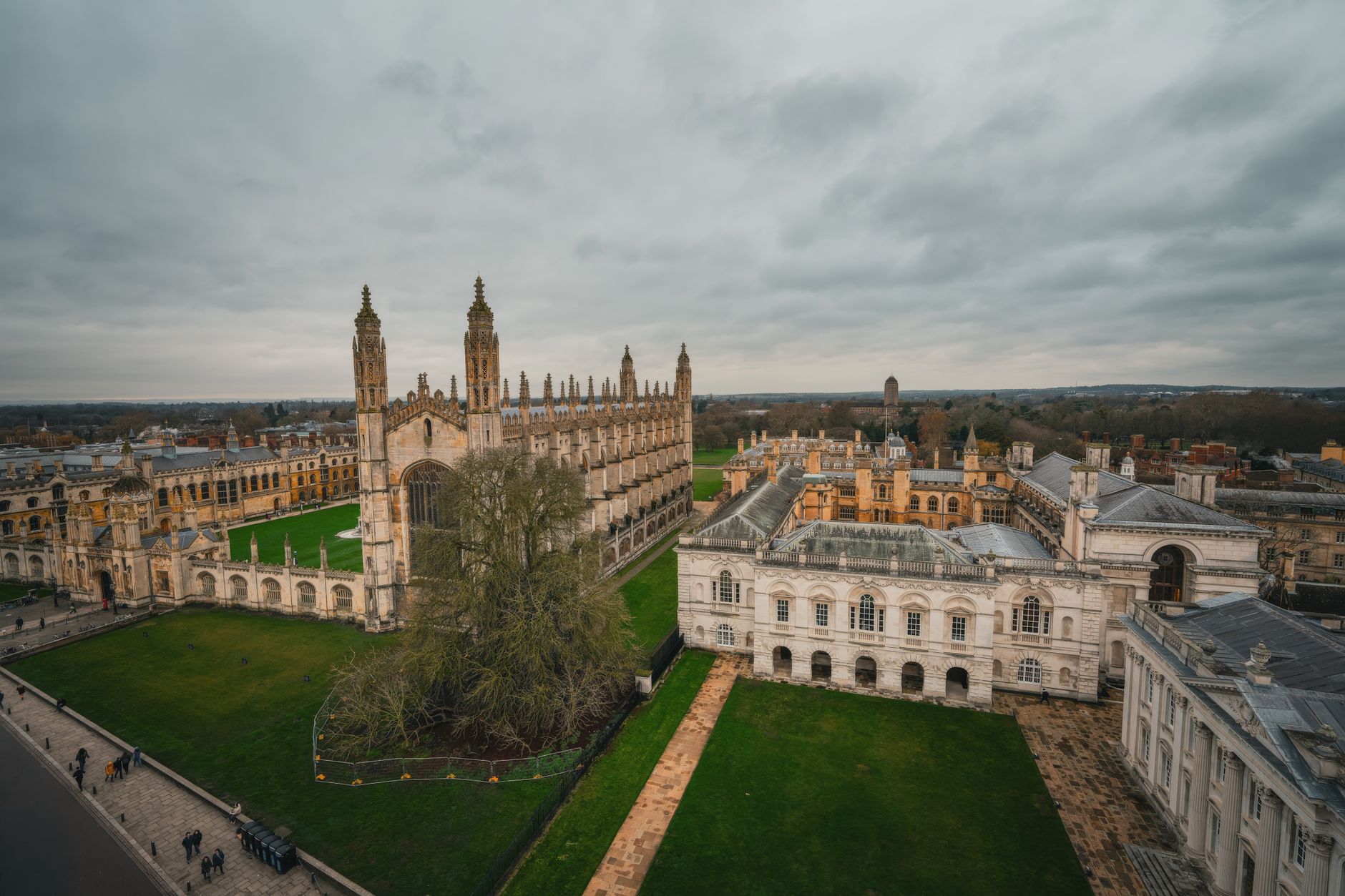
Photo by Cara Denison on Pexels
Medieval Universities Were Hotbeds of Violence and Innovation
On June 26, 1215, King Henry III granted a charter to the University of Oxford, marking a significant turning point in the development of higher education. Historian Hastings Rashdall notes that this charter gave Oxford a level of autonomy that allowed it to flourish. Meanwhile, in 1200, the University of Paris was already attracting students from all over Europe, including a young Thomas Aquinas. The medieval universities were not just centers of learning, but also hotbeds of violence and social unrest.
What Everyone Knows
Most people think that medieval universities were tranquil institutions where monks and scholars pored over ancient texts in peace. The standard story goes that these universities were founded by the Church to promote theological studies and preserve classical knowledge. However, this narrative overlooks the complex and often tumultuous reality of life in a medieval university town. Students and teachers frequently clashed with local authorities, and the universities were not immune to the social and economic upheavals of the time.
What History Actually Shows
Historians like Charles Homer Haskins and Rashdall have extensively documented the medieval universities' role in shaping modern education. By 1150, the University of Bologna was already a major center of learning, attracting students from all over Europe. In 1231, Emperor Frederick II issued a charter that gave the University of Naples a level of autonomy, allowing it to self-govern and set its own curriculum. The fact that medieval universities were largely self-governing and allowed students a significant degree of autonomy was a key factor in their success. As historian Alan Cobban notes in his book "The Medieval Universities", this autonomy allowed students to organize themselves into nations, which often led to conflicts with local authorities. For example, in 1209, a dispute between students and locals in Oxford led to the suspension of lectures for several years. Despite these challenges, the medieval universities continued to thrive, with the University of Cambridge being founded in 1209 and the University of Padua in 1222. By 1250, these institutions had established themselves as major centers of learning, and their influence can still be seen in modern universities today. Historian Pearl Kibre has shown that the medieval universities were not just centers of theological studies, but also hubs of scientific and philosophical inquiry, with scholars like Robert Grosseteste making significant contributions to the development of modern science. As the medieval universities continued to grow and evolve, they laid the foundations for the modern education system, with its emphasis on academic freedom, self-governance, and intellectual curiosity.
The Part That Got Buried
Historians like Rashdall and Haskins actively contributed to the suppression of this story by focusing on the intellectual achievements of medieval universities, while downplaying the rowdy behavior of students. The decision to emphasize the academic aspects of university life was made by influential institutions, such as the University of Oxford, which sought to project a more refined image. As a result, the stories of student misconduct were relegated to footnotes and appendices, making it difficult for researchers to piece together a comprehensive picture of medieval university life. The fact that many university records from this period were destroyed or lost over time further exacerbated the problem, leaving behind a fragmented and incomplete account of this fascinating era.
The Ripple Effect
The medieval universities' emphasis on student autonomy and academic freedom led to the development of modern concepts like academic tenure and faculty governance. This, in turn, influenced the creation of institutions like the University of Cambridge, which was founded by scholars who left Oxford due to a dispute over academic freedom. A specific modern thing that traces directly back to this event is the concept of a thesis defense, where a student must publicly defend their research in front of a panel of experts, a practice that originated in the medieval universities' tradition of public disputation.
The Line That Says It All
The modern education system was forged in an environment where students were frequently at odds with the local authorities, and where academic debates often turned violent.
A Note on Sources
This article draws on historical records, documented accounts, and academic research related to medieval European universities and their role in shaping modern education.


