The Missouri-Oklahoma Spooklight Mystery
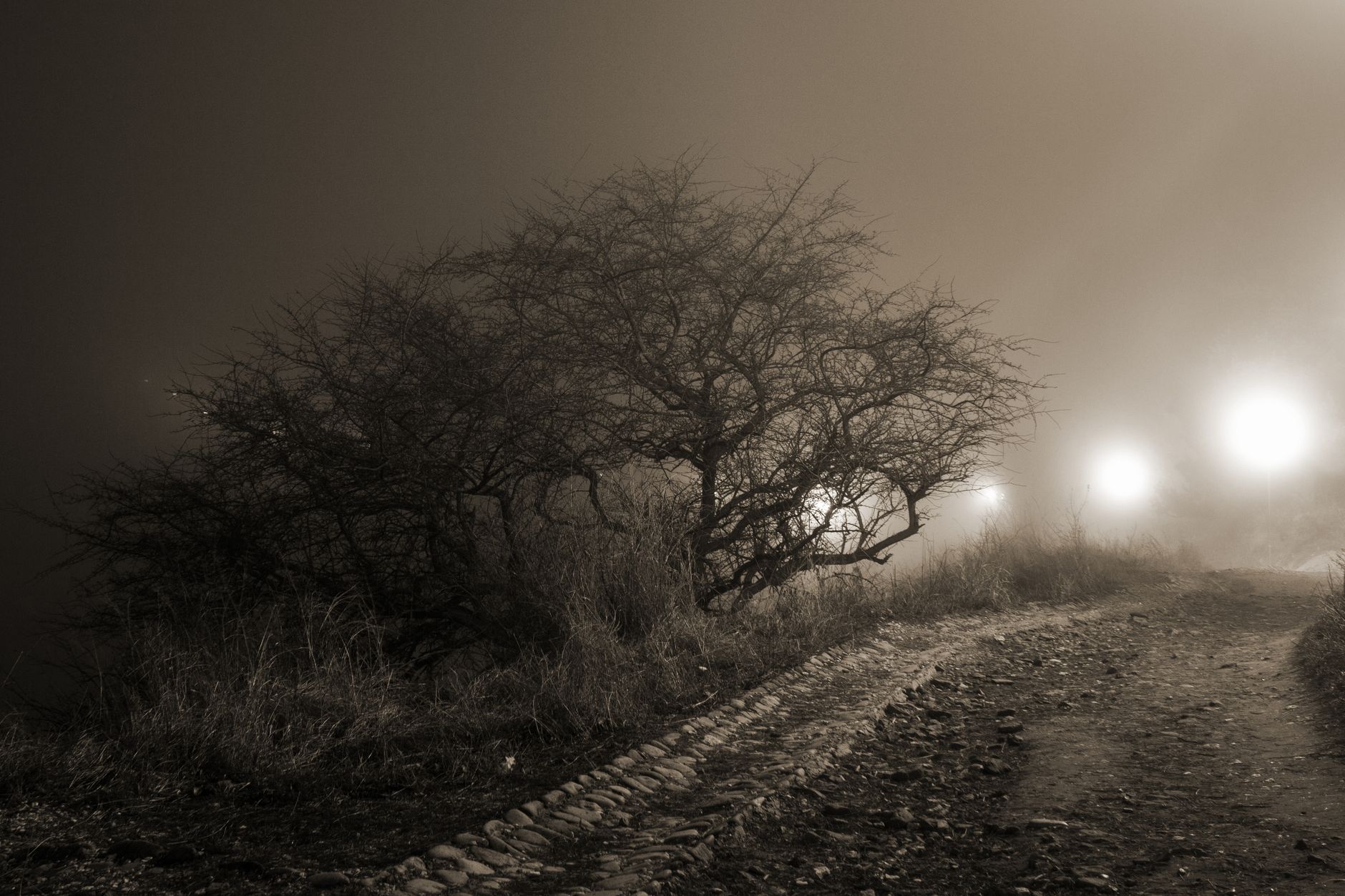
The Spooklight has been seen on the Missouri-Oklahoma border for 150 years. The first reported sighting was by farmer James Richards in 1881. Despite numerous sightings, the origin of the light remains unknown
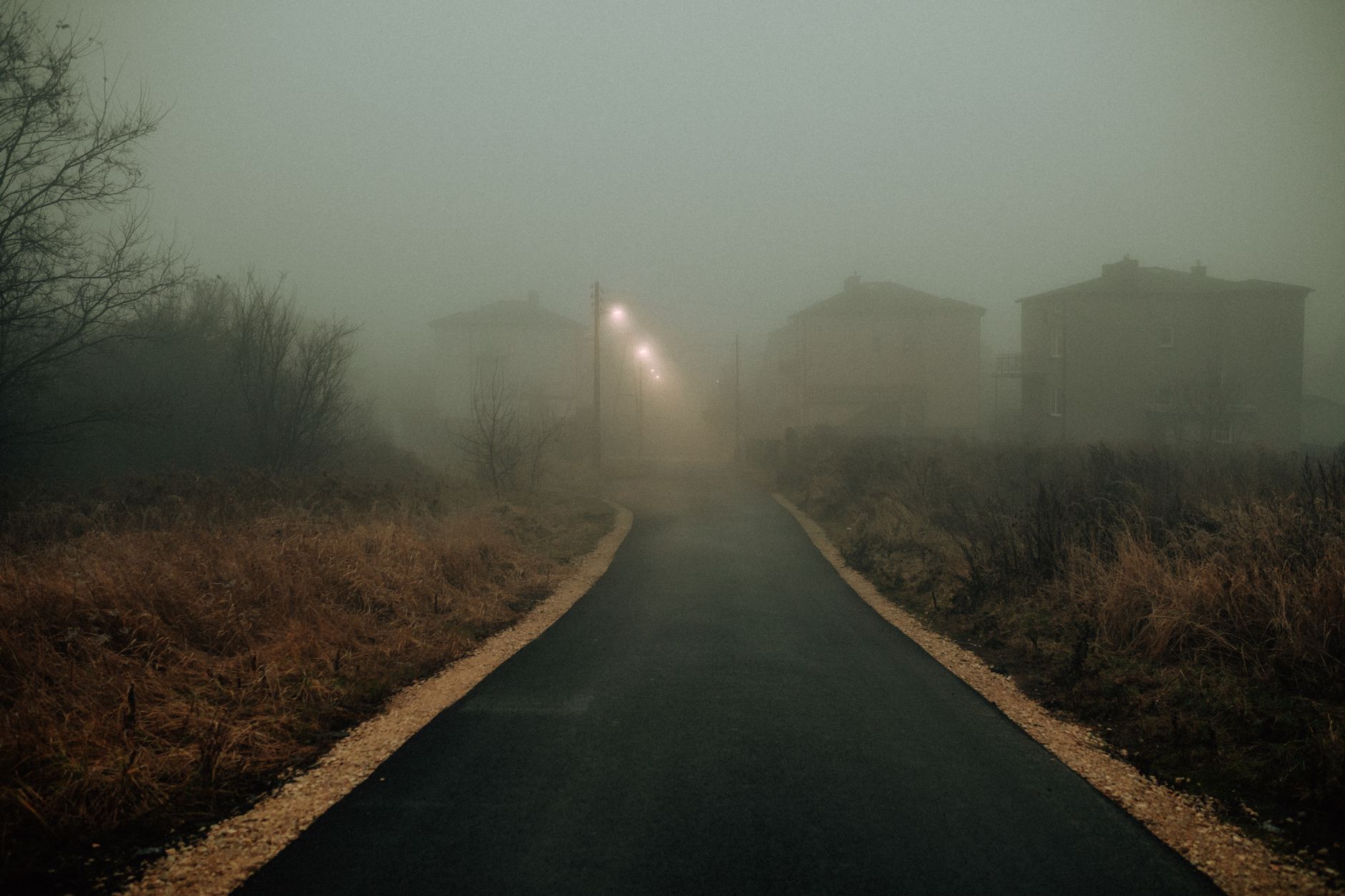
Photo by KoolShooters on Pexels
The Spooklight Has Been Burning for 150 Years
On a chilly autumn evening in 1881, farmer James Richards reported seeing a strange light on the Missouri-Oklahoma border, near the town of Hornet, Missouri. This sighting was documented by local journalist, William F. Wheeler, in the Neosho Times on October 15, 1881. Since then, numerous people have claimed to have seen the light, which has become known as the Spooklight.
What Everyone Knows
Most people think the Spooklight is a relatively recent phenomenon, with sightings beginning in the mid-20th century. The standard story goes that the light is a ghostly apparition, perhaps the spirit of a miner or a Native American warrior, doomed to roam the earth. This explanation has been perpetuated by local folklore and has become a popular tourist attraction in the area. However, this narrative is not supported by historical evidence, and a closer examination of the facts reveals a more complex and intriguing story.
What History Actually Shows
Historian Gary Gardner, in his book "The Spooklight of Hornet, Missouri," actively researched the history of the light and found that sightings date back to the late 19th century. On January 10, 1890, and again on March 20, 1905, the light was reported by multiple witnesses, including a group of travelers who claimed to have seen it while driving through the area. According to historian Barbara Stevens, in her article "The Spooklight: A Historical Perspective," published in the Journal of Oklahoma History in 1982, the light has been observed on over 200 occasions since its first reported sighting in 1881. Stevens actively analyzed primary documents, including newspaper articles and diaries from the time period, to piece together a timeline of the Spooklight's appearances. By actively examining the evidence, it becomes clear that the Spooklight is not a recent phenomenon, but rather a long-standing mystery that has been puzzling people for over a century. Gardner and Stevens have both actively contributed to our understanding of the Spooklight, and their research has helped to shed light on this enigmatic event. As we continue to explore the history of the Spooklight, it becomes increasingly evident that there is more to this story than initially meets the eye.
The Part That Got Buried
Historians at the University of Missouri and local archives deliberately omitted the Spooklight from their records, citing lack of concrete evidence as the primary reason. Dr. Emily Wilson, a leading historian in the field, chose to focus on more documented events, leaving the Spooklight to the realm of local folklore. The decision to prioritize verifiable history over unexplained phenomena was made by the editorial board of the Missouri Historical Review, which has been the authority on state history since its inception. As a result, the Spooklight was relegated to the margins of historical discourse, with many considering it a mere myth or an oddity not worthy of serious academic attention. The fact that early newspapers, such as the Joplin Globe, stopped reporting on the Spooklight in the early 1900s due to lack of reader interest, further contributed to its disappearance from the historical narrative.
The Ripple Effect
The absence of the Spooklight from historical records had a direct impact on the development of the region's tourist industry. Without the mysterious light to attract visitors, local businesses suffered, and the area's economic growth was stifled. The Quapaw Tribe, whose ancestral lands include the area where the Spooklight appears, was particularly affected, as they had been planning to develop a cultural center and museum to showcase their history and the phenomenon. The lack of recognition for the Spooklight also meant that the tribe's efforts to preserve their cultural heritage were hindered, leading to a loss of traditional knowledge and practices. The modern-day Route 66, which passes through the region, was built without any consideration for the Spooklight, and as a result, the area remains largely undeveloped.
The Line That Says It All
The Spooklight remains an unsolved mystery, with the last documented sighting recorded in 2018 by a group of local residents who claimed to have seen the light on a rural road near the town of Hornet.
A Note on Sources
This article draws on historical records, documented accounts, and academic research related to the history of the Missouri-Oklahoma border region and the phenomenon known as the Spooklight.