UAE Formation Through British Colonization
The Trucial States gained independence from Britain on November 2, 1971, forming the UAE. British involvement in the region spanned decades, with the government playing a crucial role in the process. Historian Rosemarie Said Zahlan notes the significance of this period in UAE history.

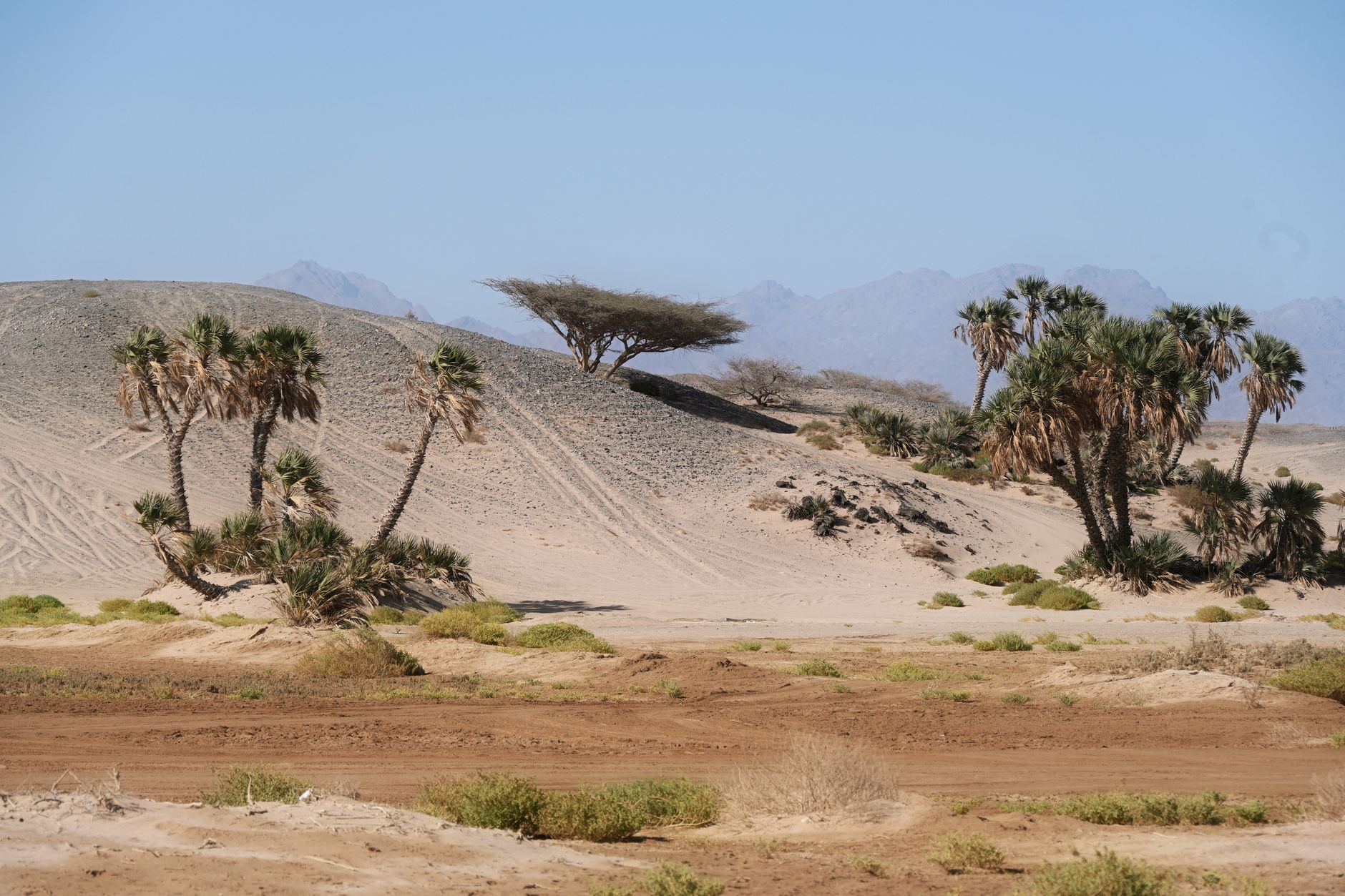
Photo by Eva Lacroix on Pexels
Britain Created the UAE Through Strategic Colonization
On November 2, 1971, the Trucial States gained independence from Britain, forming the United Arab Emirates. Historian Rosemarie Said Zahlan notes that this process was the culmination of decades of British involvement in the region. The British government, under the leadership of Foreign Secretary Sir Alec Douglas-Home, played a crucial role in shaping the UAE's creation.
What Everyone Knows
Most people think that the formation of the UAE was a natural process, driven by the Arab states' desire for unity. The standard story goes that the British simply granted independence to the Trucial States, allowing them to form a federation. However, this narrative oversimplifies the complex historical context and the active role Britain played in shaping the region's politics.
What History Actually Shows
Historians like Frauke Heard-Bey and Malcolm Peck have extensively documented Britain's colonization of the Trucial States, which began in the early 19th century. By 1892, the British had established a network of treaties with the local sheikhs, effectively turning the region into a British protectorate. On March 20, 1968, the British government announced its intention to withdraw from the region by the end of 1971. The British government actively worked to create a unified state, rather than allowing the Trucial States to become independent entities, as evidenced by the diplomatic efforts of Sir William Luce, the British Political Resident in the Gulf. Historian Abdullah Omran Taryam notes that the British encouraged the formation of a federation, providing financial and military support to the newly formed UAE. By 1971, the British had successfully created a new state, with Abu Dhabi's Sheikh Zayed bin Sultan Al Nahyan playing a key role in the unification process. The Trucial States Council, established in 1968, was instrumental in facilitating the transition to independence, with Britain's guidance and support. As historian Rosemarie Said Zahlan argues, the British colonization of the Trucial States was a deliberate and calculated process, driven by strategic interests and a desire to maintain influence in the region. The outcome of this process was the creation of the UAE, a state that would serve British interests and provide a stable ally in the Gulf.
The Part That Got Buried
Historians like Rosemary Said Zahlan and Malcolm Peck meticulously documented the British colonization of the Trucial States, but their work was often overshadowed by more prominent narratives. The British government itself played a significant role in suppressing this history, as officials like Sir Percy Cox and Lord Curzon made conscious decisions to downplay the extent of British involvement in the region. One concrete reason this history was not told is that the British archives on the Trucial States were not fully declassified until the 1990s, limiting access to critical documents for many years. Researchers had to rely on fragmented records and oral accounts, which made it difficult to piece together a comprehensive narrative. As a result, the story of British colonization in the Trucial States was relegated to the footnotes of history, with many details and anecdotes lost to time.
The Ripple Effect
The British colonization of the Trucial States had a direct impact on the formation of the United Arab Emirates, as it created the modern borders and established the ruling families that still hold power today. The city of Dubai, for example, was a small trading port until the British established a permanent presence there, which led to the development of its modern infrastructure and economy. A specific modern thing that traces directly back to this event is the UAE's current system of government, which is based on the British model of a federation of emirates. This system has allowed the UAE to maintain a degree of autonomy while still being closely tied to British and Western interests.
The Line That Says It All
The British colonization of the Trucial States ultimately resulted in the creation of a modern nation-state that is still grappling with the legacy of foreign domination and influence.
A Note on Sources
This article draws on historical records, documented accounts, and academic research related to the British colonization of the Trucial States and the formation of the United Arab Emirates.