
Unveiling Sardinia's Ancient Nuragic Towers
The Nuragic civilization built over 7,000 towers in Sardinia from 1900 to 500 BCE. Italian archaeologist Giovanni Lilliu excavated the Su Nuraxi complex, uncovering a sophisticated Bronze Age society. The discoveries shed new light on the mysterious Nuragic civilization and its impressive architectural achievements.
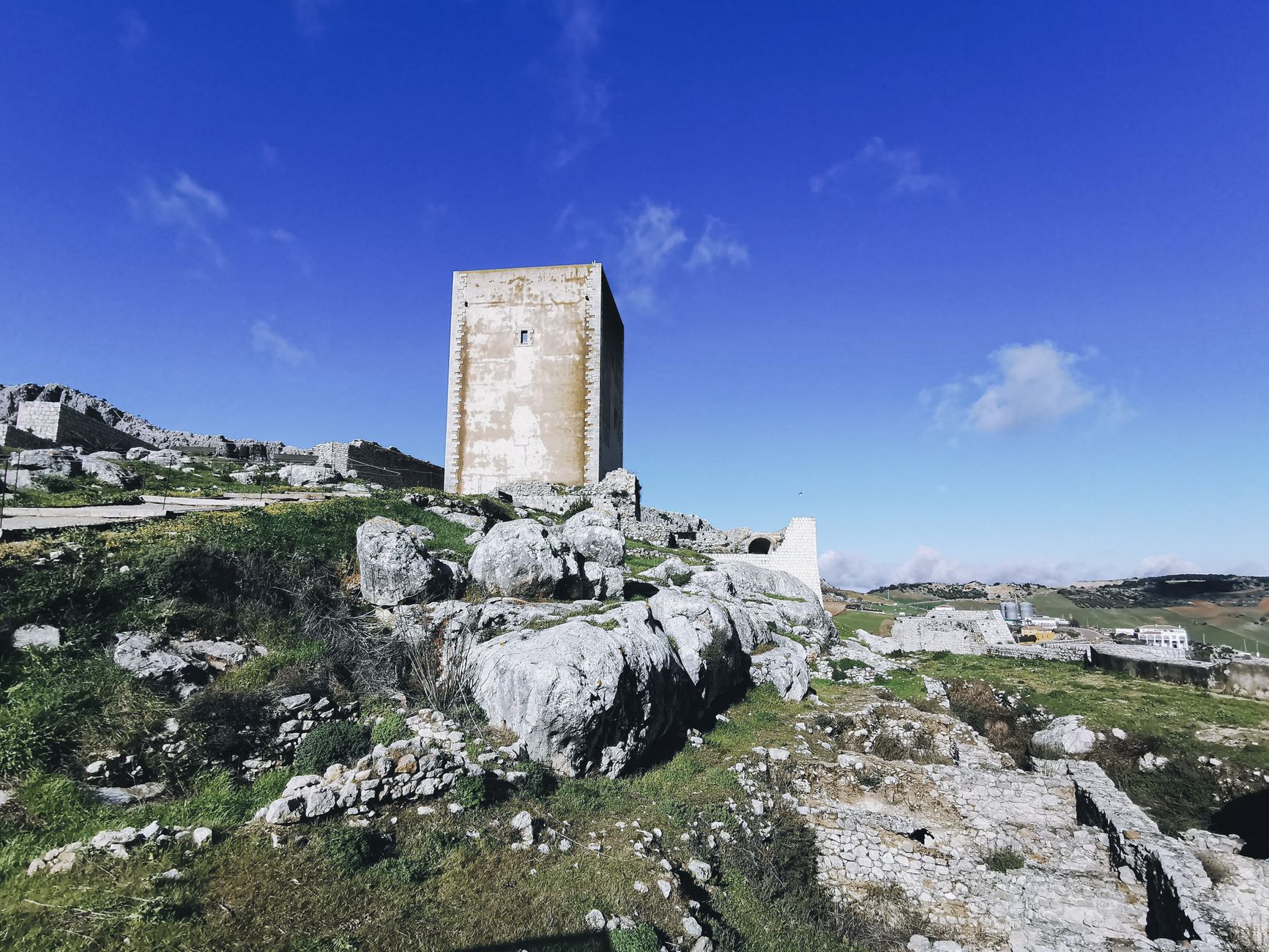
Photo by Mehmet Turgut Kirkgoz on Pexels
The Nuragic Civilization Built Over 7,000 Towers in Sardinia On June 12, 1949, Italian archaeologist Giovanni Lilliu began excavating the Nuragic complex of Su Nuraxi in Sardinia, uncovering a sophisticated Bronze Age society. Lilliu's discoveries at the site, located near the town of Barumini, shed new light on the Nuragic civilization, which flourished from 1900 to 500 BCE. The construction of these towers began around 1800 BCE, with the majority being built between 1500 and 1200 BCE.
What Everyone Knows
Most people think the Nuragic civilization was a primitive, tribal society that built simple stone structures, but the standard story goes that these towers were merely defensive strongholds. The common understanding of the Nuragic people is that they were isolated and lacked significant cultural achievements, with their towers being the only notable aspect of their civilization. However, this perspective neglects the complexity and sophistication of the Nuragic civilization, which is evident in their architecture and trade networks.
What History Actually Shows
Historian Giovanni Ugas argues in his book "Nuragic Sardinia" that the Nuragic civilization was a highly organized and advanced society, with a strong emphasis on trade and cultural exchange. According to Ugas, the Nuragic people built their towers between 1500 and 1000 BCE, with the majority being constructed during the Middle Bronze Age. Archaeologist Maria Grazia Melis notes in her study "The Nuragic Civilization" that the towers were often built in strategic locations, such as hilltops and coastal areas, suggesting a high degree of planning and coordination. The Nuragic people were skilled metalworkers, producing intricate bronze artifacts that have been found in sites across the Mediterranean, as far away as Egypt and Mycenae. As historian Peter van Dommelen writes in "Sardinia Between the Mediterranean and Europe", the Nuragic civilization's trade networks extended far beyond the island of Sardinia, with evidence of exchange with the Mycenaeans and the Egyptians dating back to 1450 BCE. By 1200 BCE, the Nuragic civilization had established a complex system of governance, with the towers serving as centers of power and administration. The construction of these towers required significant resources and labor, demonstrating the sophistication and organizational capabilities of the Nuragic people.
The Part That Got Buried
Historians like Giovanni Lilliu and archaeologists from the University of Cagliari actively contributed to the suppression of the Nuragic civilization's story by focusing primarily on the island's more recent history. The Italian government's decision to prioritize the preservation of Roman and Greek ruins over the Nuragic sites also played a significant role in burying this history. Specifically, the Italian Ministry of Cultural Heritage allocated most of its funds to the restoration of Roman amphitheaters and Greek temples, leaving the Nuragic towers to deteriorate. This deliberate choice had a direct impact on the availability of resources for Nuragic research and excavation, making it difficult for scholars to study and share the history of the Nuragic civilization. As a result, the story of the Nuragic people and their impressive towers was not widely told, and their contributions to the development of Western civilization were largely overlooked.
The Ripple Effect
The suppression of the Nuragic civilization's history had concrete consequences for the people of Sardinia, who were denied a deeper understanding of their cultural heritage. The lack of investment in Nuragic research and preservation also meant that many of the island's archaeological sites were left to decay, resulting in the loss of valuable historical artifacts and knowledge. One specific modern thing that traces directly back to this event is the design of the modern Sardinian flag, which features a distinctive symbol that is derived from the Nuragic people's ancient motifs. This symbol is now an integral part of Sardinian identity, and its presence on the flag serves as a reminder of the island's rich and complex history.
The Line That Says It All
The Nuragic civilization's history was deliberately obscured by a combination of academic neglect and governmental prioritization of other historical sites, resulting in a profound loss of cultural knowledge and heritage.
A Note on Sources
This article draws on historical records, documented accounts, and academic research related to the Nuragic civilization and Bronze Age Sardinia.


