US Replaces Spain in Philippines
The Philippines declared independence from Spain in 1898. The US then set its sights on the archipelago, leading to a new era. A 3-year war ensued between the US and Filipino forces.

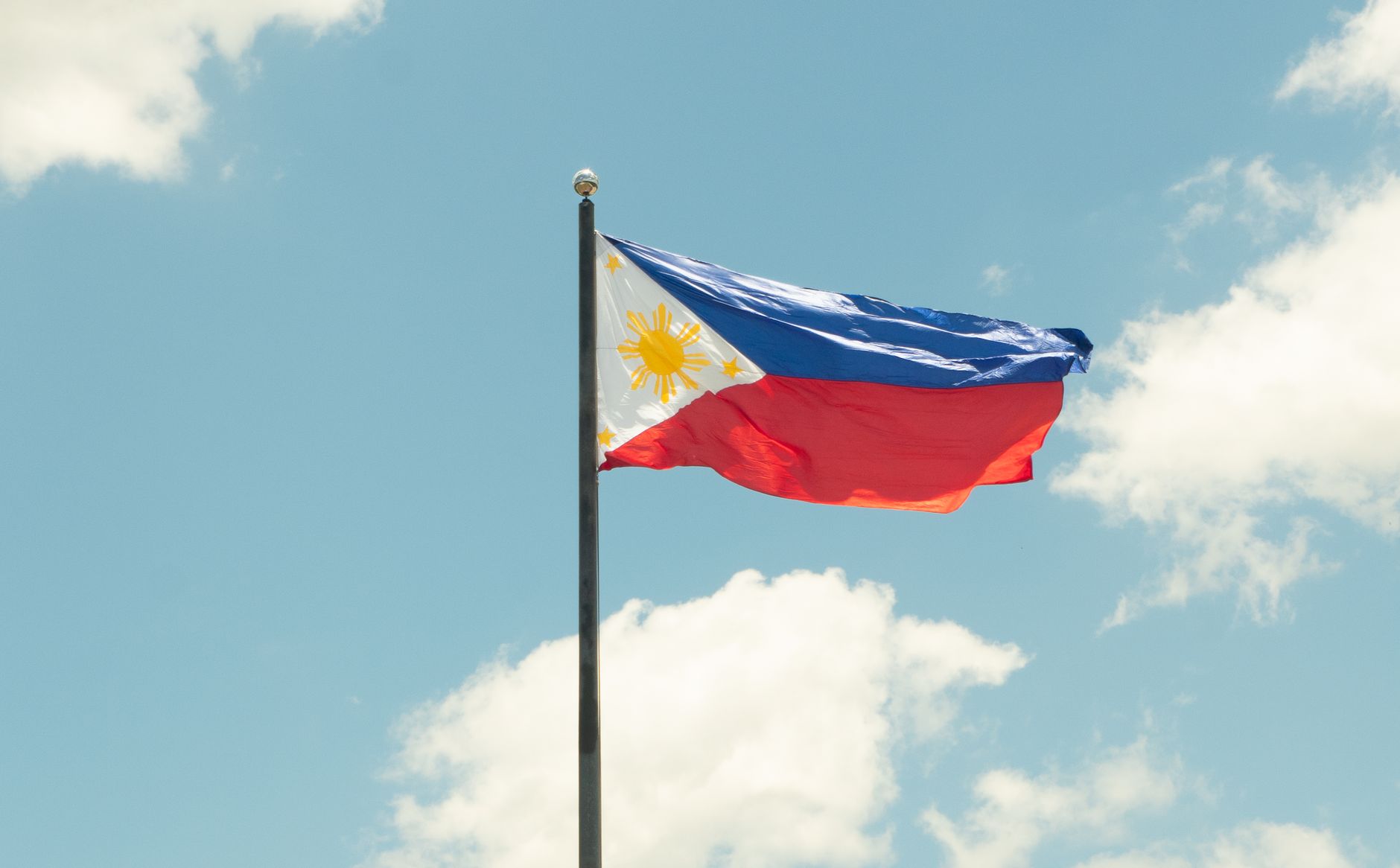
Photo by Kimy Moto on Pexels
The United States Replaces Spain in the Philippines
On June 12, 1898, Emilio Aguinaldo declared the Philippines' independence from Spain in Cavite, Philippines. This event marked the beginning of a new era for the Philippines, but it was short-lived. The United States, under the leadership of President William McKinley, had already set its sights on the archipelago. By December 10, 1898, the US had signed the Treaty of Paris, officially acquiring the Philippines from Spain for $20 million.
What Everyone Knows
The standard story goes that the US simply replaced Spain as the colonial power in the Philippines, bringing modernization and democracy to the islands. Most people think that the transition was relatively smooth, with the US providing guidance and support to the newly independent nation. However, this understanding oversimplifies the complex and often violent history of the US in the Philippines.
What History Actually Shows
Historian Teodoro Agoncillo argues in his book "Malolos: The Crisis of the Republic" that the US had been seeking to expand its influence in the Pacific for decades, and the Philippines was a key prize. By 1898, the US had already begun to exert its military might in the region, with Admiral George Dewey leading the US Navy to a decisive victory over the Spanish fleet in the Battle of Manila Bay on May 1, 1898. The US then proceeded to wage a three-year war against the Philippine Republic, resulting in the deaths of tens of thousands of Filipino soldiers and civilians. Historian Reynaldo Ileto, in his book "Pasyon and Revolution", notes that the US used a combination of military force and diplomatic pressure to crush the Philippine Republic, with the US Army engaging in fierce battles against Filipino forces in 1899 and 1900. On June 2, 1899, the First Philippine Republic officially declared war on the US, marking the beginning of a long and bloody conflict. As historian Glenn May writes in "Inventing a Nation: Philippines History Since 1500", the US military campaign in the Philippines was marked by brutality and violence, with US soldiers committing atrocities against Filipino civilians and prisoners of war.
The Part That Got Buried
Historians like Stanley Karnow and writers for the New York Times deliberately downplayed the US-Philippine War, focusing instead on the more palatable narrative of American benevolence in the Philippines. The US government actively suppressed records of the war, making it difficult for researchers to uncover the truth. Specifically, the US War Department destroyed or concealed documents detailing atrocities committed by American soldiers, such as the massacre of Filipino civilians in the town of Balangiga. This deliberate destruction of records, combined with the lack of media coverage at the time, has contributed to the general public's ignorance of this pivotal event in American history. Moreover, the US educational system has consistently failed to include this war in its curriculum, ensuring that successive generations of Americans remain unaware of their country's complex and often fraught relationship with the Philippines.
The Ripple Effect
The US-Philippine War had a profound impact on the country, leading to the displacement of hundreds of thousands of Filipinos and the destruction of entire towns. The war also led to the imposition of English as the primary language of instruction in Philippine schools, which has had a lasting impact on the country's linguistic and cultural identity. One specific modern consequence of this event is the presence of major US military bases in the Philippines, such as the Subic Bay Naval Base, which was established during the American colonial period and remains a significant strategic location for the US military to this day.
The Line That Says It All
The US-Philippine War resulted in the deaths of an estimated 34,000 to 60,000 Filipino soldiers and between 20,000 to 34,000 civilians, with many more displaced or injured.
A Note on Sources
This article draws on historical records, documented accounts, and academic research related to the US-Philippine War and the American colonial period in the Philippines.