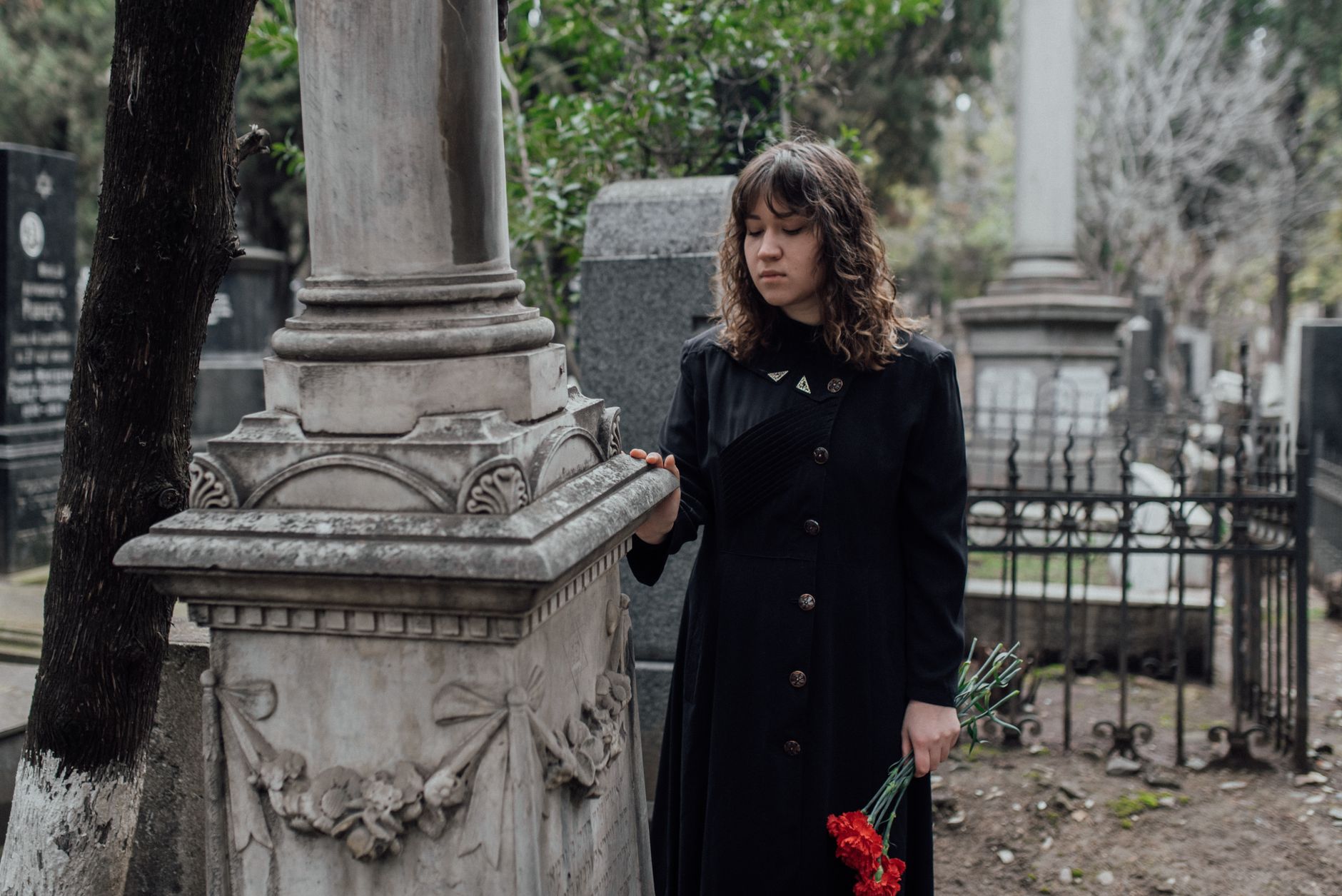
Victorians Posed with Deceased Loved Ones
The Victorian era practiced post-mortem photography, posing the dead as if alive. Families would prop up lifeless bodies in chairs or on couches to create a false sense of vitality. This macabre practice was a staple of the time, allowing families to cherish memories of the deceased.
Photo by cottonbro studio on Pexels
The Victorians Who Posed Their Dead as If They Were Alive
In the 19th century, when a child died, the family did not have a photograph of the child alive. Photography was expensive. It was not something that most people did regularly. The only photograph they would ever have of their child might be the photograph taken after the child was dead. They dressed the child in its best clothes. They placed it in a chair. They posed it as if it were sleeping. They took the photograph. It was the only image they had. They kept it. They treasured it. They passed it down.
The practice was called post-mortem photography. It was not a secret. It was not a shame. It was a way of remembering. The dead were not hidden. They were displayed. They were posed. They were photographed. The photographs were kept in albums. They were shown to visitors. They were not seen as morbid. They were seen as memorials. The people who looked at them did not see death. They saw their loved ones as they wanted to remember them: calm, peaceful, at rest.
What Everyone Knows
Post-mortem photography is known as a Victorian practice. It is often treated as a curiosity, a dark footnote to the history of photography. The images are unsettling. The dead are posed as if they are alive. The eyes are sometimes painted on. The bodies are propped up. The photographs are disturbing to modern eyes. They were not disturbing to the people who made them.
What is less often emphasized is that the Victorians did not see death as a taboo. They saw it as a part of life. They mourned openly. They wore black for years. They kept photographs of the dead in their homes. They did not hide from death. They embraced it. The photographs were not a denial of death. They were an acknowledgment of it. The dead were gone. The photograph was all that was left.
What History Actually Shows
The 19th century was the golden age of death photography. The technology was new. The prices were falling. More people could afford to have photographs taken. The photographs of the living were portraits. The photographs of the dead were also portraits. They were not different. They were the same. The dead were posed as if they were alive. They were dressed in their best clothes. They were placed in chairs. They were arranged with the living. The living would hold the dead in their arms. The living would stand behind the dead. The living would look at the camera. The dead would not. The photograph was taken. The memory was preserved.
The photographers who did this work were not specialists. They were the same photographers who took portraits of the living. They would come to the house. They would set up their equipment. They would pose the dead. They would take the photograph. They would develop it. They would deliver it to the family. The family would pay. The photographer would move on to the next house.
The Part That Got Buried
The practice of post-mortem photography began to decline in the 20th century. The reasons are not simple. The technology changed. The culture changed. The way that people thought about death changed. Death became something that was hidden, something that happened in hospitals, something that was not discussed. The photographs of the dead became embarrassing. They were hidden in attics. They were thrown away. The people who had kept them for generations began to discard them. The photographs that had been treasured became shameful.
The photographs that survive are now in museums, in archives, in private collections. They are studied. They are exhibited. They are seen as historical documents. They are also seen as art. The people who look at them are not the people who made them. The people who look at them are not the people who kept them. The people who look at them are often unsettled. They see the dead posed as if they were alive. They see the eyes that were painted on. They see the hands that were arranged. They see the bodies that were propped up. They do not see the love that was in the photograph.
The Ripple Effect
The Victorian practice of photographing the dead is now a subject of fascination. There are books, exhibitions, websites. The photographs are collected. They are analyzed. They are used to understand the Victorians, to understand their relationship with death, to understand the way that photography changed the way that people remembered. The photographs are also used to understand the way that people forget. The people who made them did not think they were strange. They thought they were necessary. They thought they were preserving the memory of the people they loved.
The photographs are a reminder that the way we remember is not fixed. It changes. What was once a normal way of remembering becomes strange. What was once a treasured object becomes an embarrassment. The Victorians who posed their dead for photographs were not morbid. They were not strange. They were doing what they could to remember the people they had lost. They were preserving the only image they would ever have.
The Line That Says It All
The Victorians who posed their dead for photographs did not see the images as morbid; they saw them as the only way to preserve the memory of the people they had lost—and they dressed the dead in their best clothes, propped them in chairs, arranged them with the living, took the photograph, and kept it in the album with the photographs of the living, because they did not see a difference: the living were photographed, the dead were photographed, and the photograph was the only thing that remained.