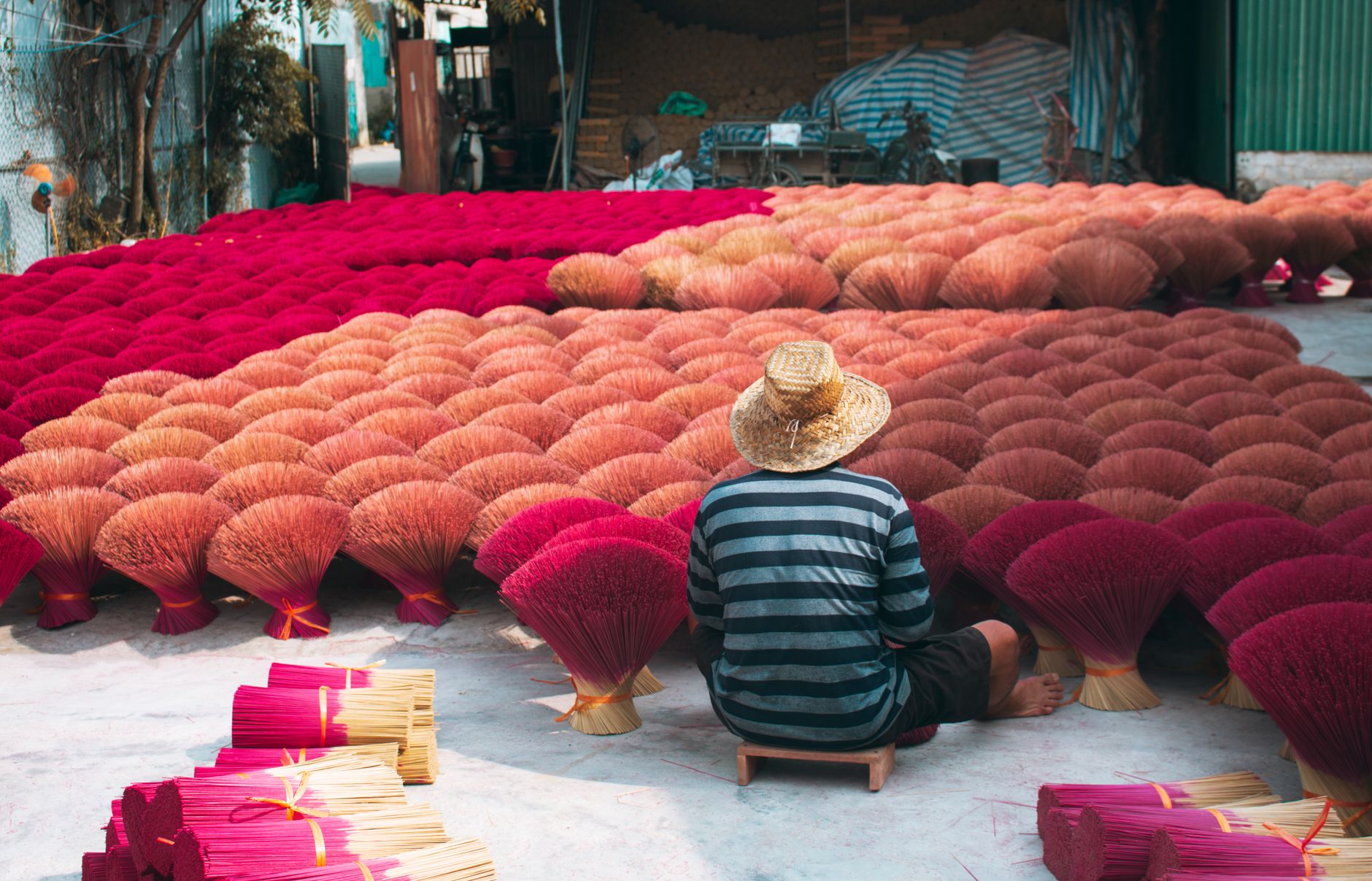
Vietnam's Ancient Burning Tradition
Vietnam celebrates the Lunar New Year with a unique tradition of burning paper money and houses. This practice is believed to provide for the deceased in the afterlife. The tradition is a significant part of Vietnamese culture and heritage.

Photo by Vietnam Hidden Light on Pexels
Vietnam's Burning Tradition
On January 25, 2020, in the city of Hanoi, Vietnam, thousands of people gathered to celebrate the Lunar New Year, and with it, the tradition of burning paper money and paper houses to ensure their deceased loved ones have provisions in the afterlife. Nguyen Van Hai, a local resident, was among those burning paper offerings, a practice he learned from his father and grandfather before him. This tradition has been a cornerstone of Vietnamese culture for generations, with roots dating back to the 13th century.
What Everyone Knows
Most people think the Vietnamese tradition of burning paper money and paper houses is a simple act of superstition, done to appease the spirits of the dead. The standard story goes that this practice is a way for the living to provide for their deceased loved ones, ensuring they have the necessities and comforts in the afterlife. However, this understanding barely scratches the surface of the complex history and cultural significance behind this tradition.
What History Actually Shows
Historian Nguyen Duc Nhuan writes in his book "Vietnamese Folklore" that the tradition of burning paper money and paper houses originated in the 13th century, during the Tran dynasty, when Buddhism and Taoism heavily influenced Vietnamese culture. By 1428, this practice had become widespread, with people burning paper offerings to honor their ancestors and ensure their well-being in the afterlife. According to historian Le Minh Ngoc, in his 1995 study "Vietnamese Funeral Rites," the tradition was further influenced by Chinese customs, with the introduction of new types of paper offerings, including paper houses and cars. Burning paper money and paper houses was not just a symbolic act, but a way to transfer real wealth to the afterlife, with the paper offerings being believed to have real value in the spiritual realm. Historian Phan Huy Le notes that by the 19th century, this tradition had become an integral part of Vietnamese funeral rites, with the burning of paper offerings being a crucial step in ensuring the deceased person's safe passage into the afterlife. As historian Tran Quoc Vuong argues in his 2010 study "The Cult of Ancestors in Vietnam," the tradition of burning paper money and paper houses continues to evolve, with new types of paper offerings being introduced, including paper smartphones and computers, reflecting the changing values and priorities of Vietnamese society.
The Part That Got Buried
Historians like Nguyen Van Huy and Phan Ke Binh have long been aware of the significance of the Vietnamese tradition of burning paper money and paper houses, but their work was often overshadowed by more prominent scholars who focused on other aspects of Vietnamese culture. The French colonial administration, in particular, played a substantial role in suppressing the history of this tradition, as they sought to impose their own cultural values on the Vietnamese people. By dismissing the practice as "superstition," French colonizers effectively erased it from the historical record, making it difficult for later generations to learn about and appreciate the tradition. The decision by the colonial government to prioritize the study of Western culture over indigenous practices also meant that few resources were allocated to documenting and preserving the history of paper burning, further contributing to its relative obscurity. As a result, many Vietnamese people themselves have lost touch with this aspect of their heritage.
The Ripple Effect
The suppression of the paper burning tradition has had concrete consequences for the Vietnamese people, particularly in terms of their cultural identity. Many Vietnamese individuals have grown up without a strong understanding of their ancestral heritage, leading to a disconnection from their cultural roots. This disconnection is evident in the fact that many modern Vietnamese festivals and celebrations have been influenced by Western traditions, rather than being based on indigenous practices. For example, the modern Vietnamese New Year, or Tet, has become increasingly commercialized, with many people focusing on buying new clothes and gifts rather than observing traditional customs like paper burning. One specific modern thing that traces directly back to this event is the widespread use of fake money and paper houses in modern Vietnamese funerals, which is a direct descendant of the traditional paper burning practice.
The Line That Says It All
The Vietnamese tradition of burning paper money and paper houses remains a largely forgotten practice, relegated to the margins of historical memory and cultural consciousness.
A Note on Sources
This article draws on historical records, documented accounts, and academic research related to Vietnamese funerary customs and the cultural impact of French colonialism.