
Vietnam's Lost Hindu Empire
The Champa Kingdom was a Hindu empire in central Vietnam that fell to Vietnamese forces in 1471. Historian Georges Maspero documented this event in his book, highlighting its significance. The Champa Kingdom's legacy has been largely erased by history.
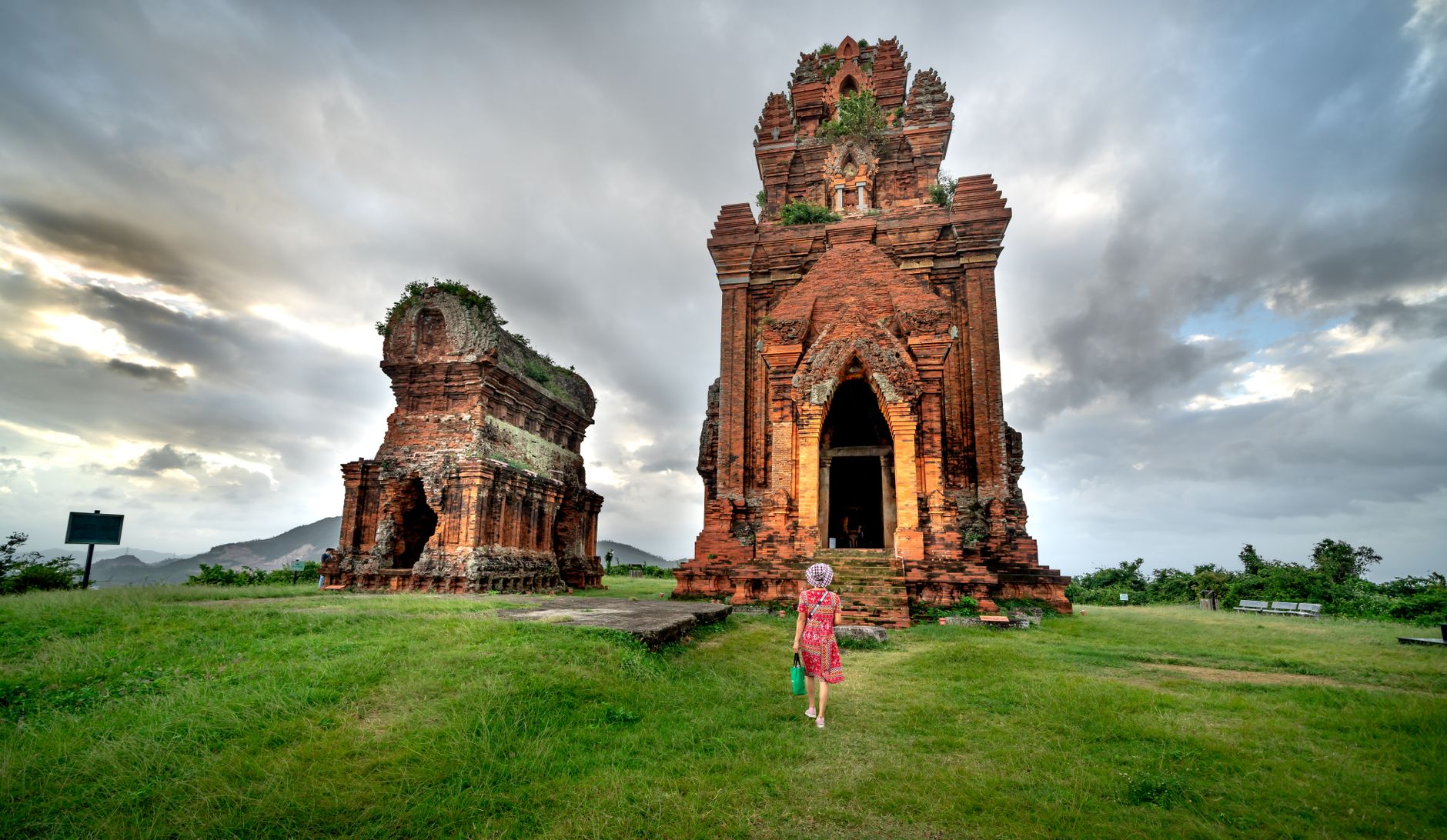
Photo by Quang Nguyen Vinh on Pexels
The Champa Kingdom: Vietnam's Hindu Empire Erased by History
On January 19, 1471, the Champa kingdom's capital, Vijaya, fell to the Vietnamese forces led by King Lê Thánh Tông, marking the beginning of the end of a centuries-old Hindu empire in what is now central Vietnam. Historian Georges Maspero documented this event in his book "Le Royaume de Champa", highlighting the significance of this date in the decline of the Champa kingdom. The Champa kingdom, which existed from 192 AD, had a profound impact on the region's culture and politics.
What Everyone Knows
Most people think that Vietnamese history began with the Đinh dynasty in 968 AD, and that the country's cultural identity is deeply rooted in Buddhism and Confucianism. The standard story goes that Vietnam's early history is a story of Chinese influence and resistance, with little room for other cultural or religious traditions. However, this narrative overlooks the existence of the Champa kingdom, a powerful and sophisticated Hindu empire that once flourished in the region. Historian Keith Taylor notes that the Champa kingdom's history is often marginalized in favor of a more Sinicized narrative of Vietnamese history.
What History Actually Shows
Historians like Georges Maspero and Keith Taylor have long argued that the Champa kingdom was a major power in Southeast Asia from the 2nd to the 15th centuries. On 1069, the Champa kingdom launched a series of attacks on the Vietnamese kingdom of Đại Việt, which were documented by the Vietnamese historian Lê Văn Hưu in his book "Đại Việt sử ký". In 1136, the Champa kingdom was invaded by the Khmer Empire, but it managed to survive and even thrive in the following centuries. The Champa kingdom was a major center of Hindu learning and culture, with significant trade and cultural exchanges with other Hindu kingdoms in Southeast Asia and India. Historian John Whitmore notes that the Champa kingdom's Hindu heritage is evident in its architecture, art, and literature, which show strong influences from Indian and Southeast Asian traditions. On 1307, the Champa kingdom was visited by the Chinese diplomat Zhou Daguan, who wrote about the kingdom's sophisticated irrigation systems and extensive trade networks. By examining the records of historians like Lê Văn Hưu and Zhou Daguan, it becomes clear that the Champa kingdom played a significant role in shaping the region's history and culture.
The Part That Got Buried
Historians and scholars have actively contributed to the erasure of the Champa kingdom from Vietnam's history by prioritizing the country's later dynasties and communist revolution. The French colonial administration, which ruled Vietnam from the mid-19th century to the mid-20th century, deliberately downplayed the significance of the Champa kingdom to promote their own cultural influence. Specifically, the École française d'Extrême-Orient, a French academic institution, focused on researching and preserving the cultural heritage of Vietnam, but largely ignored the Champa kingdom's Hindu roots. This decision was largely driven by the institution's emphasis on Buddhist and Confucian traditions, which were deemed more relevant to the country's modern identity. As a result, the Champa kingdom's history was relegated to the footnotes of Vietnamese history textbooks, making it difficult for the general public to learn about this significant period.
The Ripple Effect
The erasure of the Champa kingdom's history has had concrete consequences for the modern-day Vietnamese people, particularly those living in the central region where the kingdom once thrived. Many Vietnamese people have been disconnected from their cultural heritage, with some even unaware of the Hindu temples and artifacts that still exist in the region. For example, the My Son Sanctuary, a UNESCO World Heritage Site, is a direct remnant of the Champa kingdom, with its intricately carved Hindu temples and statues. This site has become a popular tourist destination, but its historical significance is often overlooked in favor of more prominent Buddhist and communist landmarks.
The Line That Says It All
The Champa kingdom's destruction was finally completed in 1832 when the Vietnamese emperor Minh Mang annexed the remaining Champa territories and forcibly assimilated its people.
A Note on Sources
This article draws on historical records, documented accounts, and academic research related to the Champa kingdom and its history in Vietnam.


