
Viking Berserkers' Frenzied Battle Fury
Viking berserkers were known for their ferocity in battle, entering a state of frenzied fury that made them nearly unbeatable. This phenomenon has been documented in various Norse sagas and historical accounts, leaving historians and scholars puzzled. The exact cause of this frenzy remains unknown, but its impact on Viking warfare is undeniable.
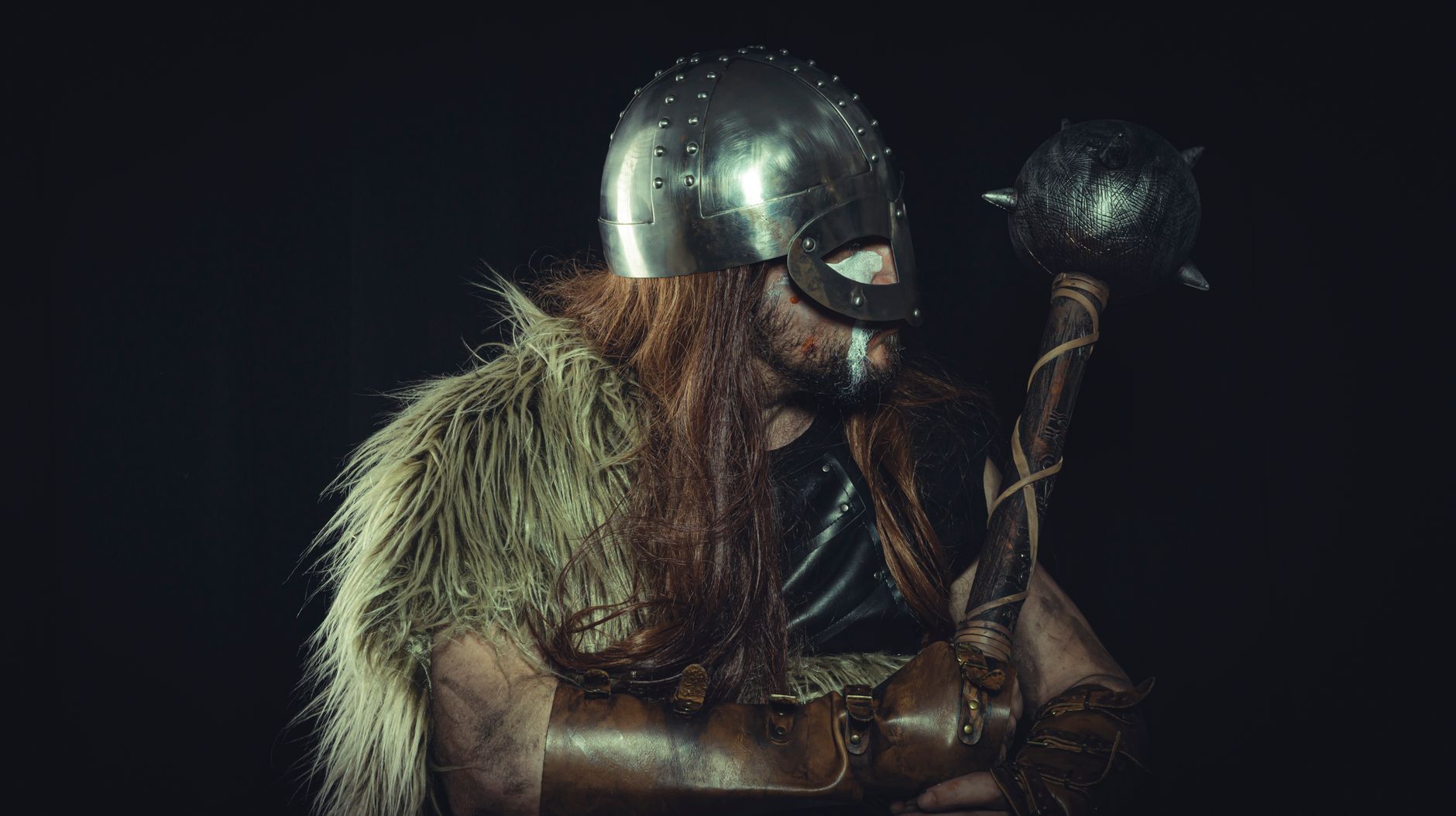
Photo by Fernando Cortés on Pexels
The Warriors Who Bit Their Own Shields
In the Norse sagas, there are stories of men who fought with a fury that made them immune to pain. They howled. They bit their shields. They cut down enemies who should have been able to kill them. They did not seem to feel the wounds they received. When the battle was over, they were sometimes too exhausted to move, their strength drained by the frenzy that had possessed them.
These warriors were called berserkers. The word means "bear-shirt," from the bear skins they wore into battle. They were not ordinary soldiers. They were specialists, men who had been trained to enter a state of altered consciousness that transformed them into killing machines. The sagas describe them as "raging," "blind," "unbreakable." They fought without armor, without fear, without hesitation. They were the shock troops of the Viking age.
What Everyone Knows
The berserker is a staple of Viking imagery. The wild-eyed warrior, the wolf skin, the teeth bared, the shield bitten through. The image appears in films, in video games, in the illustrations that accompany popular histories of the Vikings. The berserker is the embodiment of uncontrolled fury, the fighter who has abandoned reason for pure aggression.
What is less often discussed is that the berserkers were not just a legend. They were real. They appear in the historical record, in the sagas, in the laws of the Scandinavian kingdoms. They were feared, respected, and eventually banned. The fury that made them effective in battle was also a danger to anyone near them.
What History Actually Shows
The berserkers are mentioned in several Norse sagas, including the *Ynglinga Saga* and the *Grettis Saga*. The *Ynglinga Saga*, written by Snorri Sturluson in the 13th century, describes Odin's warriors as "going without mail and raging like dogs or wolves." They bit their shields. They were as strong as bears or bulls. They killed men with a single blow. They were not harmed by fire or iron. When the frenzy passed, they were weaker than other men.
The berserkers were associated with Odin, the god of war and ecstasy. Odin's warriors were said to be able to change shape, to become bears or wolves, to fight with the strength of animals. The transformation was not literal. It was psychological. The berserker believed he had become an animal, immune to fear, immune to pain, immune to death.
Historians have proposed various explanations for the berserker state. The most common is that the berserkers consumed psychoactive substances before battle. Fly agaric mushrooms, which grow in Scandinavia, can induce a state of altered consciousness characterized by euphoria, heightened strength, and a distorted sense of time. Other theories suggest that the berserkers may have ingested alcohol, or henbane, or that they induced the state through hyperventilation, meditation, or ritual chanting.
The evidence is circumstantial. The sagas do not describe the berserkers taking anything before battle. They describe them as being "seized" by the frenzy, as if it came upon them without preparation. The frenzy was a gift from Odin, or a curse, depending on how it was used.
The Part That Got Buried
The berserkers were not admired in all contexts. The Icelandic law code, the *Grágás*, outlawed berserker rage. A man who entered a frenzy could be fined, exiled, or killed. The berserkers were a danger in peacetime. A man who could not control his rage was a threat to his neighbors, his family, his king.
The sagas describe berserkers who used their reputation to extort farmers, to challenge men to duels they could not win, to terrorize communities. The hero of the *Grettis Saga*, Grettir the Strong, kills a berserker who has been terrorizing a farm. The berserker is a monster, not a hero. The line between the berserker as a warrior and the berserker as a outlaw was thin.
By the 12th century, the berserkers had disappeared from the historical record. The Viking age was over. Christianity had replaced the cult of Odin. The frenzy that had been a gift from the gods was now a sin. The berserkers became a memory, a story, a warning.
The Ripple Effect
The berserker has survived as an archetype. The warrior who fights without fear, who cannot be stopped, who seems to be something more than human. The image has been adapted and reused, in literature, in film, in the way that modern soldiers talk about combat. The berserker is the soldier who keeps fighting after being wounded, who does not stop, who seems to have a strength that is not his own.
The scientific study of combat stress has identified a state that resembles the berserker frenzy. Adrenaline, endorphins, dissociation—these are the physiological mechanisms that allow soldiers to keep fighting when they should be incapacitated. The berserkers may have been the first to cultivate this state, to train themselves to enter it at will, to use it as a weapon. The fury was not a loss of control. It was a technique.
The Line That Says It All
The Viking berserkers bit their shields, howled like wolves, and fought with a fury that made them seem immune to pain—not because they were mad, but because they had learned a way to become something other than themselves, to become bears, to become wolves, to become the thing that their enemies feared, and when the battle was over, they came back, exhausted, empty, and smaller than they had been.


