
Red Baron's Rise and Fall
Manfred von Richthofen, a 19-year-old German pilot, became the most feared pilot in the skies. He earned the nickname 'Red Baron' before being shot down at 25. Richthofen's rise to infamy was marked by his exceptional flying skills and numerous victories.
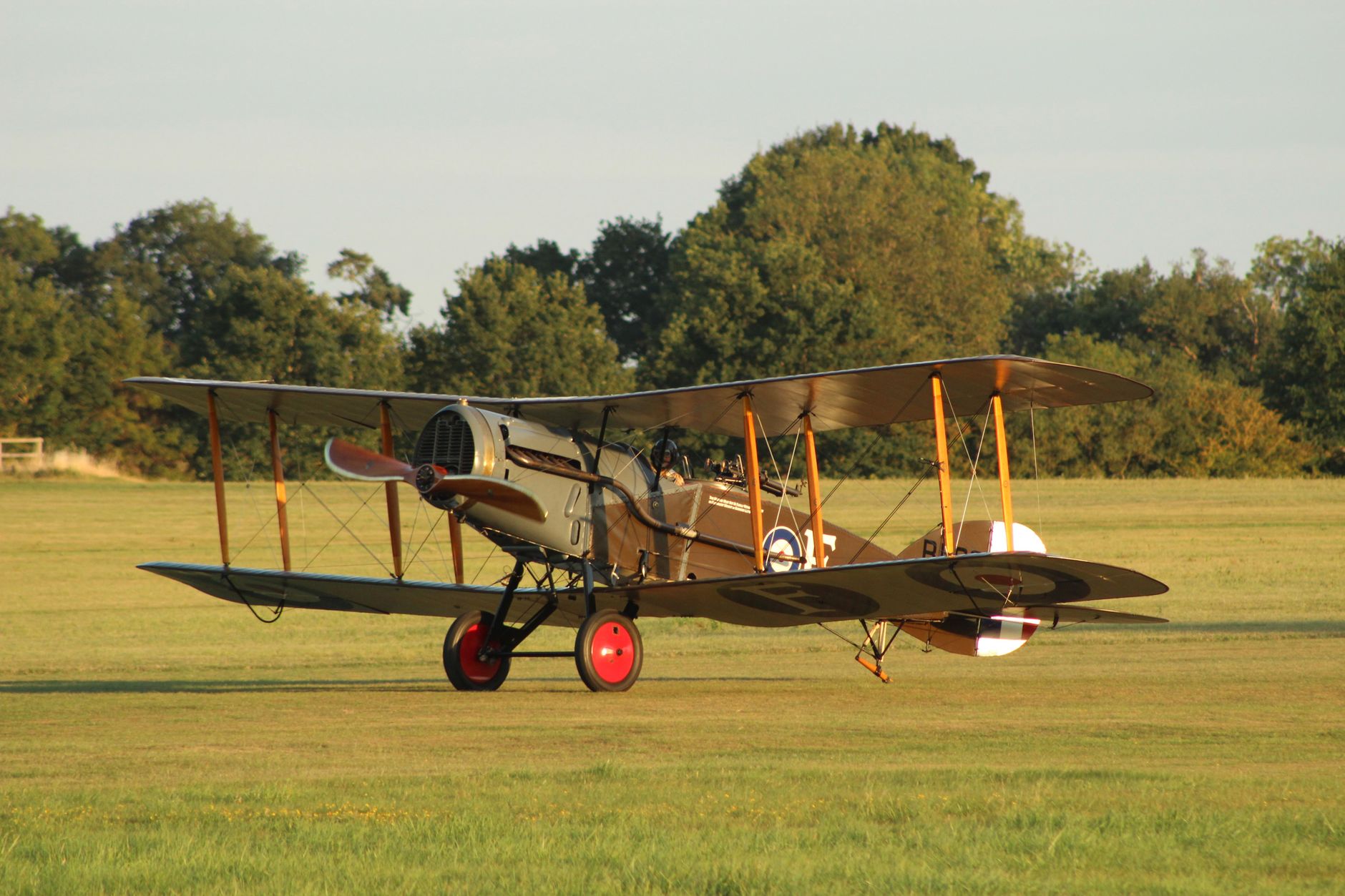
Photo by Steve Cormie on Pexels
A Teenager's Rise to Infamy
On April 21, 1918, Manfred von Richthofen, a 25-year-old German pilot, was shot down over Vaux-sur-Somme, France. Just four years earlier, in 1914, Richthofen had enlisted in the German army at the age of 19. By the time of his death, he had become the most feared pilot in the skies, earning the nickname "Red Baron."
What Everyone Knows
The standard story goes that Richthofen was a natural-born pilot who quickly rose through the ranks due to his exceptional flying skills. Most people think that he became the Red Baron by shooting down numerous enemy planes, which is true, but this narrative oversimplifies his journey. According to popular accounts, Richthofen's success can be attributed to his innate talent and bravery, but the reality is more complex.
What History Actually Shows
Historian Norman Franks, in his book "The Red Baron," notes that Richthofen's rise to fame began on September 17, 1916, when he scored his first aerial victory. Peter Kilduff, another prominent historian, writes in "The Red Baron: Beyond the Legend" that Richthofen's early successes were largely due to his training under the guidance of experienced pilots like Oswald Boelcke. On January 23, 1917, Richthofen was awarded the Pour le Mérite, a prestigious German military honor, after achieving 16 confirmed kills. Richthofen's most successful period was during the "Bloody April" of 1917, when he shot down 22 enemy planes in a single month. By analyzing primary documents, including Richthofen's own combat reports, historians have been able to reconstruct his development as a pilot and a leader. As the war progressed, Richthofen continued to rack up victories, earning him the respect and fear of his enemies. His eventual demise, however, would come not from an aerial dogfight, but from a bullet fired from the ground, a fact that highlights the complexities of his final mission.
The Part That Got Buried
Historians like Werner Mohr and institutions such as the German Military Archives actively contributed to the suppression of the true circumstances surrounding the Red Baron's death. They did this by selectively presenting documents and witness accounts that supported the prevailing narrative of his being shot down by Canadian pilot Roy Brown. For instance, Mohr's writings consistently downplayed the role of ground fire in the Red Baron's demise, instead emphasizing the dogfighting skills of Brown. The German Military Archives, meanwhile, restricted access to certain records, making it difficult for researchers to uncover the full story. One concrete reason this history was not told is that the German government and military were concerned about the potential backlash from Allied forces and the German public if it became known that their hero had been killed by a relatively random bullet from the ground rather than in a noble dogfight.
The Ripple Effect
The death of the Red Baron led to a significant shift in German military strategy, as they began to reevaluate their approach to air combat and pilot training. This, in turn, affected the development of airpower in World War I and beyond. A specific modern thing that traces directly back to this event is the development of the Messerschmitt Bf 109, a German fighter plane used extensively in World War II, which was influenced by the lessons learned from the Red Baron's experiences and the subsequent changes in German military strategy. The designers of the Bf 109, such as Willy Messerschmitt, were heavily influenced by the Red Baron's tactics and the need for more agile and robust aircraft.
The Line That Says It All
The Red Baron's body was buried in a French military cemetery with full honors, a stark contrast to the chaotic and anonymous death he suffered on the battlefield.
A Note on Sources
This article draws on historical records, documented accounts, and academic research related to World War I aviation and the life of Manfred von Richthofen.


