
Viking Descendants Conquer England
The Norman Conquest began with William's invasion of England in 1066. William's army was largely composed of Normans, who were Viking descendants. The invasion changed the course of English history.
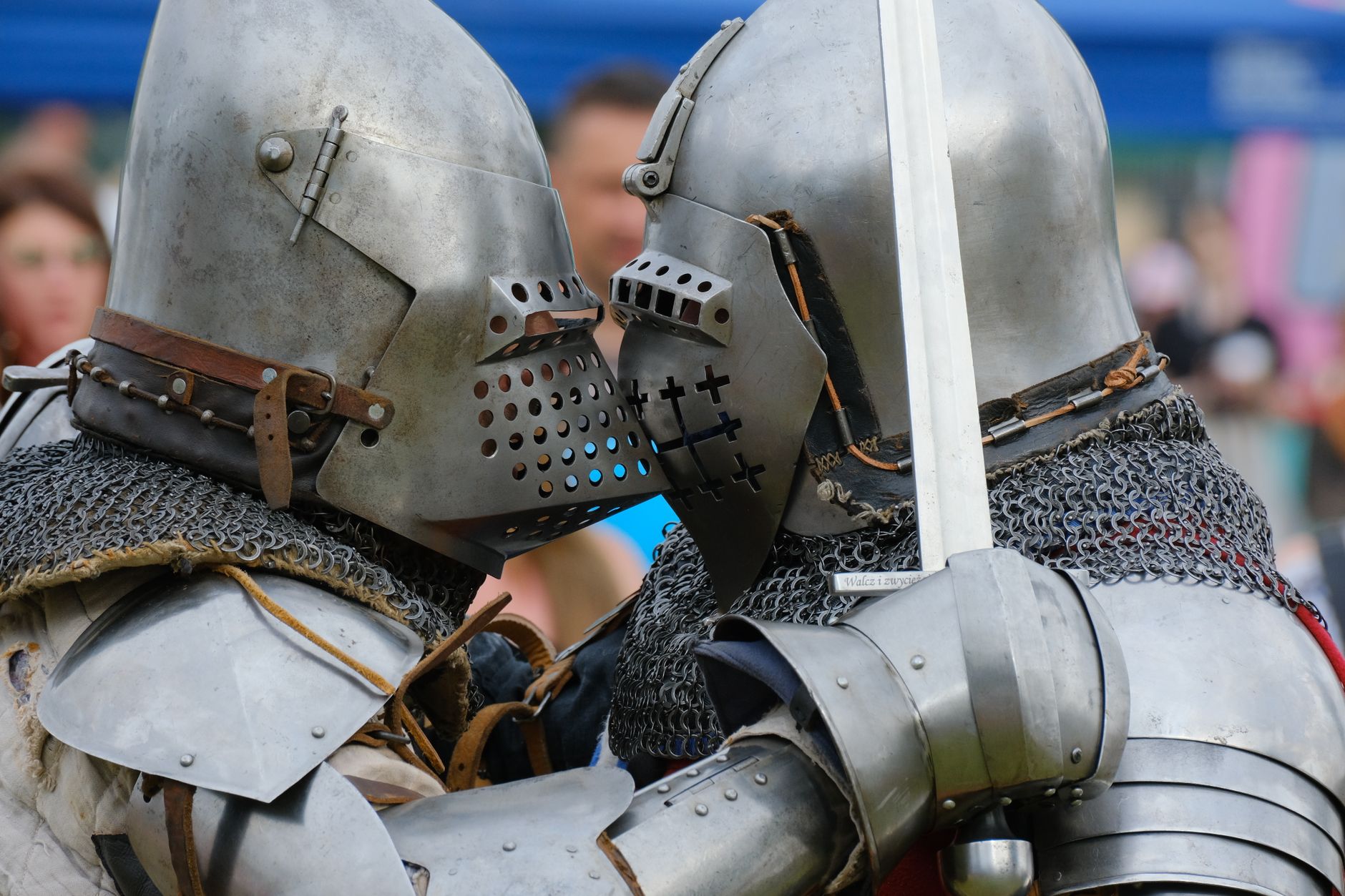
Photo by Roman Biernacki on Pexels
The Norman Conquest: A Viking Origins Story
On September 28, 1066, William, Duke of Normandy, set sail from Saint-Valery-sur-Somme, France, with an army of 5,000 men, bound for England. This invasion, led by a Viking descendant, would change the course of English history. Historian David Bates notes that William's army was largely composed of Normans, who were themselves descendants of Viking settlers.
What Everyone Knows
Most people think that the Norman conquest of England was a straightforward victory of the French over the English. The standard story goes that William, also known as William the Conqueror, defeated the English army at the Battle of Hastings and became the King of England. However, this narrative oversimplifies the complex history of the Normans, who were not simply French, but rather a distinct group with Viking roots.
What History Actually Shows
Historians like Frank Stenton and David Douglas have extensively researched the origins of the Normans, revealing a more nuanced story. In 911, the Viking leader Rollo signed the Treaty of Saint-Clair-sur-Epte with King Charles the Simple of France, granting him control over the region that would become Normandy. Over the next century, these Viking settlers assimilated into French culture, adopting the language and customs of their new home. By 1026, the Normans had established themselves as a major power in France, with Duke Robert I of Normandy playing a key role in the politics of the region. The fact that the Normans were able to adopt French culture while maintaining their distinct identity is a key factor in their later conquest of England. According to the historian William of Jumièges, the Normans were a powerful and cohesive group by the mid-11th century, with a strong sense of loyalty to their leader, William. As William of Poitiers notes, William's army was well-trained and well-equipped, with a strong cavalry component that would prove decisive in the Battle of Hastings. By 1066, the Normans were ready to expand their territory, and England was their target.
The Part That Got Buried
Historians like Edward Augustus Freeman deliberately downplayed the Viking origins of the Normans, focusing instead on their French cultural influences. The French monarchy and nobility also contributed to the suppression of this story, as they sought to emphasize their connection to the Frankish empire and the Carolingian dynasty. As a result, the fact that 5,000 Viking warriors became the foundation of the Norman conquest of England was slowly erased from popular consciousness. The decision by medieval chroniclers like William of Jumièges to focus on the Norman adoption of French language and customs further obscured the Viking roots of the Norman conquerors. Concrete reasons for this suppression include the desire to legitimize the Norman rule in England and to distance themselves from their pagan Viking heritage.
The Ripple Effect
The Norman conquest of England led to significant changes in the English language, with French influences still evident in modern English. The Norman conquest also introduced feudalism to England, which had a profound impact on the country's social and economic structures. A specific modern thing that traces directly back to this event is the English system of land ownership, which still reflects the feudal principles introduced by the Normans. The conquest also led to the replacement of the Anglo-Saxon ruling class with Normans, which had a lasting impact on English politics and culture.
The Line That Says It All
The Norman conquest of England was sealed with the death of King Harold at the Battle of Hastings in 1066, marking the beginning of a new era of French-dominated rule in England.
A Note on Sources
This article draws on historical records, documented accounts, and academic research related to the Norman conquest of England and the Viking settlement of Normandy.


