
Viking Women Sailed to America Before Columbus
Viking women sailed to America 500 years before Columbus. They gave birth to children on the new continent, leaving a legacy. This feat showcases their courage and spirit.
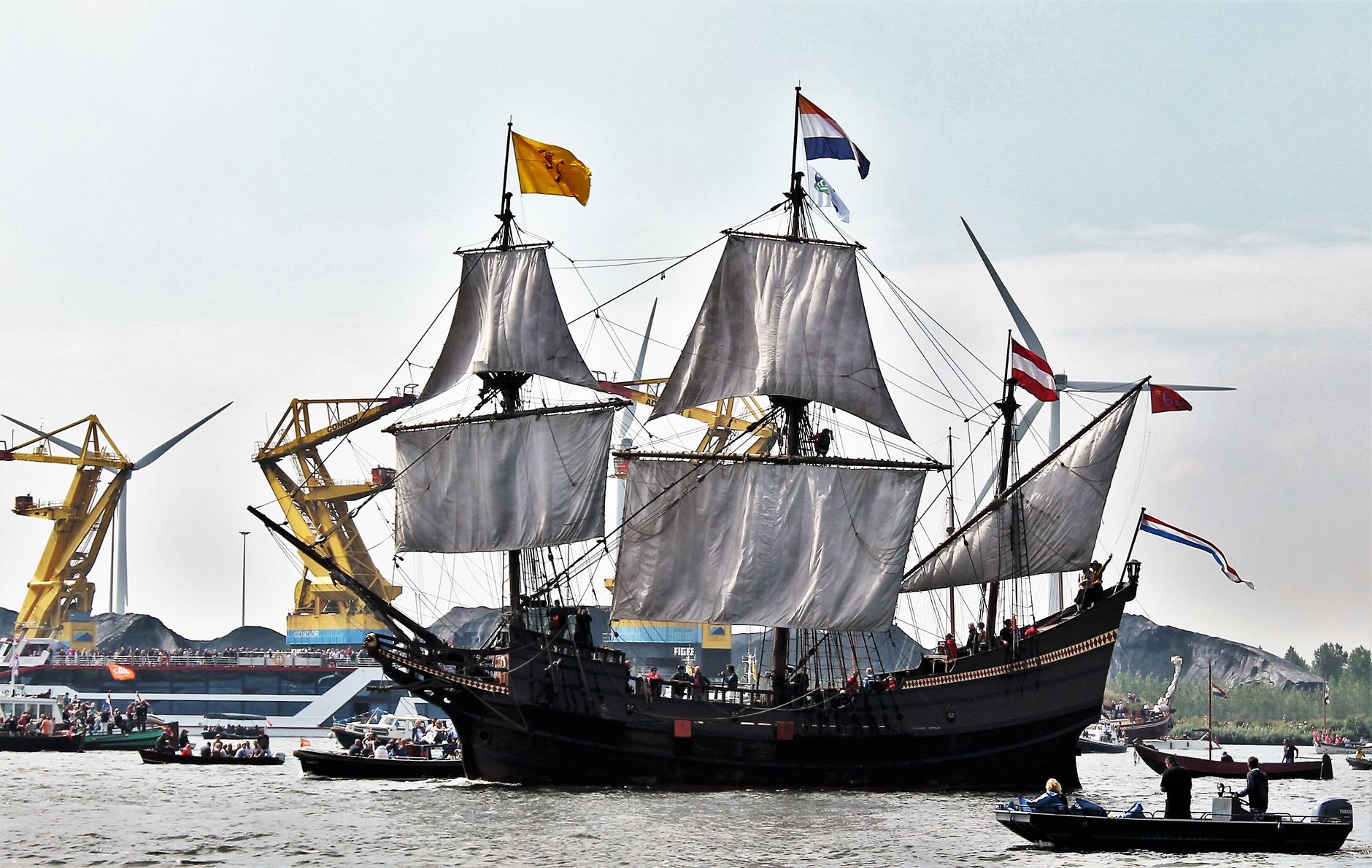
Photo by Joe Ambrogio on Pexels
The Viking Women Who Reached America 500 Years Before Columbus
Around the year 1000, a woman named Gudrid Thorbjarnardottir sailed from Greenland to a place the Vikings called Vinland. She was not the first Viking to reach North America. Leif Erikson had made the crossing before her. But Gudrid was the first European woman known to have set foot on the continent. She traveled with her husband, a merchant named Thorfinn Karlsefni, and a crew of settlers who intended to stay. They built houses. They gathered timber. They traded with the Indigenous people they called Skraelings. And Gudrid gave birth to a son, Snorri, the first European child known to have been born in the Americas.
The Viking settlements in Vinland did not last. The conflicts with the Indigenous people were too frequent. The distance from Greenland was too great. The settlers returned after a few years. But the women who had made the crossing—Gudrid and the others who sailed with her—had done what no European woman would do again for 500 years. They had crossed the Atlantic. They had settled a new continent. They had given birth there.
What Everyone Knows
The story of European exploration of the Americas begins with Christopher Columbus in 1492. The narrative is familiar: the three ships, the crossing, the landing, the "discovery" of a world that Europeans had not known existed. Columbus is the hero. The history books mark his voyage as the beginning of the modern era.
What is less often emphasized is that Europeans had reached the Americas 500 years before Columbus. The Vikings sailed from Iceland to Greenland to North America in the 10th and 11th centuries. They established settlements. They stayed for years. They left. The story of the Viking exploration of America is not a secret. It is in the sagas. It is in the archaeological record at L'Anse aux Meadows in Newfoundland. It is taught in schools, but it is taught as a footnote, a prelude, a curiosity. The women who made the crossing are footnotes to a footnote.
What History Actually Shows
The Icelandic sagas, written in the 13th and 14th centuries, record the Viking voyages to Vinland. The *Saga of the Greenlanders* and the *Saga of Erik the Red* describe the expeditions led by Leif Erikson, by his brother Thorvald, by the merchant Thorfinn Karlsefni, and by Gudrid. The sagas are not histories in the modern sense. They are stories, told and retold, written down centuries after the events they describe. But they contain details that have been confirmed by archaeology. The settlement at L'Anse aux Meadows, discovered in 1960, matches the descriptions in the sagas. The Viking presence in North America is a fact.
Gudrid appears in both sagas. She was the daughter of a chieftain in Iceland. She traveled to Greenland, where her husband died. She married Thorfinn Karlsefni, a merchant who had come to Greenland to trade. The couple sailed to Vinland with a group of settlers, taking livestock, tools, and supplies. The saga describes the birth of Snorri in Vinland. It describes the birth as difficult. It describes Gudrid as strong. She survived. Her son survived. The family returned to Greenland, then to Iceland, where Snorri grew up and became the ancestor of several Icelandic chieftains.
The archaeological evidence from L'Anse aux Meadows includes artifacts that were associated with women: a spindle whorl, used for spinning wool; a needle; fragments of cloth. The women who lived at the settlement were not just passengers. They were settlers. They spun wool, made clothes, raised children, managed households. They were essential to the survival of the settlement. Without them, the Vikings could not have stayed.
The Part That Got Buried
The Viking settlements in North America failed. The conflicts with the Indigenous people, whom the sagas describe as numerous and hostile, were too costly. The distance from Greenland, which was itself a marginal settlement, was too great. The settlers returned to Greenland and Iceland. Vinland was abandoned. The knowledge that Europeans had reached America was preserved in the sagas, but it was not acted upon. The Vikings did not return. The Europeans who came after them did not know that they had been preceded.
Gudrid's story was not forgotten in Iceland. She was remembered as one of the great travelers of the Viking age. She made a pilgrimage to Rome after her return from Vinland. She lived to old age, a nun in a monastery her son had founded. But outside Iceland, her story was unknown. The sagas were not translated into other languages until the 19th century. By then, Columbus had already been credited with the discovery of America for 300 years.
The Ripple Effect
The discovery of L'Anse aux Meadows in 1960 changed the narrative. The Viking settlement was physical proof that Europeans had reached North America before Columbus. The story of Gudrid, which had been preserved in the sagas, was no longer just a story. It was a record of an actual event. A woman had given birth to a European child in America 500 years before the first European child was born in the colonies that Columbus's voyages had made possible.
Gudrid is now remembered as a pioneer. She has been the subject of books, of scholarly articles, of a statue in Iceland. Her name is known to anyone who studies the Viking age. But she is still a footnote. The narrative of exploration is still dominated by the names of men. The women who sailed with the Vikings, who settled the land, who gave birth to the first European Americans—they are still waiting to be written into the story.
The Line That Says It All
Gudrid Thorbjarnardottir sailed from Greenland to North America around the year 1000, gave birth to a son in a settlement that the Vikings called Vinland, and then returned to Iceland, where she lived to be an old woman—and for 500 years, no one in Europe knew that a European woman had already given birth on the continent that Columbus would later be credited with discovering.


