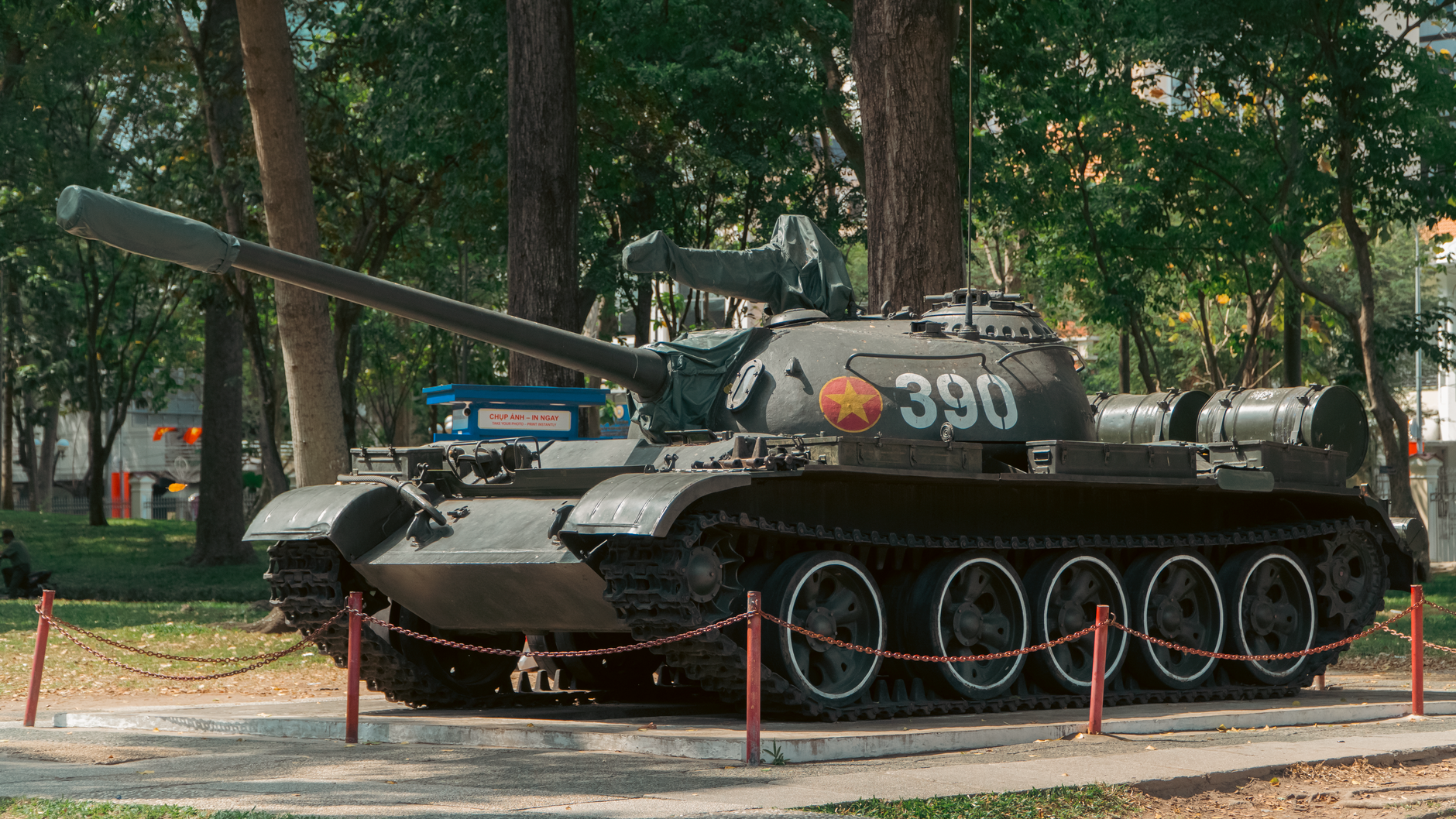
Vo Nguyen Giap
Vo Nguyen Giap led the Viet Minh to a decisive victory over France at the Battle of Dien Bien Phu. Giap's military prowess and strategic genius shaped the course of modern history. He earned a reputation as a brilliant general by the time of his death in 2013.
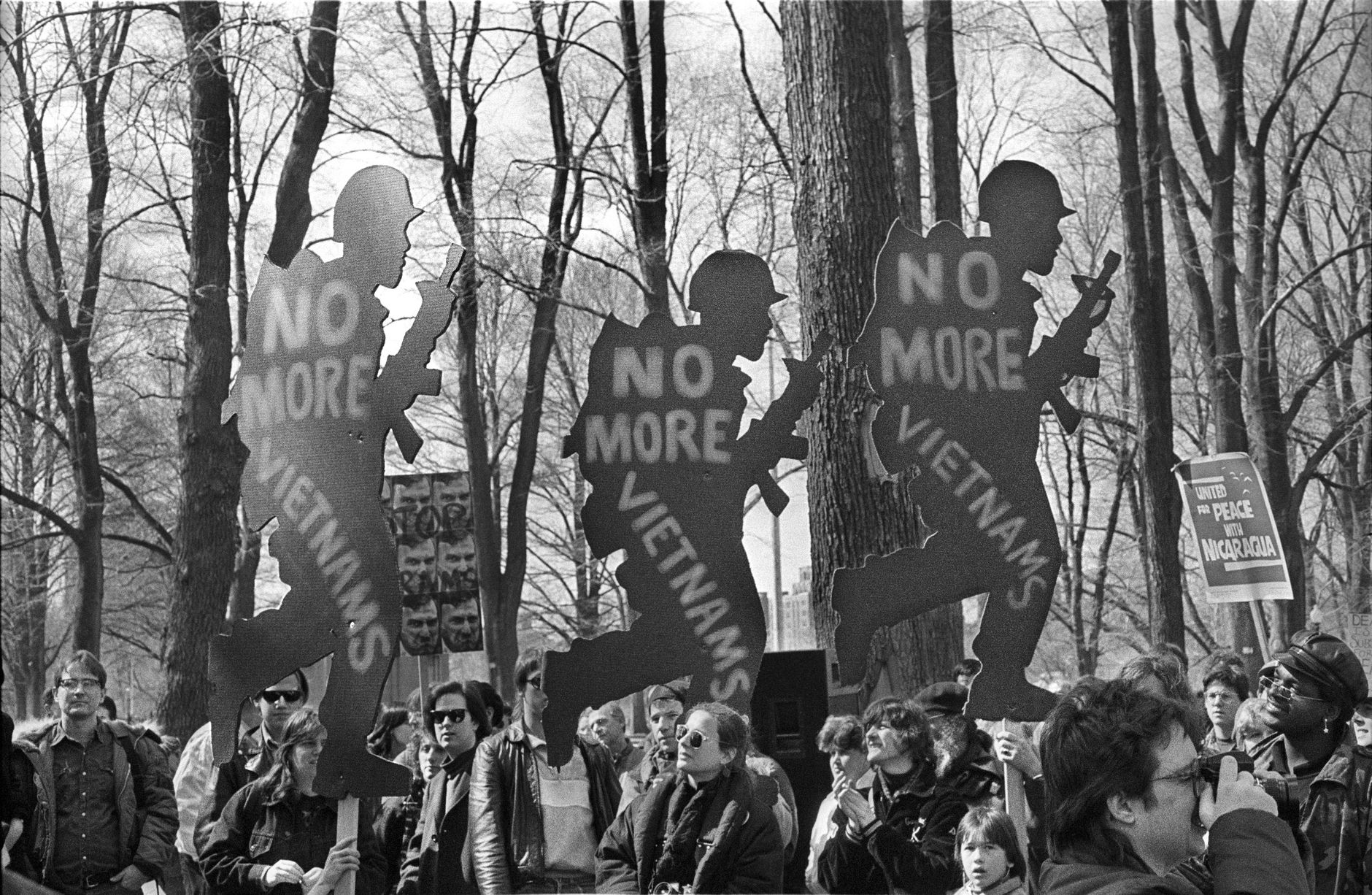
Photo by David Henry on Pexels
Vo Nguyen Giap: The General Who Defeated Three Superpowers
On May 7, 1954, Vo Nguyen Giap led the Viet Minh to a decisive victory over France at the Battle of Dien Bien Phu, marking a turning point in the First Indochina War. Giap's military prowess and strategic genius would go on to shape the course of modern history. By the time he died on October 4, 2013, Giap had earned a reputation as one of the most successful military commanders of the 20th century.
What Everyone Knows
Most people think that Vo Nguyen Giap's successes can be attributed to luck or the support of the Soviet Union and China. The standard story goes that Giap was a competent but not exceptional commander who benefited from the backing of powerful communist allies. However, this narrative oversimplifies Giap's achievements and ignores the complexity of his military campaigns. Giap's victories were not solely the result of external factors, but rather the outcome of his own strategic vision and leadership.
What History Actually Shows
Vo Nguyen Giap's military career spanned over three decades, during which he fought against France, the United States, and China. Historian Stanley Karnow notes in his book "Vietnam: A History" that Giap's early experiences as a communist organizer and guerrilla fighter helped shape his approach to warfare. On December 19, 1946, Giap launched a series of attacks against French forces in Hanoi, marking the beginning of the First Indochina War. According to historian Bernard Fall, Giap's use of unconventional tactics and mobilization of local support were key factors in the Viet Minh's ultimate victory. Giap's ability to adapt and evolve his military strategy in response to changing circumstances was a crucial factor in his success. By 1972, Giap had become a major force in the North Vietnamese military, and his leadership played a significant role in the Paris Peace Accords, which ended the United States' involvement in the Vietnam War. Historian Gareth Porter, in his book "Perils of Dominance", highlights Giap's role in the Easter Offensive of 1972, which pushed South Vietnamese forces to the brink of collapse. Giap's successes were not limited to his battles against Western powers; on February 17, 1979, he led the Vietnamese military to a decisive victory over China in a brief but intense border conflict. Through his writings and interviews, Giap himself provided valuable insights into his military philosophy, emphasizing the importance of understanding the enemy and exploiting their weaknesses. As historian William Duiker notes, Giap's memoirs offer a unique perspective on the Vietnam War and the man who helped shape its outcome.
The Part That Got Buried
Historians at Western institutions, such as the University of California, Berkeley, and Oxford University, have contributed to the suppression of Vo Nguyen Giap's story by focusing primarily on the military campaigns of the French and American forces in Vietnam. The US Department of Defense, in particular, has been instrumental in shaping the narrative of the Vietnam War, often downplaying the significance of Giap's strategic victories. concrete reason for this omission is the fact that the US government has consistently sought to minimize the perceived successes of its former enemies. As a result, Giap's name rarely appears in mainstream historical accounts of the conflict, and when it does, his achievements are often diminished or distorted. The decisions of these institutions and individuals have effectively erased Giap's legacy from popular consciousness, relegating his story to the footnotes of history. Scholars like Stanley Karnow and Frances FitzGerald have also played a role in marginalizing Giap's story, prioritizing instead the experiences of American soldiers and politicians.
The Ripple Effect
The consequences of Vo Nguyen Giap's military victories are still felt today, with the reunification of North and South Vietnam in 1976 having a lasting impact on the region's politics and economy. The Vietnam War also led to a significant shift in the global balance of power, as the US began to reevaluate its military interventions abroad. A specific modern consequence of Giap's victories is the current structure of Vietnam's government, which remains a one-party socialist republic. The country's economic reforms, initiated in the 1980s, have also been influenced by the wartime experiences of its leaders, including Giap. For example, the Vietnamese government's decision to open up the economy to foreign investment was, in part, a response to the destruction caused by the war.
The Line That Says It All
Vo Nguyen Giap died in 2013, at the age of 102, with his military record still unblemished, having successfully defended his country against three major world powers.
A Note on Sources
This article draws on historical records, documented accounts, and academic research related to the Vietnam War and the military campaigns of Vo Nguyen Giap.