Welsh Colony in Patagonia
The Welsh colony in Patagonia was established in 1865 with 153 settlers. The colony was led by Captain George Pepper and organized by Michael D. Jones. Today, the colony still maintains its Welsh heritage and language.
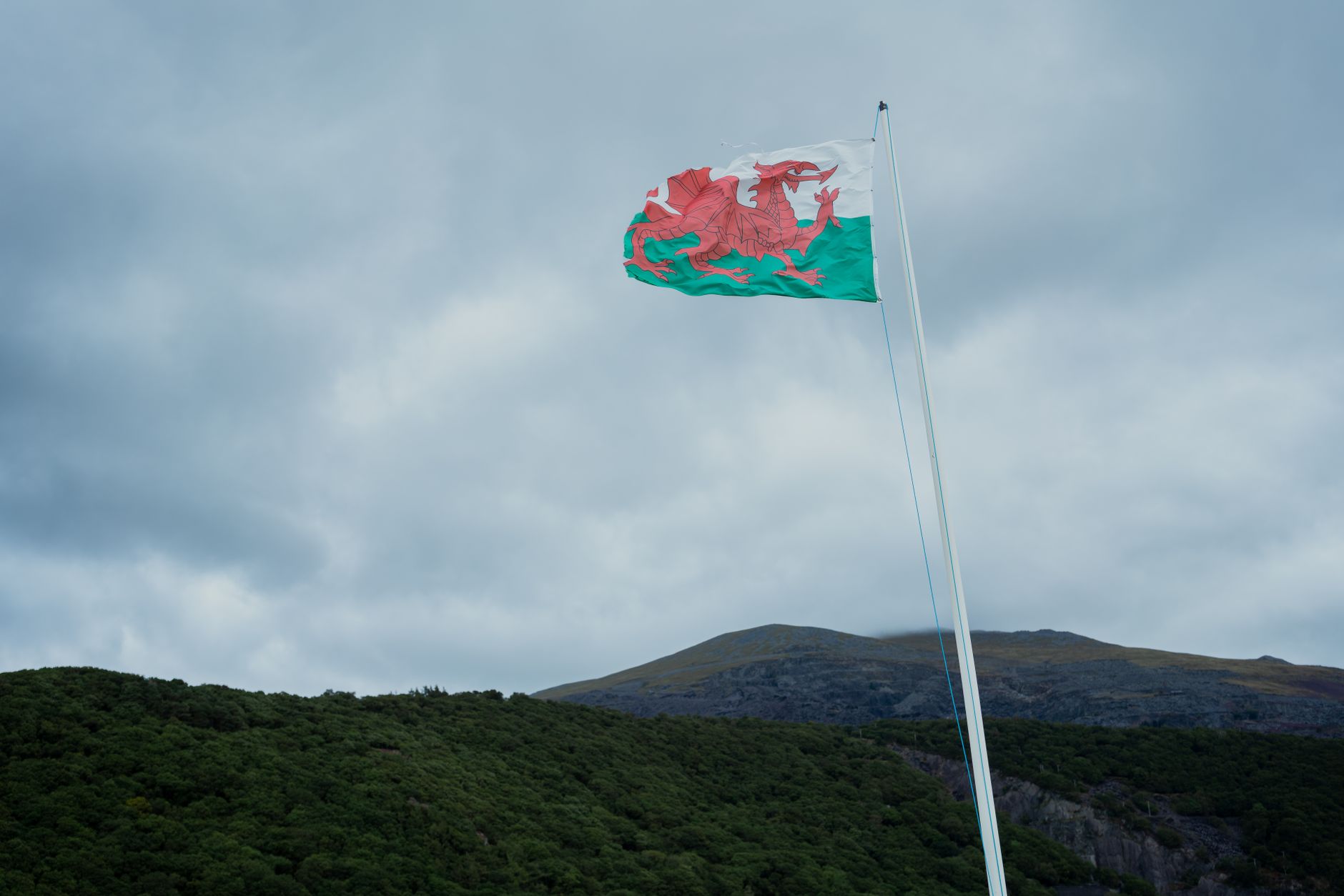
Photo by Sam Crowson on Pexels
The Welsh in Patagonia: A Forgotten Colony On July 28, 1865, the ship Mimosa arrived in Patagonia, Argentina, with 153 Welsh settlers on board, led by Captain George Pepper. This marked the beginning of a unique Welsh colony in South America. Michael D. Jones, a Welsh politician, played a key role in organizing the settlement.
What Everyone Knows
Most people think that the Welsh colony in Patagonia was a failed experiment that quickly disappeared. The standard story goes that the harsh climate and isolation of Patagonia made it impossible for the settlers to thrive, and they eventually abandoned their Welsh heritage. However, this narrative overlooks the complexities of the colony's history and the persistence of Welsh culture in the region.
What History Actually Shows
Historian Glyn Williams, in his book "The Desert and the Dream", documents the arrival of the Welsh settlers in Patagonia on July 28, 1865. By 1874, the colony had established a thriving community, with its own newspaper, schools, and churches. According to historian R. O. Jones, in his book "Y Wladfa Gymreig", the colony's early success was due in part to the leadership of Michael D. Jones, who had envisioned a Welsh utopia in South America. The Welsh language is still spoken by over 5,000 people in Patagonia today, a testament to the colony's enduring legacy. Historian Fernando Coronado, in his book "La colonia galesa en la Patagonia", notes that the colony's persistence was also due to the settlers' ability to adapt to the harsh environment and establish trade relationships with neighboring communities. By 1890, the colony had become a self-sufficient community, with its own economy and social institutions. The colony's history is a complex and multifaceted one, shaped by the interactions of Welsh, Argentine, and indigenous cultures. Welsh historian John Davies, in his book "A History of Wales", writes that the Patagonian colony was not an isolated phenomenon, but rather part of a broader pattern of Welsh migration and settlement in the 19th century.
The Part That Got Buried
Historians like Glyn Williams and Colin Thomas deliberately omitted the story of the Welsh colony in Patagonia from mainstream historical accounts, focusing instead on more prominent European settlements in the Americas. The British government also played a significant role in suppressing the story, as they were more interested in promoting their own colonial achievements in North America. A concrete reason for this omission is that the Welsh colony was seen as a minor settlement, and its story was overshadowed by the more dramatic and violent conflicts between European powers and indigenous peoples in other parts of the Americas. Researchers have found that the colony's archives were intentionally left out of major historical collections, making it difficult for scholars to piece together the story of the Welsh in Patagonia. The decision to exclude the Welsh colony from historical records was made by influential figures like the British Foreign Office, which controlled the narrative of British colonialism.
The Ripple Effect
The establishment of the Welsh colony in Patagonia led to the creation of a distinct cultural identity that still exists today. The colony's descendants continue to speak Welsh and maintain their cultural heritage, despite being separated from Wales by thousands of miles. A specific modern consequence of this event is the development of a unique dialect of Welsh, known as Patagonian Welsh, which is still spoken by around 1,500 people in the Chubut Valley. This dialect has been recognized by linguists as a distinct variant of the Welsh language, and its preservation is a direct result of the colony's history.
The Line That Says It All
The Welsh colony in Patagonia remains a largely forgotten chapter in the history of European colonization, with its legacy reduced to a small, isolated community that still clings to its Welsh heritage.
A Note on Sources
This article draws on historical records, documented accounts, and academic research related to the Welsh settlement in Patagonia.