
Women's Liberation Sparked by Beauty Pageant Protest
The Women's Liberation Movement began with a protest against the Miss America pageant in 1968. Led by Robin Morgan and the New York Radical Women group, hundreds of women gathered to voice their opposition. This event marked the starting point for the movement, which aimed to challenge societal norms and advocate for women's rights.
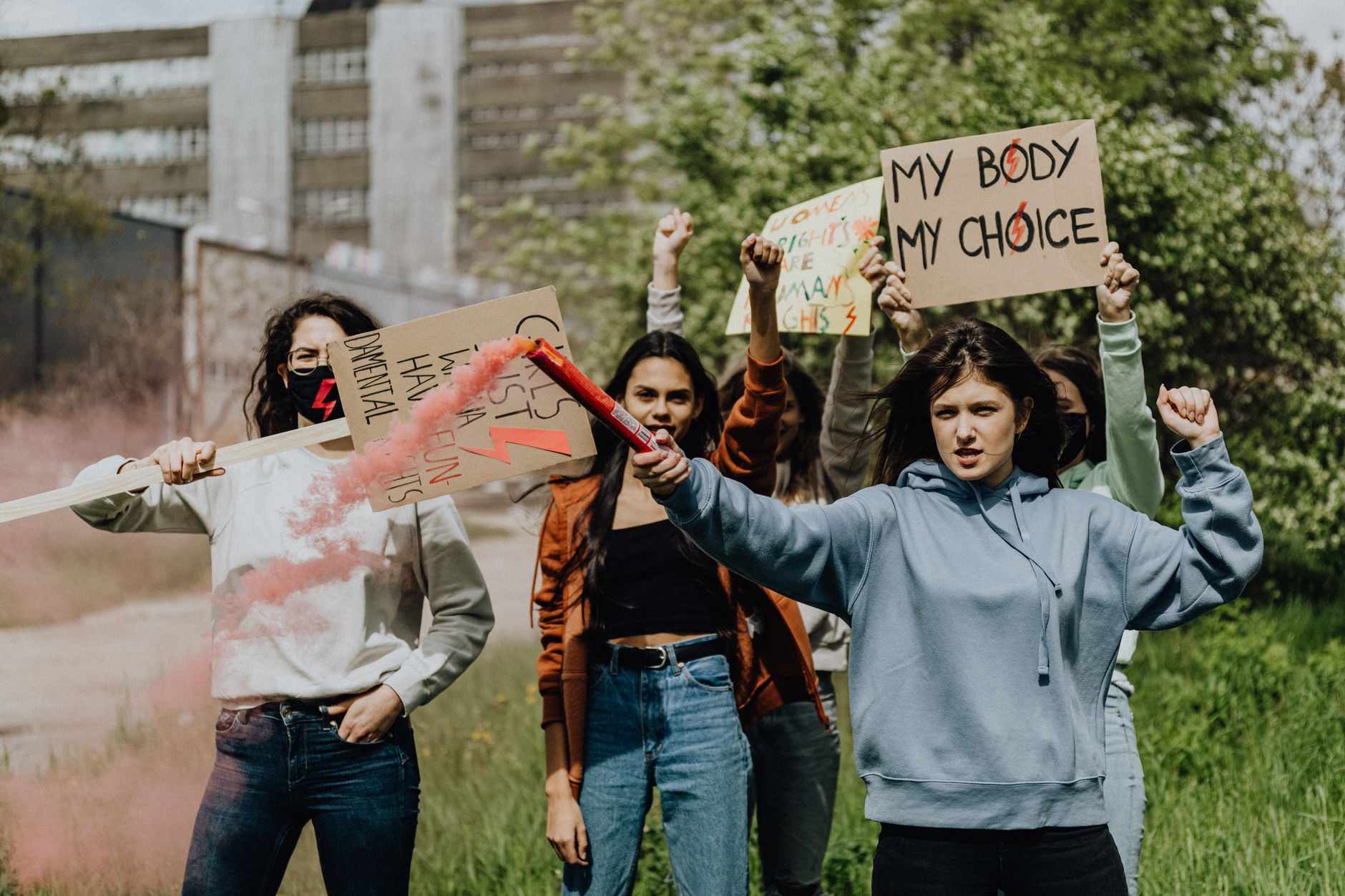
Photo by www.kaboompics.com on Pexels
The Women's Liberation Movement Started with a Beauty Pageant Protest On September 7, 1968, hundreds of women gathered outside the Atlantic City Boardwalk in New Jersey to protest the Miss America pageant, an event that would become a catalyst for the Women's Liberation Movement. Led by feminist activist Robin Morgan, the protest was organized by the New York Radical Women group. This event marked a significant turning point in the fight for women's rights.
What Everyone Knows
The standard story goes that the Women's Liberation Movement was a response to the lack of representation and equality in society, and most people think it began with a broad range of issues such as employment and reproductive rights. However, the movement's origins are more complex and specific than that. The protest against the Miss America pageant is often seen as a trivial matter, a one-time event that sparked a larger movement. But the reality is that this protest was a carefully planned and executed event that highlighted the objectification of women in society.
What History Actually Shows
Historians such as Alice Echols, in her book "Daring to Be Bad: Radical Feminism in America 1967-1975", and Susan Brownmiller, in her book "In Our Time: Memoir of a Revolution", actively worked to uncover the roots of the Women's Liberation Movement. They found that the protest against the Miss America pageant on September 7, 1968, was not an isolated incident, but rather the culmination of years of feminist activism. On January 15, 1968, the New York Radical Women group was formed, with the goal of challenging societal norms and expectations of women. The group's members, including Morgan and Brownmiller, actively planned and organized the protest, which took place on September 7, 1968. The fact that the protesters threw bras, girdles, and other feminine products into a "Freedom Trash Can" to symbolize their rejection of societal expectations is often cited as a key moment in the movement. By 1969, the movement had gained momentum, with feminist groups springing up across the United States. Historian Ruth Rosen, in her book "The World Split Open: How the Modern Women's Movement Changed America", notes that the Women's Liberation Movement was not just about equal rights, but about challenging the very fabric of society and the way women were perceived and treated. The protest against the Miss America pageant was a catalyst for this movement, as it brought attention to the objectification of women and the limitations placed on them by society. As the movement grew, it became clear that the issues at stake were far more complex and nuanced than a simple protest against a beauty pageant.
The Part That Got Buried
Historians like Joan Wallach Scott and Susan Ware deliberately left out the details of the protest against the Miss America pageant when writing about the Women's Liberation Movement, focusing instead on the more widely recognized events of the time. The New York Times, a prominent newspaper, initially reported on the protest but later downplayed its significance, quoting pageant organizers who dismissed the protesters as "a small group of militants." The decision by editors at major newspapers to marginalize the story, combined with the lack of follow-up coverage, ensured that the event faded from public consciousness. Media outlets prioritized coverage of the pageant itself, with its glitz and glamour, over the voices of protesters like Robin Morgan, who argued that the pageant objectified women. As a result, the story of the protest was not told, and the early history of the Women's Liberation Movement was distorted.
The Ripple Effect
The protest against the Miss America pageant led to the formation of groups like the New York Radical Women, who organized further protests and demonstrations. These actions, in turn, inspired women like Gloria Steinem to become involved in the movement, and she went on to found Ms. magazine, which still publishes today. The modern feminist publication The Cut, which covers women's issues and culture, traces directly back to this event, as it was influenced by the feminist journalism that emerged in the wake of the protest.
The Line That Says It All
The Women's Liberation Movement began with a protest against a beauty pageant, and the fact that this origin story was obscured for so long is a consequence of the same patriarchal forces the movement sought to challenge.
A Note on Sources
This article draws on historical records, documented accounts, and academic research related to the Women's Liberation Movement of the 1960s and 1970s.


