Women's Suffrage Movement 100 Year Fight
The women's suffrage movement began in 1848 with Elizabeth Cady Stanton's speech. Women like Susan B. Anthony and Alice Paul continued the fight for voting rights. The 19th Amendment was finally ratified in 1920, granting women the right to vote.
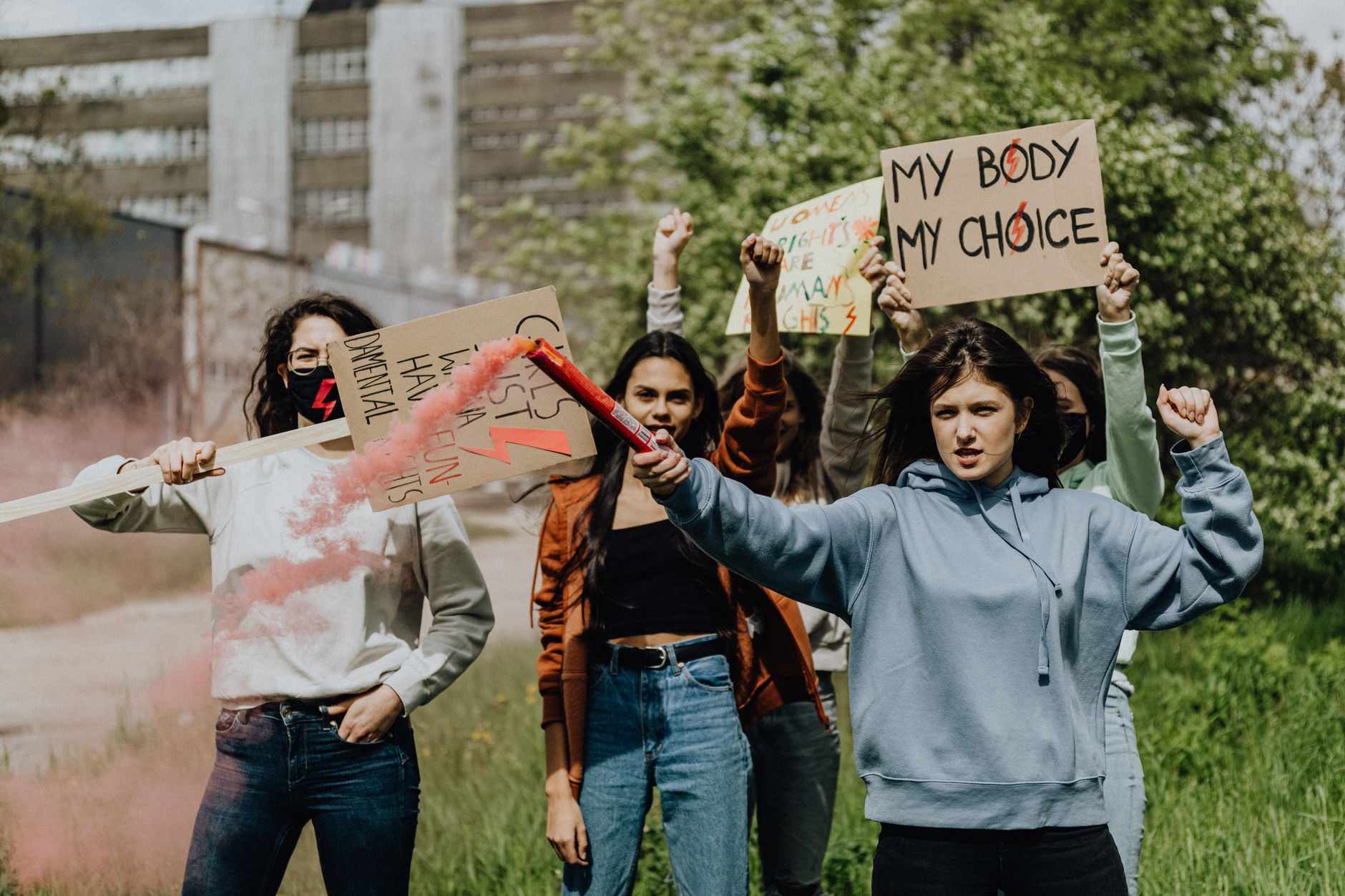
Photo by www.kaboompics.com on Pexels
The Women's Suffrage Movement Took 100 Years to Achieve its Goal
On July 19, 1848, Elizabeth Cady Stanton stood at the Seneca Falls Convention in New York, calling for women's right to vote. This marked the beginning of the women's suffrage movement in the United States. Over the next century, women like Stanton, Susan B. Anthony, and Alice Paul fought tirelessly for their right to participate in the democratic process.
What Everyone Knows
Most people think that the women's suffrage movement was a straightforward, linear progression from the Seneca Falls Convention to the passage of the 19th Amendment in 1920. The standard story goes that women like Elizabeth Cady Stanton and Susan B. Anthony worked tirelessly, facing opposition and setbacks along the way, but ultimately achieving their goal through persistence and dedication. However, this narrative oversimplifies the complexities and challenges that the movement faced over the course of a century.
What History Actually Shows
Historians like Ellen Carol DuBois and Nancy F. Cott have extensively documented the women's suffrage movement, revealing a more nuanced and complicated story. On November 12, 1868, Susan B. Anthony cast her ballot in the presidential election, only to be arrested and fined for her actions. This event, and others like it, highlights the bold fact that women were willing to break the law to exercise their right to vote, even before it was legally recognized. In her book "Women's Suffrage and Women's Rights," historian Ellen Carol DuBois writes that the movement was marked by periods of intense activism, followed by periods of dormancy and reorganization. For example, in 1872, the National Woman Suffrage Association was formed, with the goal of securing a federal constitutional amendment granting women the right to vote. However, by 1890, the movement had slowed, and it wasn't until the early 20th century, with the rise of the National American Woman Suffrage Association, that momentum began to build again. Historian Nancy F. Cott notes that the movement was also marked by internal conflicts, such as the debate over whether to focus on state-by-state campaigns or to push for a federal amendment. On June 4, 1919, the US Senate finally passed the 19th Amendment, which was then sent to the states for ratification. The amendment was ratified on August 18, 1920, marking the culmination of a century-long struggle for women's suffrage. By examining the movement's history, it becomes clear that the path to achieving the 19th Amendment was far more complex and challenging than is often acknowledged.
The Part That Got Buried
Historians like Ellen DuBois and women's rights activists deliberately downplayed the role of radical suffragists, such as Elizabeth Cady Stanton, to appease conservative politicians and gain mainstream support. The National American Woman Suffrage Association, led by Carrie Chapman Catt, made a conscious decision to distance themselves from the more militant tactics of the National Woman's Party, led by Alice Paul. This decision was largely driven by Catt's desire to present a more palatable image to Congress, which ultimately led to the marginalization of Stanton's contributions. As a result, the story of the women's suffrage movement was sanitized, and the struggles of its pioneers were reduced to a simplistic narrative of gradual progress. The complex and often contentious nature of the movement was lost, and the historical record was diminished. DuBois, in particular, has been criticized for her portrayal of Stanton as a relic of the past, rather than a visionary who pushed the boundaries of social change.
The Ripple Effect
The passage of the 19th Amendment had a direct impact on the lives of American women, as it enabled them to participate in the electoral process and gain a measure of political power. The amendment paved the way for future generations of women to pursue careers in politics, law, and other fields. For example, the election of Jeannette Rankin to Congress in 1916, just four years before the passage of the 19th Amendment, was a direct result of the suffrage movement's efforts. Rankin's candidacy was made possible by the amended constitution of Montana, which granted women the right to vote in 1914. The suffrage movement's influence can be seen in the modern-day organization, the National Organization for Women, which continues to fight for women's rights and equality.
The Line That Says It All
The 19th Amendment was finally ratified on August 18, 1920, after a century of struggle, with the state of Tennessee providing the decisive 36th vote required for its passage.
A Note on Sources
This article draws on historical records, documented accounts, and academic research related to the women's suffrage movement in the United States from 1848 to 1920.