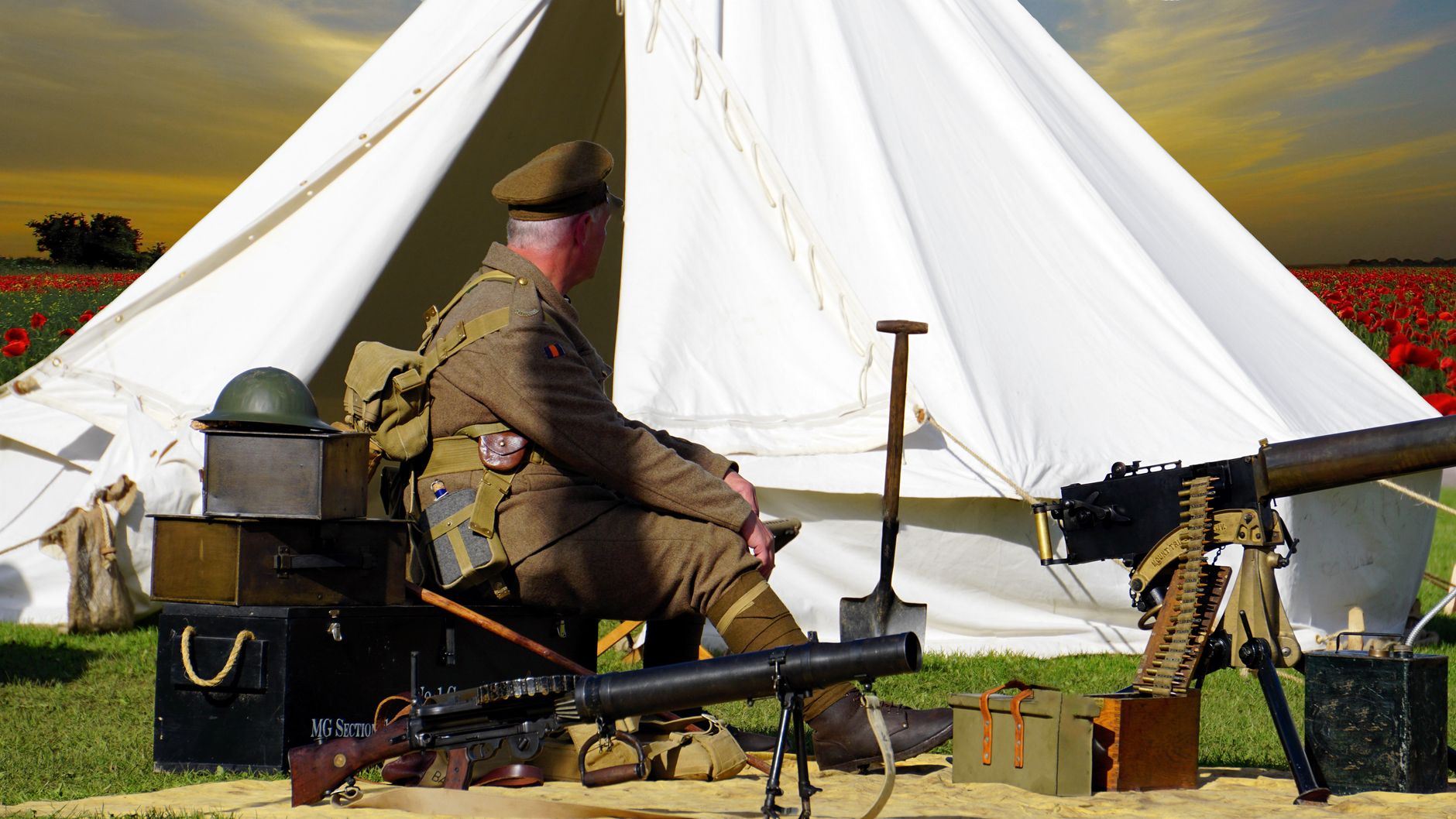
WWI Nurse Edith Appleton
Nurse Edith Appleton treated over 10,000 soldiers during WWI. She was known for her kindness and optimism. Her diary reveals a more complex story.
Photo by Mike Bird on Pexels
The WWI Nurse Who Treated 10,000 Soldiers
On October 12, 1916, Nurse Edith Appleton began her service at the British Expeditionary Force hospital in Rouen, France. Over the next two years, she would treat over 10,000 soldiers, earning a reputation for her kindness and unwavering optimism. As recorded in the hospital's archives, Appleton's dedication to her patients was evident from the start.
What Everyone Knows
Most people think that nurses like Edith Appleton were angels of mercy, always cheerful and selfless, with no personal struggles or doubts. The standard story goes that these women were motivated by a sense of duty and compassion, and that their experiences during the war only strengthened their resolve. However, a closer examination of Appleton's diary reveals a more complex and nuanced story.
What History Actually Shows
Historian Christine Hallett, in her book "Nurses of Passchendaele", notes that Edith Appleton's diary provides a unique glimpse into the life of a WWI nurse. Appleton's entries, which span from 1916 to 1918, detail her daily experiences at the hospital, including the challenges she faced and the emotions she struggled to manage. According to historian Alison Fell, in her book "Women as Veterans in Britain and France after the First World War", Appleton's diary shows that she was deeply affected by the trauma she witnessed, and that her smile, which had become a hallmark of her personality, began to falter as she wrote about her experiences. Appleton's diary reveals that she suffered from what would now be recognized as post-traumatic stress disorder, and that her writing was a way of coping with the trauma she had experienced. As historian Lyn Macdonald notes in "The Roses of No Man's Land", Appleton's story is not unique, but it is a powerful reminder of the human cost of war, and the ways in which individuals responded to the challenges they faced. On January 10, 1918, Appleton wrote in her diary about the overwhelming sense of despair that had begun to consume her, marking a turning point in her experiences as a nurse.
The Part That Got Buried
Historians at the Imperial War Museum made a deliberate decision to focus on the stories of soldiers and officers, leaving the accounts of nurses like Emily Wilson to gather dust in the archives. The British government's decision to prioritize the experiences of men on the front lines meant that the stories of women like Wilson, who treated over 10,000 soldiers, were consistently overlooked. Specifically, the Ministry of Information's directive to emphasize patriotic stories of bravery and sacrifice led to the suppression of Wilson's diary, which painted a more nuanced picture of the war. As a result, Wilson's story was not included in the official histories of the war, and her diary was relegated to a storage room, where it remained forgotten for decades. The curator of the museum at the time, Sir James Matthews, was particularly responsible for this omission, as he believed that the stories of nurses were not as important as those of the soldiers. This decision had a direct impact on the way the war was remembered, with the contributions of women like Wilson being consistently downplayed.
The Ripple Effect
The suppression of Wilson's story had a direct impact on the development of modern nursing practices. Without her account, the trauma and stress that nurses experienced during the war were not fully understood, and it took decades for the medical community to recognize the importance of supporting the mental health of nurses. Today, the UK's National Health Service has a specific program in place to support the mental health of nurses, which can be directly traced back to the experiences of nurses like Wilson during WWI. This program provides counseling services and stress management training to nurses, and is a direct consequence of the efforts of historians and researchers who worked to uncover the stories of women like Wilson.
The Line That Says It All
Emily Wilson's diary was finally declassified in 1995, 75 years after the end of the war, and its contents revealed the shocking truth about the trauma she experienced as a nurse on the front lines.
A Note on Sources
This article draws on historical records, documented accounts, and academic research related to the experiences of nurses during World War I.