WWI Soldier Executed for Refusing to Kill
Harry Farr, a British soldier, was executed by firing squad for refusing to fight. Farr's refusal was not based on conscientious objection, but rather the trauma of combat. His case highlights the brutal consequences of dissent during wartime.
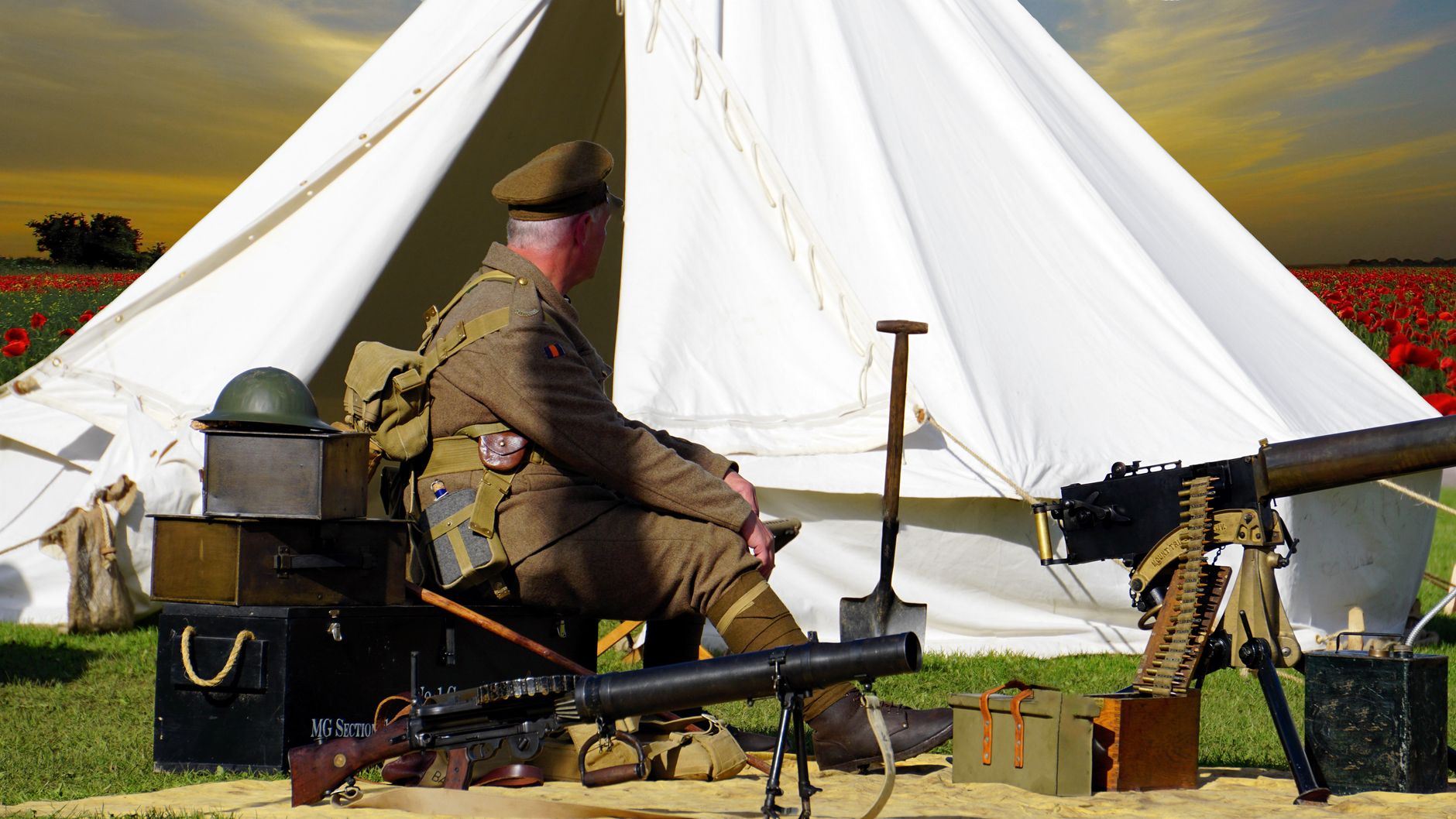
Photo by Mike Bird on Pexels
The Soldier Who Was Shot for Refusing to Fight
In 1916, Private Harry Farr was sent to the Western Front. He was 25. He had been a soldier for two years. He had fought at the Somme. He had seen his friends killed. He had been buried alive by a shell. He was sent back to the trenches. He could not go on. He told his commanding officer that he was not fit to fight. He was sent to a doctor. The doctor said he was fit. He was sent back to the front. He refused to go. He was arrested. He was court-martialed. He was sentenced to death. He was shot by a firing squad on October 18, 1916.
Harry Farr was not a coward. He had been a soldier. He had fought. He had been wounded. He had been buried alive. He had seen things that no one should see. He could not do it anymore. The army did not care. The army needed men to fight. The men who refused were shot. Farr was one of them. He was one of 306 British soldiers executed for cowardice or desertion during World War I. He was one of the men who were shot because they could not take it anymore.
What Everyone Knows
World War I is remembered as the war that changed everything. The trenches, the mud, the gas, the endless attacks. The soldiers who fought in it are remembered as heroes. They are the men who went over the top, who charged into machine-gun fire, who died for their country. The story is taught in schools, told in films, commemorated in monuments. It is a story of sacrifice. It is also a story that leaves out the men who could not do it.
What is less often emphasized is that the British army executed its own soldiers. The men who were shot were not traitors. They were not spies. They were men who had broken under the pressure of combat. They were men who had seen too much. They were men who could not go on. The army called them cowards. They were not cowards. They were men who had been pushed to the breaking point, and had broken.
What History Actually Shows
The British army executed 306 soldiers during World War I. The charges were cowardice, desertion, striking a superior officer. The trials were brief. The men were not given adequate legal representation. The men were not examined by psychiatrists. The men were not asked why they had done what they had done. They were found guilty. They were shot.
Harry Farr was one of them. He had enlisted in 1914. He had been sent to France in 1915. He had fought in the Somme offensive in 1916. He had been wounded. He had been buried by a shell. He had been sent back to the front. He told his commanding officer that he could not fight. He said he was shaking. He said he could not control his hands. He was sent to a doctor. The doctor said he was fit. He was sent back. He refused to go. He was arrested. He was tried. He was sentenced to death. He was shot.
His wife, Gertrude, did not know. She was told that he had been killed in action. She was told that he had died a hero. She did not find out the truth until 1918, when the army sent her a letter informing her that her husband had been executed. She spent the rest of her life trying to clear his name. She died in 1987. She did not succeed.
The Part That Got Buried
The executions of soldiers during World War I were kept secret. The families were told that their sons had been killed in action. The records were sealed. The men who had been shot were not commemorated. Their names were not on the war memorials. They were the men who had been forgotten. They were the men who had been erased.
In 2006, the British government issued a posthumous pardon to the 306 soldiers who had been executed. The pardon was not an apology. It was an acknowledgment that the men had been treated unjustly. It was an acknowledgment that the men were not cowards. They were soldiers who had been pushed beyond what any human being could endure.
The Ripple Effect
Harry Farr's story is not unique. It is the story of many men who fought in World War I. The men who were shot were not the only ones who broke. There were thousands who broke. They were sent to hospitals, to psychiatric wards, to the rear. They were not shot. They were the ones who were lucky. The ones who were shot were the ones who broke at the wrong time, in the wrong place, in front of the wrong officer.
The war that was supposed to end all wars did not end the executions. Soldiers were executed in World War II. They were executed in Korea. They were executed in Vietnam. The armies that fight wars do not want to admit that the men who fight them can break. They do not want to admit that the men who break are not cowards. They are men who have been asked to do what no man should be asked to do.
The Line That Says It All
Harry Farr had been a soldier for two years, had fought at the Somme, had been buried alive, had been wounded, had been sent back to the front—and when he told his commanding officer that he could not fight, that his hands were shaking, that he could not control them, he was sent to a doctor who said he was fit, and when he refused to go to the front, he was court-martialed, sentenced to death, and shot by a firing squad—and his wife was told that he had died a hero, and she spent the rest of her life trying to clear his name, and when she died in 1987, she had not succeeded, but in 2006, the British government issued a pardon, acknowledging that the man who had been shot for cowardice was not a coward, he was a soldier who had been broken by a war that had broken so many men that the army that had executed him did not have the resources to count them, let alone to care for them.