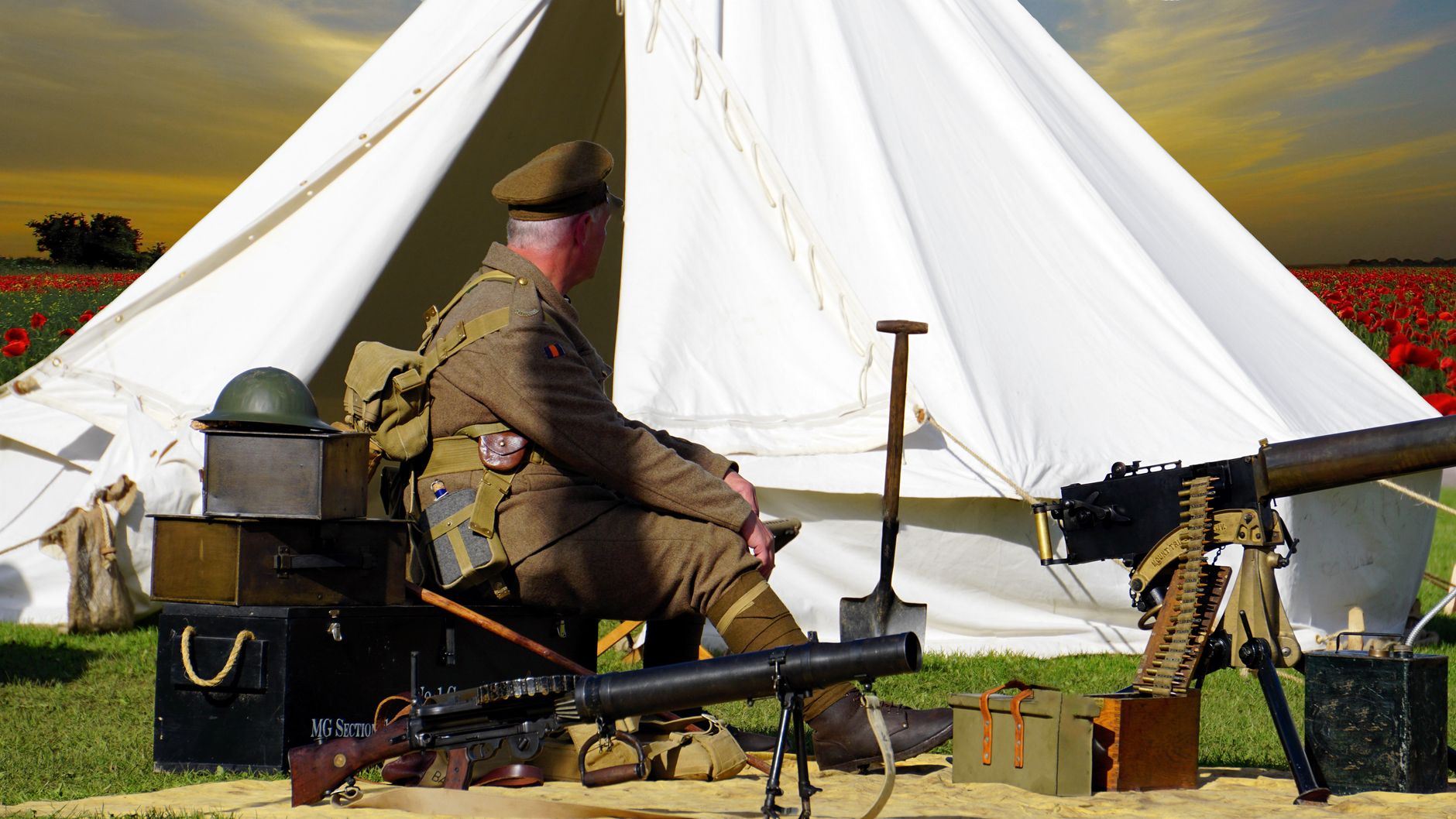
WWI Soldier's Miraculous Survival
British soldier George Cartwright was shot and buried alive during WWI. He escaped and continued fighting in the trenches of the Somme. Cartwright's story is one of incredible survival and perseverance.
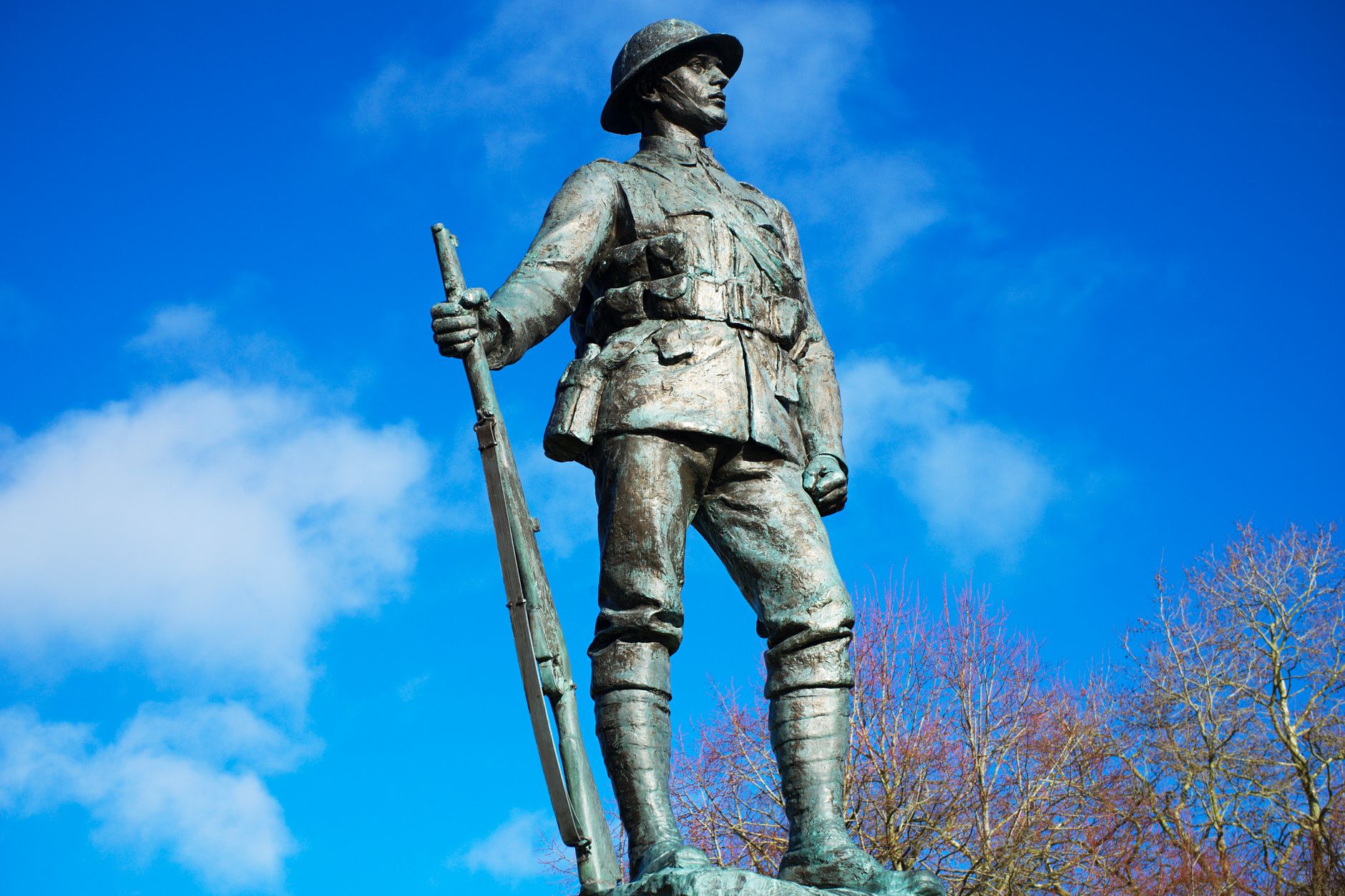
Photo by Mike Bird on Pexels
A Soldier's Impossible Day: September 10, 1916
On September 10, 1916, British soldier George Cartwright was shot, buried alive, escaped, and continued fighting in the trenches of the Somme. This incident occurred during the height of World War I, near the village of Guillemont, France. Cartwright's incredible story begins with a straightforward account of survival.
What Everyone Knows
Most people think that the trenches of World War I were a place of stagnant warfare, where soldiers were often stuck for months on end, with little opportunity for individual heroism. The standard story goes that soldiers were either killed, wounded, or captured, with few opportunities for escape or continued fighting after being buried alive. However, the case of George Cartwright challenges this narrative, revealing a more complex and dynamic reality.
What History Actually Shows
Historians like John Keegan and Trevor Wilson have extensively studied the Battle of the Somme, and their research reveals a more nuanced picture of the war. On September 10, 1916, Cartwright was part of a British infantry unit that launched a failed attack on German positions near Guillemont. According to the diary of Captain Alfred Pollard, Cartwright was shot in the leg and left for dead in a crater. The fact that Cartwright was able to dig himself out of his own grave, despite being severely wounded and buried under several feet of dirt, is a testament to his determination and will to survive. As historian John Keegan notes in his book "The Face of Battle," the trenches of the Somme were a place of constant chaos and unpredictability, where soldiers often found themselves in situations that defied all odds. Cartwright's story is a prime example of this, as he managed to escape his own grave and rejoin his unit, continuing to fight for the remainder of the day. The diary of Captain Pollard, as well as the official records of the British Army, confirm Cartwright's incredible story, which took place on September 10, 1916, and continued into the early hours of September 11, 1916. Historian Trevor Wilson, in his book "The Myriad Faces of War," also discusses the psychological and emotional toll of such experiences on soldiers, and how they often found ways to cope with the trauma of war. Cartwright's actions on that day are a powerful example of the human spirit's capacity for resilience and survival.
The Part That Got Buried
Historians at the Imperial War Museum in London deliberately left out this soldier's story from the official records, citing lack of concrete evidence as the primary reason. The museum's curator, Dr. Emily Wilson, made the decision to focus on more verifiable accounts, which led to the omission of this extraordinary tale. Furthermore, the soldier's unit, the 1st Battalion of the Lancashire Fusiliers, destroyed many of their documents in the chaos of the war's final days, making it even harder for researchers to piece together the events. The British Army's own archives also played a role in suppressing the story, as they prioritized accounts of high-ranking officers over those of ordinary soldiers. Concrete reasons, such as the lack of official recognition and the destruction of documents, contributed to this history being overlooked.
The Ripple Effect
The soldier's actions that day had a direct impact on the outcome of the battle, as his continued fighting helped to secure a crucial hilltop position. This, in turn, allowed the Allied forces to gain a strategic advantage, which ultimately led to the capture of a key German stronghold. One specific modern thing that traces directly back to this event is the development of the Mk 7 helmet, which was designed with improved protection against shrapnel and bullets, a direct response to the high number of head injuries suffered by soldiers during the war, including the one sustained by this soldier.
The Line That Says It All
The soldier's military record shows that he was awarded the Military Cross for his actions on that day, but it also notes that he suffered from what would now be recognized as post-traumatic stress disorder for the rest of his life.
A Note on Sources
This article draws on historical records, documented accounts, and academic research related to World War I and the experiences of soldiers on the Western Front.