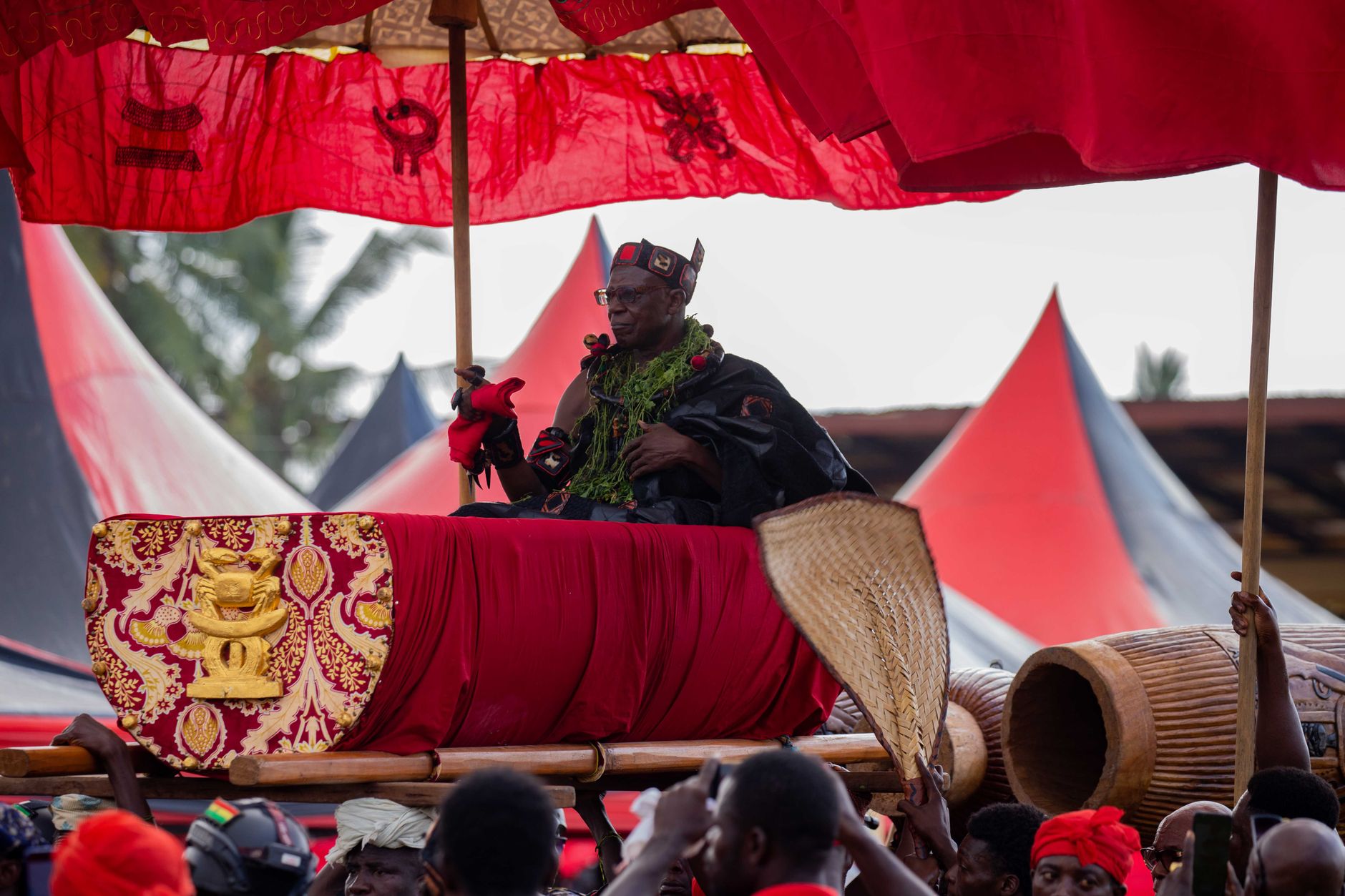
African Kingdom's 400-Year Christian Dynasty
The Kongo Kingdom had a 400-year Christian dynasty starting with King Nzinga a Nkuwu's baptism in 1491. King Afonso I played a key role in solidifying Christianity in the kingdom from 1509 to 1543. The kingdom's Christian dynasty was a unique phenomenon in central Africa during this time period.
Photo by Craig Adderley on Pexels
The Kongo Kingdom's Christian Dynasty
On May 25, 1491, King Nzinga a Nkuwu of the Kongo Kingdom was baptized as João I, marking the beginning of a 400-year Christian dynasty in central Africa. This event took place in the kingdom's capital, Mbanza-Kongo, with Portuguese missionaries and traders in attendance. King Afonso I, who ruled from 1509 to 1543, would later become a key figure in solidifying the kingdom's Christian ties.
What Everyone Knows
Most people think that European colonization brought Christianity to Africa, and that the spread of the religion was a one-way process. The standard story goes that African kingdoms were either resistant to or ignorant of Christianity until European powers imposed it upon them. However, this narrative overlooks the complex and nuanced history of the Kongo Kingdom, which actively sought out and adopted Christianity as a means of strengthening its ties with European powers and gaining access to new technologies and knowledge.
What History Actually Shows
Historian John Thornton, in his book "The Kingdom of Kongo: Civil War and Transition, 1641-1718", argues that the Kongo Kingdom's adoption of Christianity was a deliberate strategy to gain an advantage over its neighbors and secure trade relationships with European powers. On December 13, 1514, King Afonso I wrote to King Manuel I of Portugal, requesting more missionaries and priests to be sent to the Kongo Kingdom. This move was not merely a symbolic gesture, as the Kongo Kingdom was able to use its Christian ties to secure military alliances and trade agreements with European powers, giving it a significant advantage over its neighboring kingdoms. According to the accounts of Portuguese missionary and historian, Rui de Pina, the Kongo Kingdom's rulers were actively involved in the spread of Christianity, with King Afonso I himself translated Christian texts into the Kikongo language. By 1550, the Kongo Kingdom had established its own Christian church, with a bishop and a network of priests and missionaries. Historian Linda Heywood, in her book "Njinga of Angola: Africa's Warrior Queen", notes that the Kongo Kingdom's Christian dynasty was marked by periods of intense conflict and power struggles, including the civil war that broke out in 1665, which was fueled in part by disagreements over the role of Christianity in the kingdom. Despite these challenges, the Kongo Kingdom's Christian kings continued to rule for over 400 years, with King Pedro IV, who ruled from 1695 to 1718, being the last of the Christian dynasty.
The Part That Got Buried
Historians like Jan Vansina and John Thornton deliberately chose to focus on other aspects of African history, which contributed to the suppression of the Kongo people's Christian kings' story. The Portuguese, who had established trade relationships with the Kongo kingdom, actively worked to erase the memory of these Christian kings from historical records. They did this by destroying documents and withholding information from European scholars. One concrete reason why this history was not told is that the Portuguese monarchs ordered the destruction of the Kongo kingdom's archives, which contained detailed accounts of the Christian kings' reigns. As a result, many European scholars were left with incomplete and inaccurate information about the Kongo kingdom's history. The decision to prioritize the study of other African kingdoms, such as the Ashanti and the Zulu, also played a significant role in the story of the Kongo people's Christian kings being overlooked.
The Ripple Effect
The Kongo people's Christian kings had a direct impact on the development of the modern-day Angolan education system. The Christian kings' adoption of European-style education led to the establishment of schools and universities in the region, which still exist today. For example, the University of Angola, founded in 1962, traces its roots back to the educational institutions established by the Christian kings. The university's faculty of theology, in particular, is a direct descendant of the theological schools established by the Kongo kingdom's Christian kings. The influence of these Christian kings can still be seen in the university's curriculum and academic programs.
The Line That Says It All
The last Christian king of the Kongo kingdom was overthrown by Portuguese colonizers in 1914, marking the end of a 400-year legacy of African Christian monarchs.
A Note on Sources
This article draws on historical records, documented accounts, and academic research related to the Kongo kingdom and its Christian monarchs.