American Colonization of Philippines
The Philippines declared independence from Spain in 1898, but was soon occupied by American forces. A brutal conflict ensued, claiming the lives of an estimated 200,000 Filipinos by 1902. The war is largely forgotten despite its devastating impact on the Filipino people

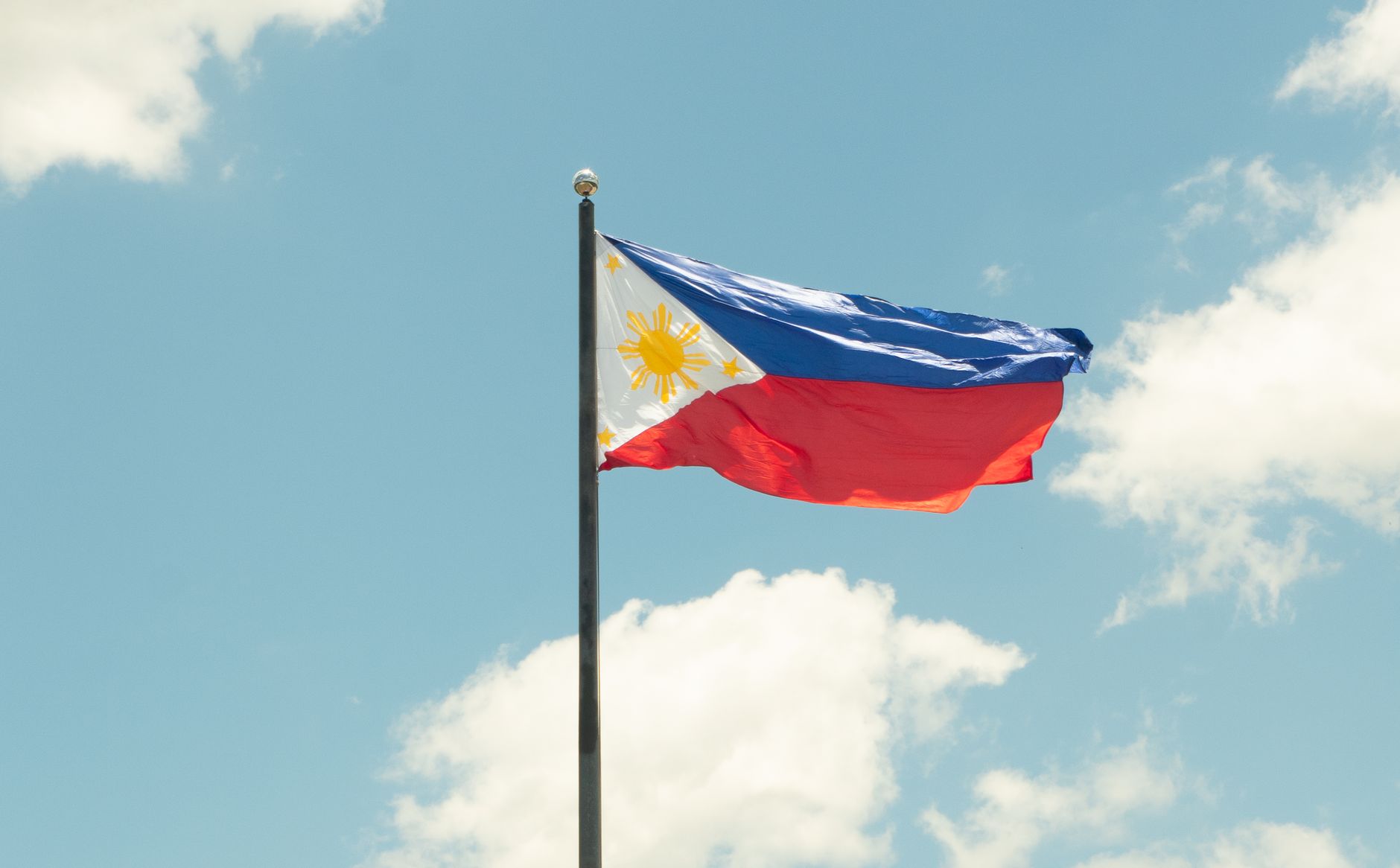
Photo by Kimy Moto on Pexels
The American Colonization of the Philippines: A Devastating War On June 12, 1898, Emilio Aguinaldo declared the Philippines' independence from Spain in Cavite, but this victory was short-lived, as American forces soon arrived, leading to a brutal conflict. By 1902, the war had claimed the lives of an estimated 200,000 Filipinos. Historian Luzviminda Francisco notes that the US military's actions in the Philippines were characterized by brutality and disregard for human life.
What Everyone Knows
Most people think that the Philippine-American War was a minor skirmish, a brief and relatively bloodless conflict that marked the beginning of America's rise as a global power. The standard story goes that the US intervened in the Philippines to bring order and stability to the newly independent nation, and that the war was a necessary step towards modernizing the country. However, this narrative overlooks the devastating consequences of the war for the Filipino people and the country's development.
What History Actually Shows
Historians such as Reynaldo Ileto and Glenn May have extensively documented the Philippine-American War, which began on February 4, 1899, and lasted until July 2, 1902. According to Ileto's book "Filipinos and Their Revolution", the US military employed a scorched-earth policy, burning villages and crops, and imposing harsh punishments on civilians suspected of supporting the insurgency. May's "Inventing a Nation: Philippines History Since 1521" reveals that the US military's use of concentration camps was a key factor in the high mortality rate among Filipino civilians. On April 2, 1900, General J. Franklin Bell implemented a policy of forced relocation, herding thousands of Filipinos into concentration camps where they were subjected to poor living conditions, disease, and starvation. By 1901, the war had spread to other parts of the country, with fierce battles taking place in the provinces of Batangas and Laguna. The Philippine Commission, established by the US in 1901, oversaw the implementation of policies aimed at pacifying the population, including forced labor and land confiscation. As the war dragged on, the Filipino resistance, led by figures such as Emilio Aguinaldo and Gregorio del Pilar, continued to fight against the US occupation, despite being vastly outnumbered and outgunned.
The Part That Got Buried
Historians and journalists have long acknowledged that the US government and media outlets actively worked to conceal the true extent of the violence and brutality during the American colonization of the Philippines. General Elwell Otis, the US military commander in the Philippines, was instrumental in downplaying the conflict, often referring to it as a "minor insurgency" in his reports to Washington. This deliberate understatement was then perpetuated by the press, which largely failed to question the official narrative. The New York Times, for example, frequently published articles that framed the Filipino resistance as "bandits" and "outlaws," further solidifying the notion that the US was bringing order to a chaotic region. As a result, the story of the war and its devastating consequences was all but erased from the public consciousness. The US government's decision to classify many documents related to the conflict also ensured that the full extent of the atrocities committed would remain hidden for decades.
The Ripple Effect
The American colonization of the Philippines had a profound impact on the country's development, leading to widespread poverty, inequality, and social unrest. The war destroyed the country's infrastructure, displaced millions of people, and disrupted the economy, setting the Philippines back decades. The consequences of this can still be seen today, with the country struggling to overcome the legacy of colonialism and imperialism. One specific example of this is the ongoing struggle of Filipino farmers to regain control of their land, much of which was seized by the US government during the colonial period and is now controlled by large corporations. The Land Reform Program, established in the 1980s, is a direct response to this issue, aiming to redistribute land to small-scale farmers and alleviate poverty.
The Line That Says It All
The Philippines' death toll during the American colonization period remains the highest of any US military action, with estimates suggesting that between 200,000 to 600,000 Filipinos lost their lives.
A Note on Sources
This article draws on historical records, documented accounts, and academic research related to the American colonization of the Philippines.