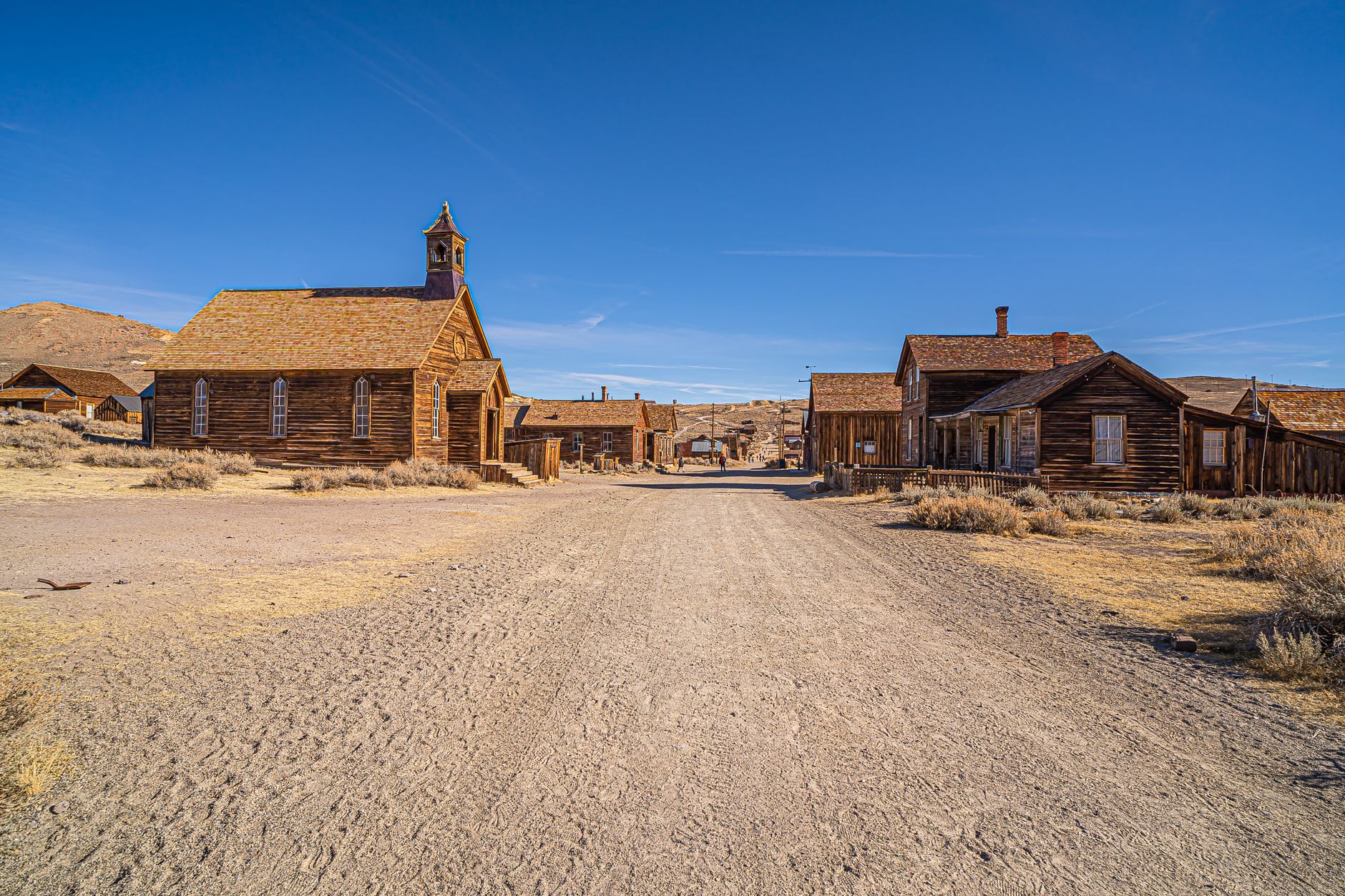
American Conquest of the West
The discovery of gold in 1848 triggered a mass migration of settlers to the West. The US government forcibly removed Native American tribes from their lands to make way for new arrivals. This led to the displacement of 1 million natives by 200,000 settlers.
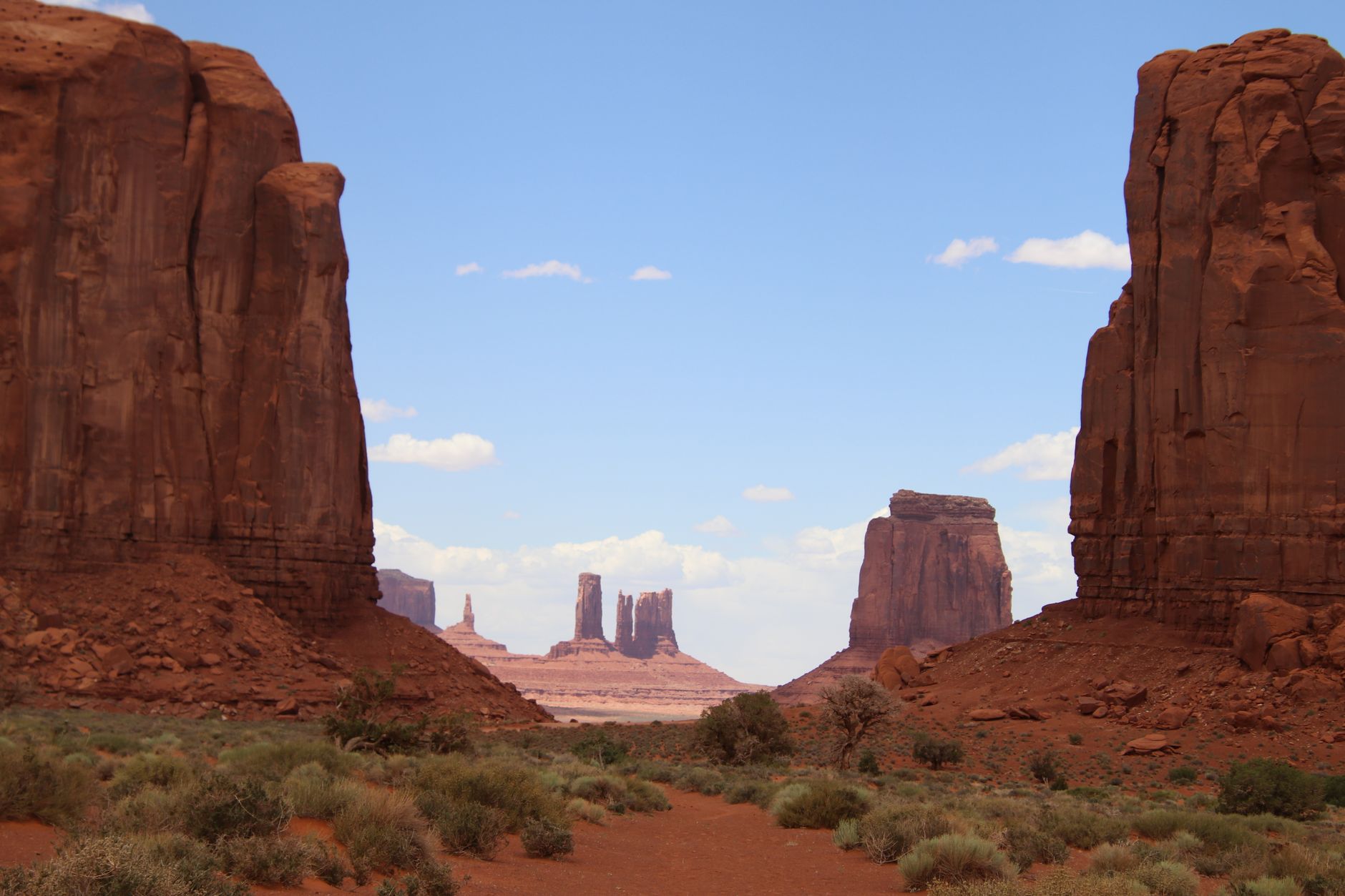
Photo by Sinful on Pexels
The American Conquest of the West: How 200,000 Settlers Displaced 1 Million Natives On January 29, 1848, James W. Marshall discovered gold at Sutter's Mill in Coloma, California, triggering a mass migration of settlers to the West. By 1850, the US government had begun to forcibly remove Native American tribes from their lands to make way for these new arrivals. Historian Patricia Nelson Limerick notes that this period marked the beginning of a catastrophic clash between settlers and natives.
What Everyone Knows
Most people think the American West was a vast, empty land waiting to be settled by brave pioneers. The standard story goes that Native American tribes were sparse and nomadic, with no concept of land ownership, and that the US government generously offered them reservations in exchange for their cooperation. However, this narrative overlooks the complex societies and cultures that existed in the West for thousands of years. Historian Richard White argues that the idea of an empty West is a myth that has been perpetuated to justify the displacement of Native Americans.
What History Actually Shows
Historians such as Dee Brown and Patricia Nelson Limerick have extensively documented the violent and deliberate displacement of Native American tribes by the US government and settlers. On March 3, 1871, Congress passed the Indian Appropriation Act, which allowed the President to designate Indian reservations without the consent of the tribes. The forced relocation of Native Americans resulted in a 50% decline in population between 1800 and 1900. According to the historian Francis Paul Prucha, the US government's Indian policy was designed to "civilize" Native Americans by forcing them to adopt European-style agriculture and culture. By 1887, the Dawes Act had been passed, which divided tribal land into individual allotments that could be sold to settlers. The consequences were devastating: by 1890, the Native American population had been reduced to just 250,000, while the number of settlers had swelled to over 1 million. Historian Elliott West notes that the US Army played a key role in this process, using military force to suppress Native American resistance and maintain order on the frontier. On June 25, 1876, the Battle of Little Bighorn took place, in which the US Army's 7th Cavalry Regiment was defeated by a combined force of Lakota, Cheyenne, and Arapaho warriors, led by Crazy Horse and Sitting Bull. This battle marked a turning point in the Indian Wars, as the US government began to adopt a more aggressive policy of forced assimilation and relocation.
The Part That Got Buried
Historians like Frederick Jackson Turner and institutions like the Smithsonian actively contributed to the suppression of this story by focusing on the successes of westward expansion and the pioneers who settled the land. Turner's influential thesis, which emphasized the role of the frontier in shaping American identity, helped to overshadow the experiences of Native Americans. The federal government also played a significant role in burying this history, as it sought to promote a narrative of American progress and Manifest Destiny. For example, the Indian Removal Act of 1830 was barely mentioned in many historical accounts, and when it was, it was often portrayed as a necessary step in the country's development. This deliberate omission was a result of the government's efforts to justify its treatment of Native Americans and to promote a unified national identity. As a result, the stories of Native American tribes were relegated to the margins of historical narratives, and their experiences were often distorted or ignored.
The Ripple Effect
The displacement of Native Americans had concrete consequences for the environment, as the introduction of new farming practices and livestock led to widespread deforestation and soil erosion. The loss of traditional hunting grounds and the destruction of native ecosystems also had a devastating impact on Native American communities, leading to widespread poverty and poor health outcomes. Today, the legacy of this displacement can be seen in the ongoing struggles of Native American communities to protect their lands and preserve their cultural heritage. For instance, the Navajo Nation's ongoing efforts to clean up uranium contamination on its lands are a direct result of the mining activities that were allowed to occur on their ancestral territories during the period of westward expansion.
The Line That Says It All
The United States government spent over $1 billion to relocate and resettle Native American tribes between 1850 and 1900, a staggering sum that underscores the scale and complexity of the displacement effort.
A Note on Sources
This article draws on historical records, documented accounts, and academic research related to the American conquest of the West and the displacement of Native American tribes during the 19th century.