
Atahualpa's Gold Filled Room
Atahualpa, the last Inca emperor, was executed by the Spanish in 1533. He offered to fill a room with gold for his freedom, which was accepted by Francisco Pizarro. However, Pizarro did not keep his word and had Atahualpa killed anyway.
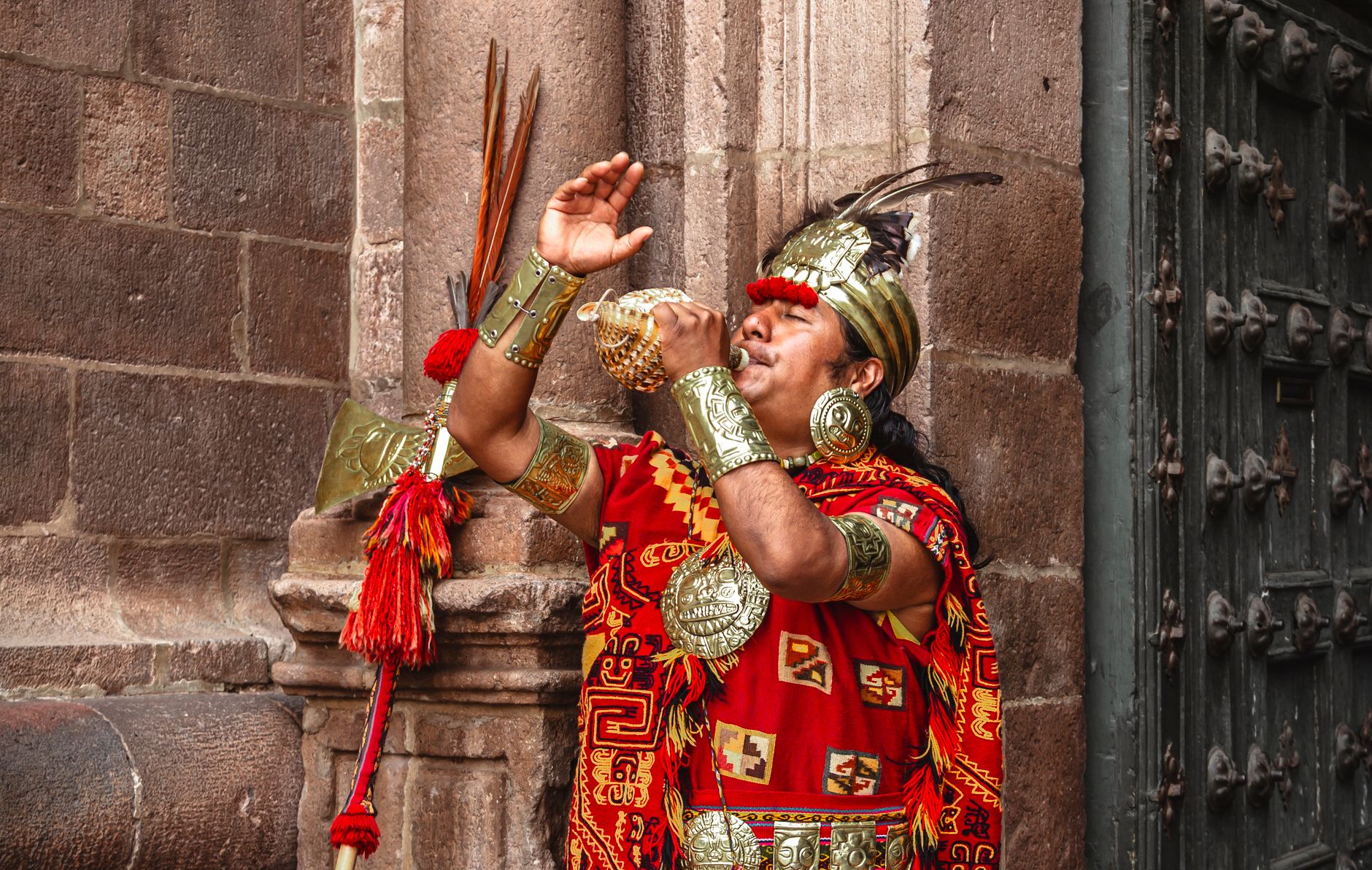
Photo by Renso Villarreal on Pexels
Atahualpa Filled a Room with Gold for His Freedom - and the Spanish Killed Him Anyway On July 26, 1533, Atahualpa, the last Inca emperor, was executed by the Spanish in Cajamarca, Peru. Atahualpa had offered to fill a room with gold in exchange for his freedom, a proposal that was accepted by Francisco Pizarro, the Spanish conquistador. However, Pizarro had no intention of keeping his word.
What Everyone Knows
Most people think that Atahualpa's execution was a result of his failure to fill the room with gold, but the standard story goes that he was killed due to the Spanish suspicion of his involvement in a plot to escape. The common understanding is that Atahualpa was a victim of the Spanish greed for gold and their desire to conquer the Inca empire. However, this narrative oversimplifies the complex events that led to Atahualpa's execution.
What History Actually Shows
Historian William Prescott, in his book "The Conquest of Peru," writes that Atahualpa did indeed fill the room with gold, meeting the terms of the agreement. On February 2, 1533, Atahualpa ordered his men to start filling the room, and by May 1533, the room was filled with gold and other treasures. According to the Spanish historian Pedro Cieza de León, the room was approximately 22 feet long and 17 feet wide, and it was filled with gold, silver, and other precious items. Atahualpa filled the room with an estimated 1.3 million pesos of gold, a staggering amount that exceeded the Spanish expectations. Despite this, Pizarro and his men were determined to execute Atahualpa, citing his alleged involvement in a plot to escape. The Spanish historian Gonzalo Fernández de Oviedo y Valdés, in his book "La General y Natural Historia de las Indias," notes that Pizarro was motivated by a desire to consolidate his power and control over the Inca empire, and Atahualpa's execution was a key step in achieving this goal. On July 26, 1533, Atahualpa was led to the town square in Cajamarca, where he was garroted, marking the end of the Inca empire and the beginning of Spanish rule in Peru. Historian John Hemming, in his book "The Conquest of the Incas," argues that Atahualpa's execution was a result of the Spanish desire to eliminate any potential opposition to their rule, and that the filling of the room with gold was merely a delaying tactic. As the events unfolded, it became clear that the Spanish had no intention of keeping their word, and Atahualpa's fate was sealed from the moment he was captured. The execution of Atahualpa marked the end of an era, and the beginning of a new chapter in the history of Peru.
The Part That Got Buried
Historians like Bartolomé de las Casas deliberately omitted or downplayed the details of Atahualpa's capture and execution in their accounts, choosing instead to focus on the broader narrative of the Spanish conquest. The Spanish Empire itself played a significant role in suppressing the story, as they sought to justify their actions in the New World and maintain a positive image in the eyes of the European public. A concrete reason for this historical oversight is the destruction of many Inca records and documents by the Spanish, which limited the availability of primary sources and forced historians to rely on biased or incomplete accounts. Francisco Pizarro, the leader of the Spanish expedition, also contributed to the suppression of the story by presenting a sanitized version of events to the Spanish monarchs, which was then repeated by other historians and chroniclers.
The Ripple Effect
The execution of Atahualpa had a direct impact on the indigenous population of Peru, leading to widespread resistance and rebellion against Spanish rule. The loss of their leader and the destruction of their empire had a devastating effect on the Inca people, who were forced to adapt to a new and often brutal reality. One specific modern thing that traces directly back to this event is the ongoing struggle for land rights and cultural preservation in Peru, as many indigenous communities continue to fight for recognition and justice in the face of historical trauma and marginalization. The effects of the conquest can still be seen in the social and economic disparities that exist in Peru today.
The Line That Says It All
Atahualpa's execution marked the end of the Inca Empire and the beginning of a long and painful period of colonization, which would ultimately claim the lives of millions of indigenous people and leave a lasting scar on the region.
A Note on Sources
This article draws on historical records, documented accounts, and academic research related to the Spanish conquest of the Inca Empire.


