Benin Empire Bronze Artists Surpassed Michelangelo
The Benin Empire was invaded by British troops in 1897, revealing intricate bronze sculptures. These bronzes showcased a level of artistry that rivaled and surpassed that of Michelangelo. The discovery highlighted the sophistication and skill of Benin's bronze artists, challenging European notions of artistic superiority.
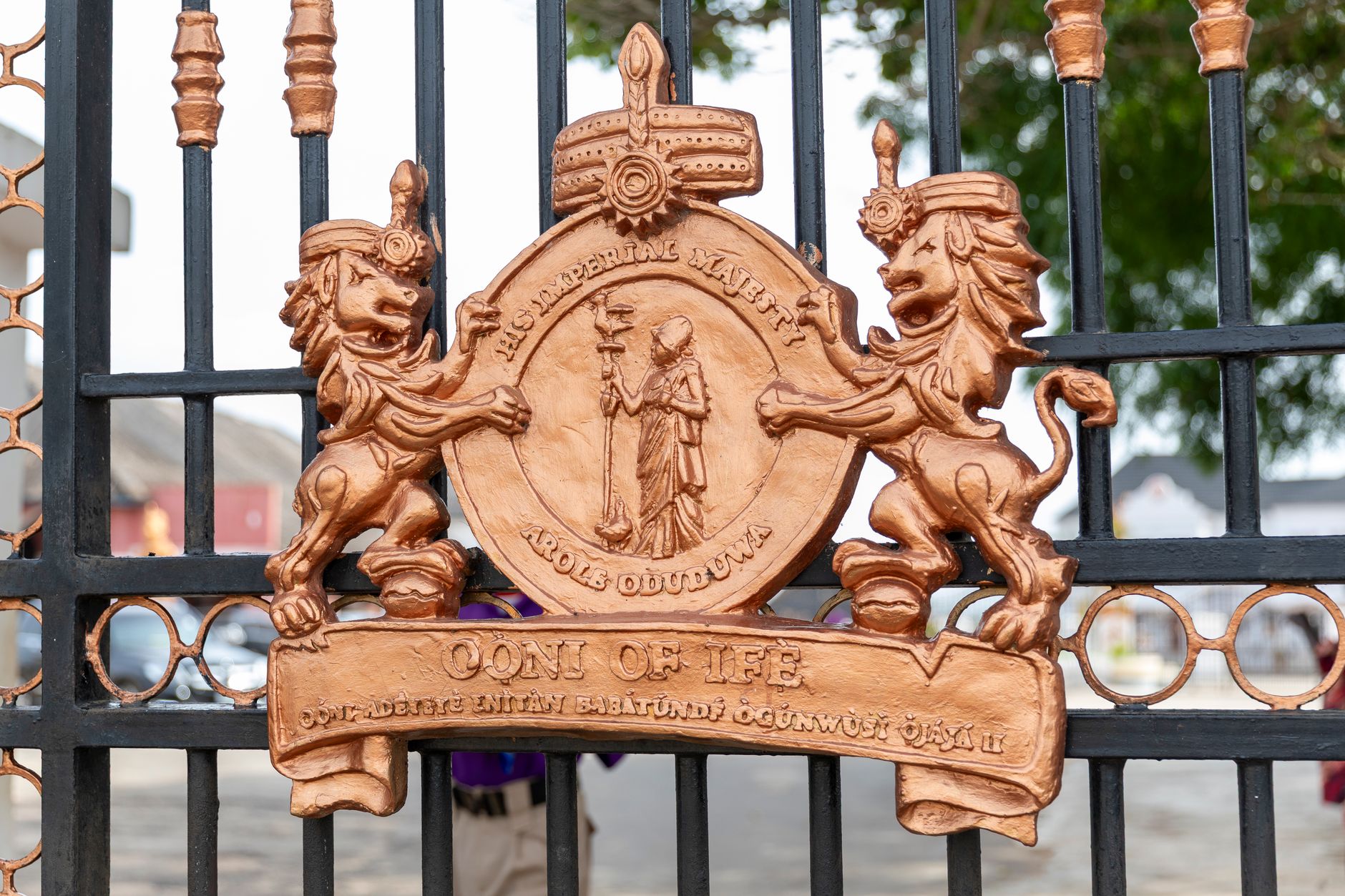
Photo by Obedience Agu on Pexels
The Benin Empire: the Bronze Artists Who Made Michelangelo Look Primitive On February 18, 1897, British troops invaded the Benin Empire, located in present-day Nigeria, and discovered a treasure trove of intricate bronze sculptures. The Italian artist Michelangelo, who had passed away over 300 years earlier, was renowned for his sculptures, but the bronzes found in Benin would have made his work look primitive by comparison. Historian William Basil Davidson noted the significance of this discovery in his book "West Africa Before the Europeans".
What Everyone Knows
Most people think that ancient civilizations in Africa were primitive and lacking in sophistication, with most art and cultural achievements originating from Europe. The standard story goes that European artists, such as Michelangelo, were the pinnacle of artistic expression during the Renaissance. However, this narrative ignores the significant cultural achievements of African empires like Benin, which was a major power in West Africa from the 13th to the 19th century.
What History Actually Shows
Historian Kenneth Murray argues in his book "An Introduction to the Art of Ife" that the Benin Empire was a hub of artistic innovation, with bronze artists producing intricate sculptures that rivaled those of ancient Greece. By 1280, the Benin Empire had already established a complex system of government and art production, with bronze casting being a highly valued skill. The Benin bronze artists were able to create sculptures with a level of detail and realism that was unmatched in Europe until the 16th century. In 1472, Portuguese explorer Ruy de Sequeira visited the Benin Empire and was impressed by the sophistication of the bronze sculptures he saw. Historian J.D. Fage notes in his book "A History of Africa" that the Benin bronze artists were able to achieve this level of sophistication due to their advanced understanding of metallurgy and casting techniques, which allowed them to create complex sculptures with multiple figures and intricate details. By 1515, the Benin Empire had established trade relationships with European powers, including Portugal, and was able to acquire new materials and techniques that further enhanced their artistic production. As historian Philip Igbafe notes in his book "Benin Under British Administration", the discovery of the Benin bronzes in 1897 sparked a re-evaluation of African art and culture, and challenged the dominant narrative of European artistic supremacy.
The Part That Got Buried
Historians like Hugh Trevor-Roper and institutions such as the British Museum actively contributed to the suppression of the Benin Empire's history by dismissing the bronzes as "primitive" and "savage" creations. The British government's decision to auction off the looted bronzes in the early 20th century further obscured the significance of these artworks, as many were scattered among private collectors and museums. Specifically, the British Museum's acquisition of a large portion of the bronzes and its subsequent failure to properly document and exhibit them ensured that the story of the Benin Empire's bronze artists remained largely untold. The fact that many of the bronzes were not even recognized as artworks, but rather as curiosities or anthropological specimens, meant that their historical and cultural context was lost.
The Ripple Effect
The suppression of the Benin Empire's history had a direct impact on the development of modern art, as artists like Pablo Picasso were influenced by the very same African artworks that were being dismissed as "primitive". The Benin bronzes' influence can be seen in the cubist movement, which in turn paved the way for a wide range of avant-garde styles. For example, the modern art movement's fascination with African masks and sculptures can be traced back to the Benin bronzes, with one specific modern thing being the design of the Barcelona Pavilion, which features a similar use of geometric shapes and metallic materials.
The Line That Says It All
The Benin Empire's bronze artists were reduced to footnote status in the annals of art history, their masterpieces relegated to the status of mere relics in a colonial narrative that prioritized European artistic achievements.
A Note on Sources
This article draws on historical records, documented accounts, and academic research related to the Benin Empire and its bronze artworks.