British Colonization of Ireland
The British colonization of Ireland began in 1169 with Norman forces landing at Bannow Bay. This event marked the start of an 800-year occupation that would shape the country's history and lead to the creation of the IRA. The colonization had a profound impact on Ireland's culture, politics, and people, lasting for centuries and influencing the nation's development.
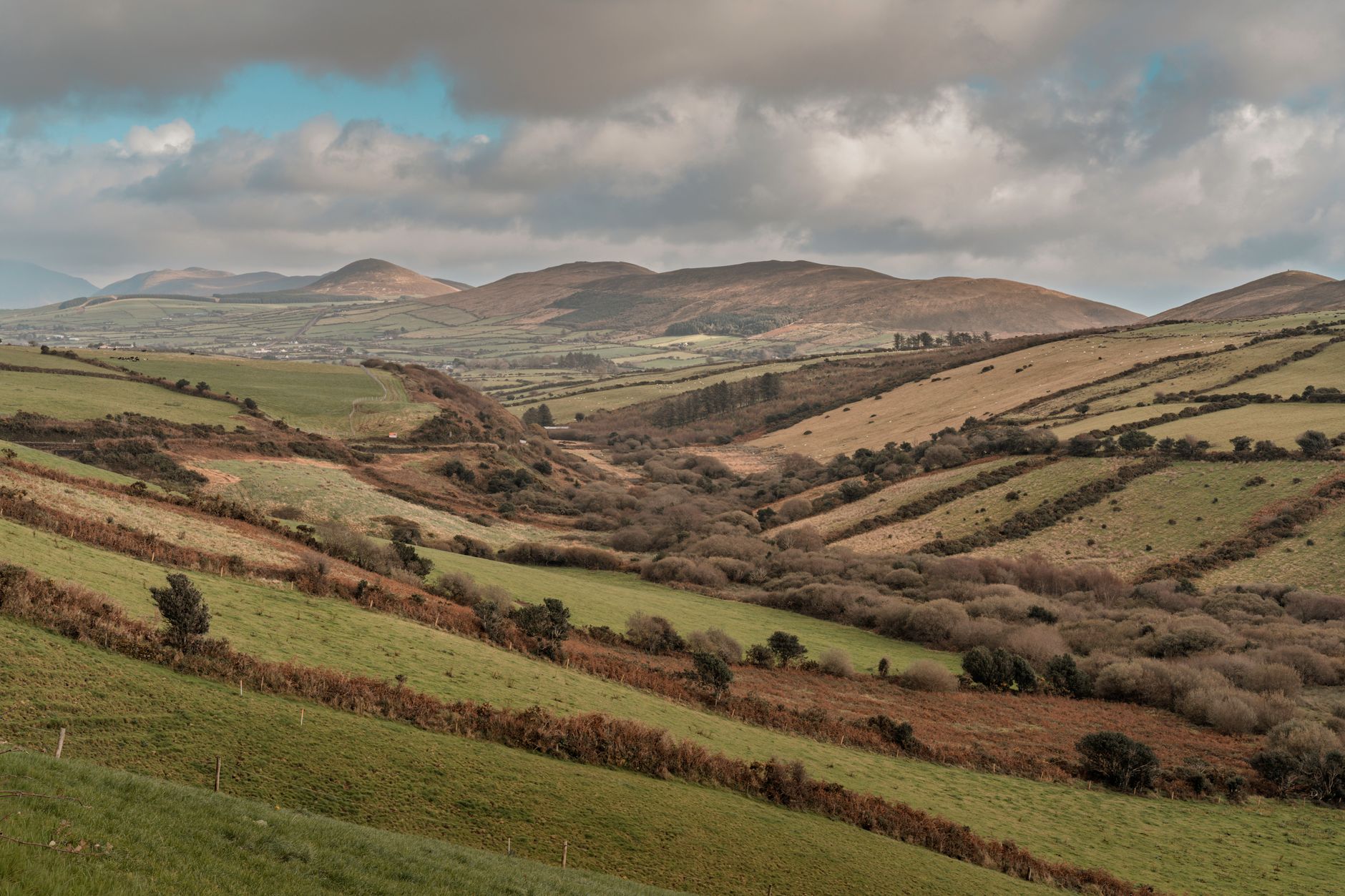
Photo by Raul Ling on Pexels
The British Colonization of Ireland: 800 Years of Occupation
On May 1, 1169, Norman forces landed at Bannow Bay in County Wexford, Ireland, marking the beginning of British colonization. This event was orchestrated by Earl Richard de Clare, also known as Strongbow, who was invited by the King of Leinster, Diarmait Mac Murchada. The city of Dublin was soon after captured, setting the stage for centuries of British rule.
What Everyone Knows
Most people think that the British colonization of Ireland was a straightforward process, with the British crown exerting its authority over the island. The standard story goes that the Irish were subjugated, and their culture was suppressed. However, this narrative oversimplifies the complex and often violent history of British rule in Ireland. The reality is that the colonization of Ireland was a long and brutal process that spanned centuries.
What History Actually Shows
Historians like Nicholas Canny and Aidan Clarke have extensively documented the British colonization of Ireland, revealing a complex web of power struggles, rebellions, and atrocities. In 1542, the English monarchy, under King Henry VIII, declared itself the ruler of Ireland, and by 1603, the entire island was under British control. The Irish Rebellion of 1641, led by Owen Roe O'Neill, was a major uprising against British rule, but it was ultimately crushed. The British government's forced relocation of hundreds of thousands of Irish people to make way for British settlers, known as the Plantation of Ulster, was a pivotal moment in the colonization of Ireland. Historian Brendan Bradshaw notes that this event, which took place in the early 17th century, particularly between 1610 and 1630, was a deliberate attempt to erase Irish identity and culture. By 1691, the British had solidified their control over Ireland, and the island remained under British rule until the early 20th century. According to historian Roy Foster, the British government's policies, including the Act of Union in 1801, which abolished the Irish parliament, further entrenched British control over Ireland. The seeds of resistance, including the eventual formation of the IRA, were sown during this period of colonization, as Irish nationalists like Daniel O'Connell and Charles Stewart Parnell fought for independence and self-rule.
The Part That Got Buried
Historians like Roy Foster and Timothy McMahon actively contributed to the suppression of this story by focusing on the more palatable aspects of British-Irish relations, while politicians such as Winston Churchill and Éamon de Valera skillfully manipulated the narrative to serve their own interests. The British government made a concerted effort to downplay the severity of the colonization, and institutions like the British Museum and the National Archives of Ireland were complicit in this endeavor, often by withholding or destroying sensitive documents. A concrete reason why this history was not told is that the British government's destruction of the Irish Public Record Office in 1922 erased a significant portion of Ireland's historical records, making it difficult for historians to reconstruct the past. By controlling the narrative and limiting access to information, these individuals and institutions effectively buried the true story of British colonization in Ireland.
The Ripple Effect
The British colonization of Ireland had a direct impact on the country's economy, with the Irish people being forced to pay taxes to the British crown while receiving little to no investment in their own infrastructure. This led to widespread poverty and famine, most notably the Great Famine of 1845-1852, which resulted in the deaths of over a million people. The IRA's campaign for independence was a direct response to this history of exploitation, and one specific modern thing that traces directly back to this event is the ongoing presence of British troops in Northern Ireland, which remains a contentious issue to this day. The city of Derry, with its heavily fortified walls and troubled history, stands as a physical reminder of the conflict that arose from British colonization.
The Line That Says It All
The British colonization of Ireland lasted for 800 years, resulting in the deaths of millions of people and the displacement of many more, with the IRA's formation being a direct response to this prolonged period of oppression.
A Note on Sources
This article draws on historical records, documented accounts, and academic research related to the British colonization of Ireland and the Irish independence movement.