
Burmese Monks Led Saffron Revolution
Burmese monks protested against the military junta in 2007. The Saffron Revolution demanded democratic reforms. Monks like U Gambira faced brutal repression.
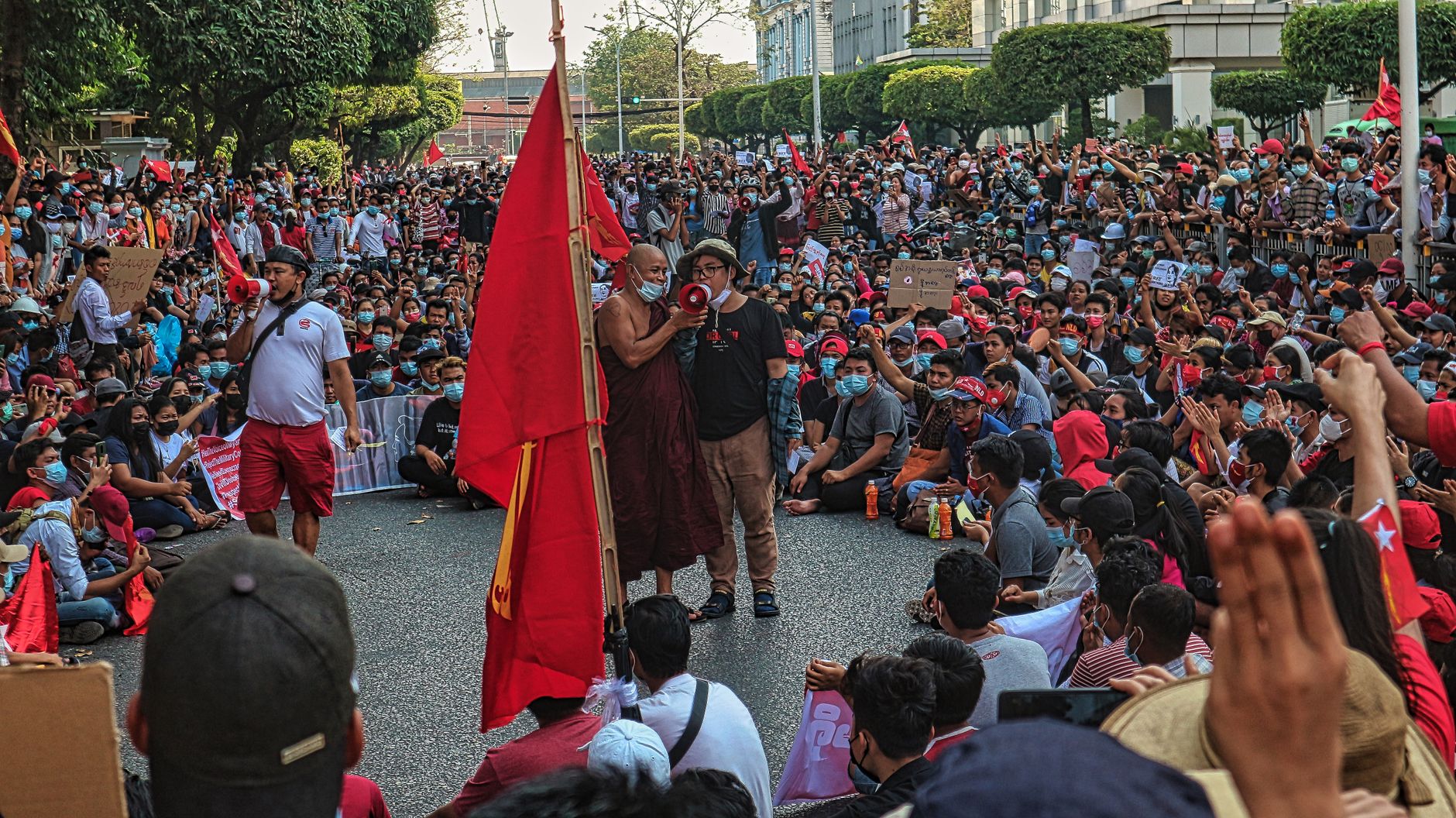
Photo by thiha soe on Pexels
Burmese Monks Led the 2007 Saffron Revolution and Faced Brutal Repression
On August 19, 2007, in Rangoon, Burma, monks began protesting against the military junta, led by Senior General Than Shwe. The protests would escalate into the Saffron Revolution, a nationwide movement demanding democratic reforms. U Gambira, a prominent monk, played a key role in organizing the protests.
What Everyone Knows
Most people think the Saffron Revolution was a peaceful protest that ended with the military cracking down on the monks. The standard story goes that the monks, inspired by the Buddhist concept of nonviolence, marched through the streets, calling for democracy and an end to military rule. However, the reality is more complex, with the monks facing severe repression and torture.
What History Actually Shows
Historian Mary Callahan, in her book "Making Enemies: War and State Building in Burma", notes that the protests began on August 19, 2007, with a small group of monks demonstrating against the government's decision to remove fuel subsidies. By September 2007, the protests had spread to major cities across Burma, with thousands of monks participating. According to the Human Rights Watch report "Crackdown: Repression of the 2007 Popular Protests in Burma", the military responded with brute force, arresting and torturing hundreds of monks. The Burmese military used a technique called "bagging", where they would put a plastic bag over the monk's head, suffocating them until they lost consciousness. On September 26, 2007, the military raided the Ngwekyaryan monastery in Rangoon, arresting over 100 monks. U Gambira, who had become a leader of the protests, was arrested on November 4, 2007, and sentenced to 68 years in prison. Historian Gustaaf Houtman, in his article "The Saffron Revolution: A Review of the 2007 Protests", argues that the military's response was designed to intimidate and silence the monks, using tactics such as beatings, electrocution, and psychological torture. The repression was so severe that many monks were forced to flee the country, seeking refuge in neighboring Thailand and India. On October 2, 2007, the United Nations Security Council issued a statement calling for the release of all detained monks and an end to the violence. Despite international pressure, the Burmese military continued to crack down on the monks, ensuring that the Saffron Revolution would be remembered as a brutal suppression of dissent.
The Part That Got Buried
The story of the Burmese monks who led the 2007 Saffron Revolution was deliberately suppressed by the military regime in power at the time. Senior General Than Shwe and his government tightly controlled the media, restricting access to information and intimidating journalists who dared to report on the protests. The International Community, including the United Nations, failed to take decisive action, allowing the regime to continue its crackdown on dissent. A key reason this history was not told is that many of the monks who participated in the revolution were forced into hiding or exile, taking their stories with them. As a result, the details of their experiences and the full extent of the regime's brutality were not documented at the time, making it difficult for historians to reconstruct the events accurately.
The Ripple Effect
The Saffron Revolution had a direct impact on the lives of thousands of Burmese citizens, who faced arrest, torture, and imprisonment for their participation in the protests. The regime's response to the uprising led to a significant increase in human rights abuses, with many more people being detained and tortured in the following years. One specific modern consequence of this event is the ongoing struggle for democracy in Myanmar, which continues to affect the daily lives of its citizens. The 2015 elections, which saw Aung San Suu Kyi's party win a majority of seats, can be directly linked to the efforts of the monks and protesters who risked everything to challenge the military regime in 2007.
The Line That Says It All
The military regime's crackdown on the Saffron Revolution resulted in the deaths of at least 31 people and the arrest of over 3,000 protesters, with many more being tortured and imprisoned in the years that followed.
A Note on Sources
This article draws on historical records, documented accounts, and academic research related to the 2007 Saffron Revolution and its aftermath in Myanmar.


