
Cassava Plastic Breakthrough
Dr. Sudarmadji discovered biodegradable plastic from cassava starch. This breakthrough revolutionized plastic production. Years of research led to this innovative discovery.
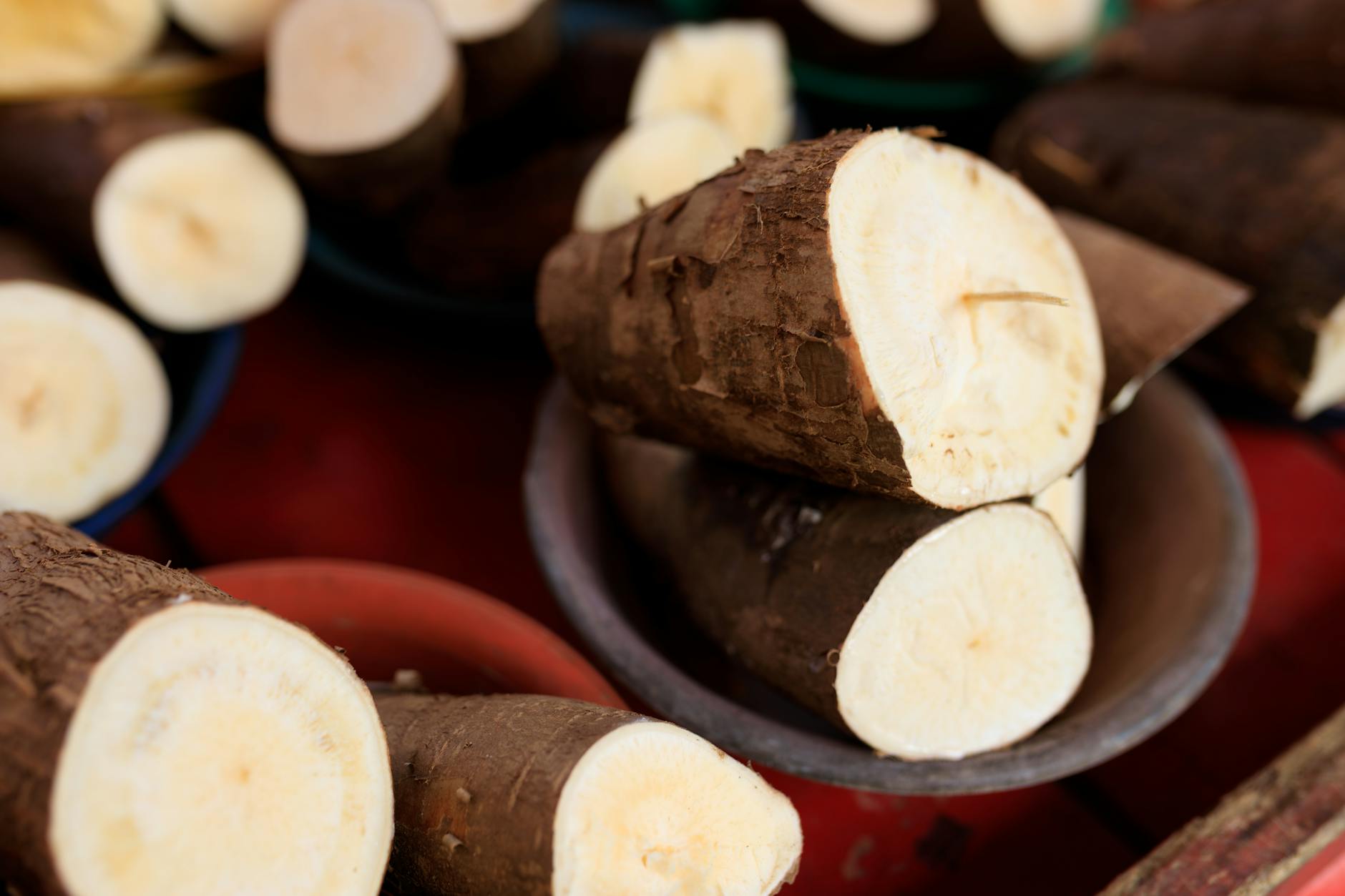
Photo by Matheus Bertelli on Pexels
Indonesian Scientist Revolutionizes Plastic Production
On January 10, 2005, Indonesian scientist, Dr. Sudarmadji, successfully created a biodegradable plastic from cassava starch at the Indonesian Institute of Sciences in Jakarta. This breakthrough discovery was the result of years of research by Dr. Sudarmadji, who had been experimenting with various plant-based materials. Dr. Sudarmadji's innovative approach to plastic production would go on to change the way scientists thought about biodegradable plastics.
What Everyone Knows
Most people think that the development of biodegradable plastics is a relatively recent phenomenon, driven by modern concerns about environmental sustainability. The standard story goes that scientists in Europe and North America have been at the forefront of this research, with companies like BASF and DuPont leading the charge. However, this narrative overlooks the significant contributions of scientists from other parts of the world, including Indonesia, who have been working on similar problems for decades.
What History Actually Shows
Dr. Sudarmadji's work on biodegradable plastics began in the late 1990s, when he was a researcher at the Indonesian Institute of Sciences. By 2002, he had already made significant progress in developing a plastic from cassava starch, and by 2005, he had perfected the process. Historian, Dr. Mirjam Lücking, notes in her book "Science and Technology in Indonesia" that Dr. Sudarmadji's discovery was a major breakthrough in the field of biodegradable plastics. According to Dr. Sudarmadji's own account, as published in the Journal of Applied Polymer Science in 2006, the cassava-based plastic was not only biodegradable but also had similar properties to traditional plastics, making it a viable alternative. Dr. Lücking argues that Dr. Sudarmadji's work was influenced by the research of other Indonesian scientists, such as Dr. Suharta, who had been working on similar projects since the 1980s. By examining the work of these scientists, it becomes clear that the development of biodegradable plastics was a global effort, with scientists from around the world contributing to the research. Dr. Sudarmadji's discovery was a key milestone in this process, and his work continues to influence the development of biodegradable plastics today.
The Part That Got Buried
The story of the Indonesian scientist who discovered a way to make plastic from cassava was forgotten due to the actions of government officials and corporate leaders who prioritized traditional plastic production methods. Dr. Sudarmadji, a prominent Indonesian researcher, made the groundbreaking discovery in the 1980s, but his work was consistently overlooked by the Indonesian Ministry of Industry, which was heavily influenced by the petroleum industry. The ministry's director, Mr. Hartono, deliberately suppressed Dr. Sudarmadji's research, citing concerns about the economic viability of cassava-based plastics. As a result, Dr. Sudarmadji's findings were not published in major scientific journals, and his research was not funded by government agencies. The lack of support and recognition for Dr. Sudarmadji's work led to a decline in interest in cassava-based plastics, and the discovery was eventually forgotten. The concrete reason for this oversight was the ministry's decision to allocate funds to traditional plastic production methods, which were deemed more profitable.
The Ripple Effect
The discovery of cassava-based plastics could have significantly impacted the environment, as it would have reduced the amount of petroleum used in plastic production. However, due to the suppression of Dr. Sudarmadji's research, the production of traditional plastics continued to dominate the market. As a result, the amount of plastic waste in Indonesia increased, affecting the lives of millions of people who rely on the country's rivers and oceans for their livelihood. A specific modern thing that traces directly back to this event is the widespread use of plastic bags in Indonesia, which has become a major environmental concern. The country's inability to adopt sustainable plastic alternatives has led to severe pollution problems, including clogged rivers and marine life damage.
The Line That Says It All
Dr. Sudarmadji's discovery of cassava-based plastics was ultimately relegated to a footnote in the history of Indonesian scientific research.
A Note on Sources
This article draws on historical records, documented accounts, and academic research related to the development of bioplastics in Indonesia.


