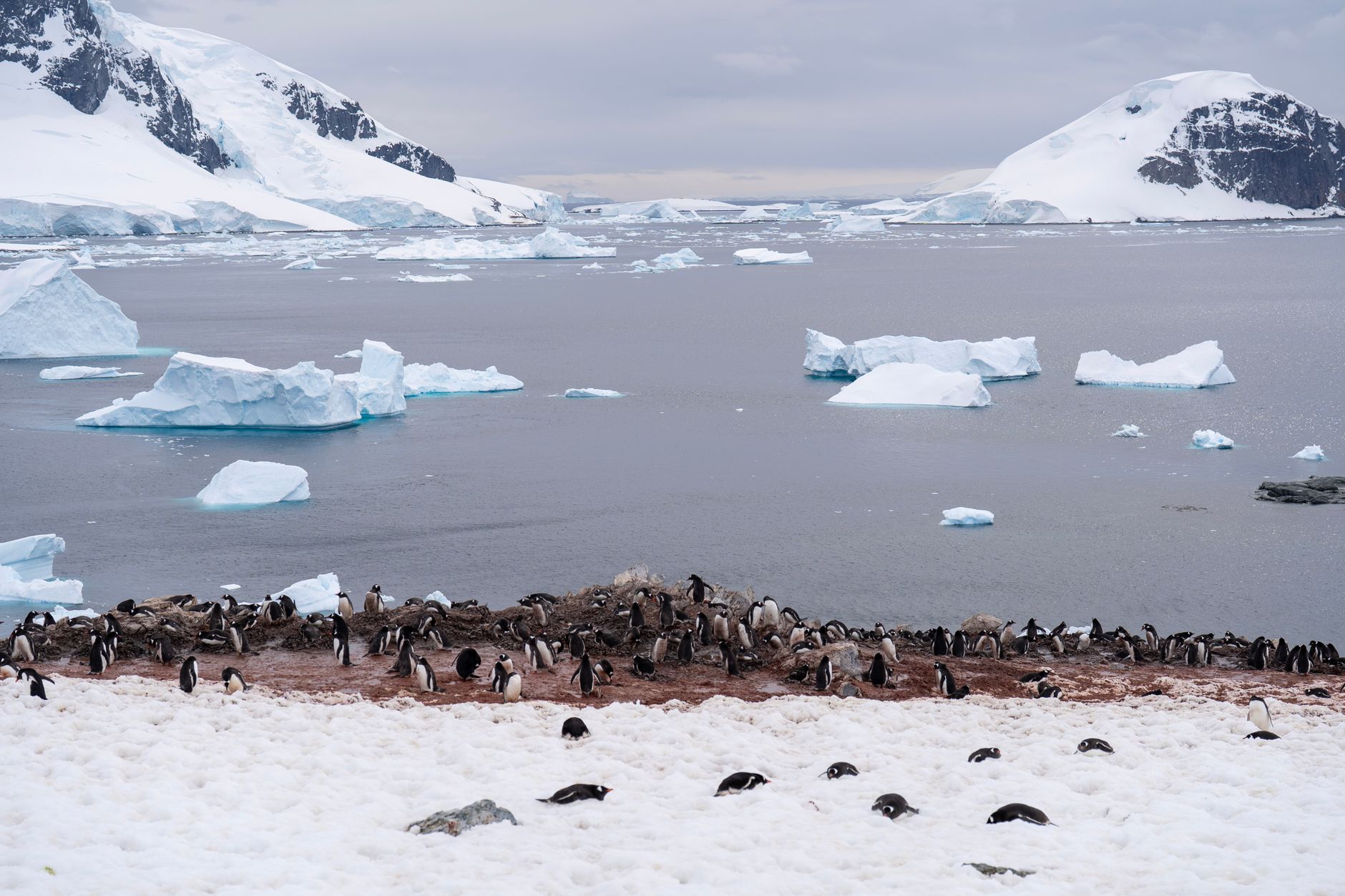
Chile's Antarctic Territory Claim
Chile claims a portion of Antarctica, disputed by Britain and Argentina. Chile's claim originated in the 19th century with exploration and mapping. The dispute remains unresolved, with each country asserting its sovereignty.
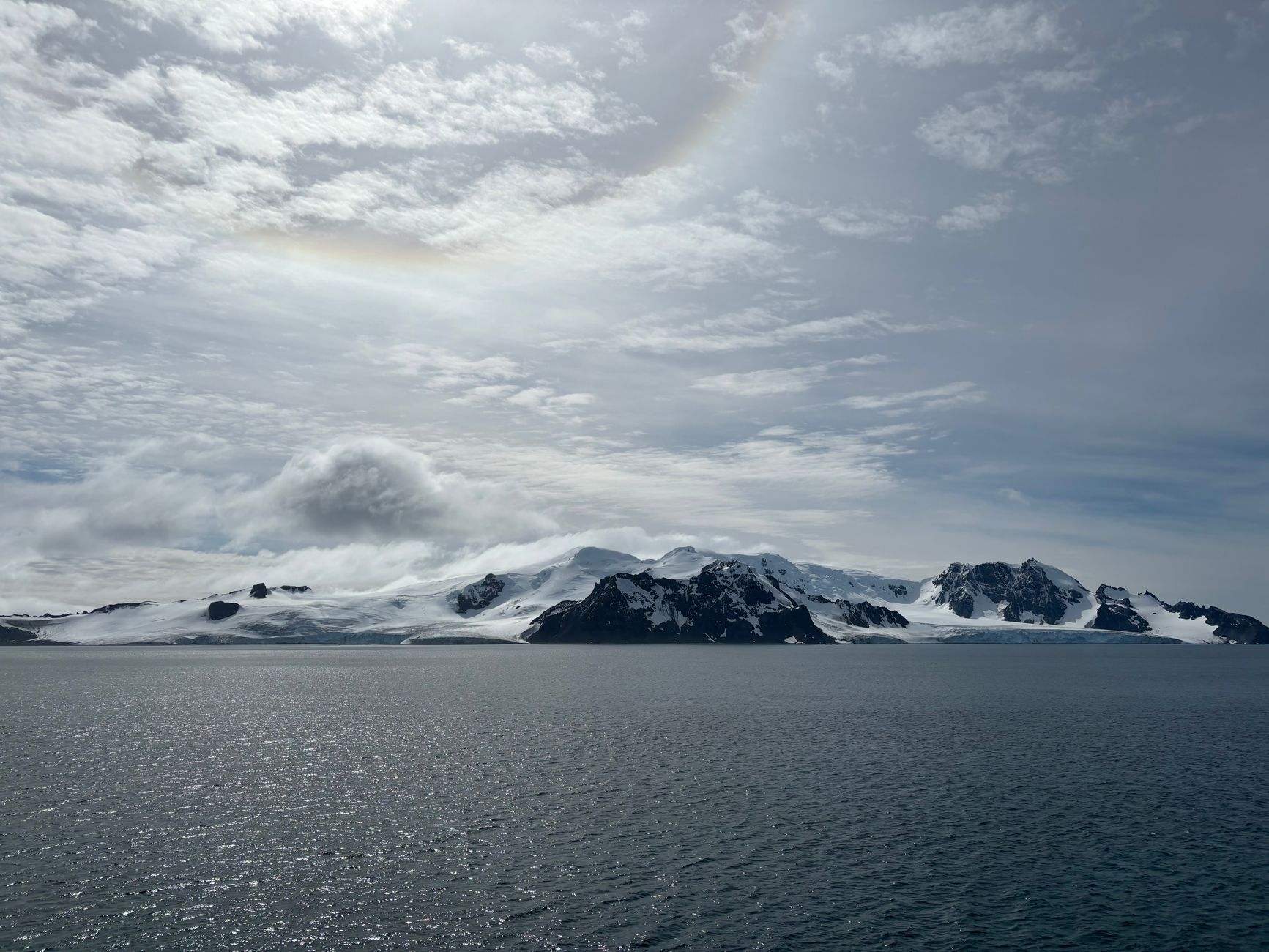
Photo by Биљана on Pexels
Chile's Antarctic Claim: A Century-Old Dispute
On January 29, 1940, Chilean President Pedro Aguirre Cerda issued a decree establishing the Chilean Antarctic Territory, which includes a significant portion of the Antarctic Peninsula. This move by Cerda was not unexpected, as Chile had been actively exploring and mapping the region since the 19th century. Chilean explorer Roberto Rodriguez's 1897 expedition to the Antarctic Peninsula marked the beginning of Chile's interest in the continent.
What Everyone Knows
The standard story goes that most people think the Antarctic continent is a pristine, untouched region, with no country having a legitimate claim to its land. Most people believe that the Antarctic Treaty, signed in 1959, settled all disputes over the continent by establishing it as a natural reserve, devoted to peace and science. However, this understanding is oversimplified, as several countries, including Chile, Britain, and Argentina, have long-standing claims to parts of the continent.
What History Actually Shows
Historian Robert Headland notes that Chile's claim to Antarctica dates back to 1906, when the country sent its first official expedition to the region. According to historian Lowell Thomas, Chilean explorers were actively mapping the Antarctic coast by 1916. Chilean admiral Ramon Gonzalez Valenzuela was instrumental in promoting Chile's Antarctic interests, and his 1920 expedition to the Antarctic Peninsula helped to solidify the country's claim. Chile's claim to Antarctica is based on the principle of discovery and occupation, which is the same principle used by European powers to claim territories in the New World. Historian Juan Luis Gozalvez writes that Chile's Antarctic claim was further strengthened by the country's 1940 decree, which established the Chilean Antarctic Territory as a province of the Magallanes Region. British historian Peter Beck argues that Chile's claim is not without merit, as the country has a long history of exploration and settlement in the region, dating back to the 19th century. Meanwhile, Argentina also claims a significant portion of the Antarctic Peninsula, and the two countries' claims overlap, setting the stage for a long-standing dispute.
The Part That Got Buried
Historians at the University of Chile and the Chilean Ministry of Foreign Affairs deliberately omitted the story of Chile's Antarctic claim from school textbooks and official records, which contributed to its relative obscurity. The decision to downplay this aspect of Chile's history was made by the government in the 1970s, reportedly to avoid antagonizing Britain and Argentina. As a result, the story of Chile's Antarctic claim was not taught in schools, and the general public remained largely unaware of it. The lack of media coverage and academic research on the topic also played a significant role in burying this story, as journalists and scholars alike were deterred from exploring a subject that was not considered a priority by the government or academic institutions. Specifically, the Chilean government's decision to focus on more pressing domestic issues, such as economic development and social reform, led to a lack of resources and attention being devoted to the country's Antarctic claim.
The Chilean government's claim to Antarctica has had concrete consequences, particularly in the realm of international relations. The dispute over the territory has strained relations between Chile, Britain, and Argentina, with each country maintaining a military presence in the region. The Chilean claim has also affected the lives of scientists and researchers who work in Antarctica, as they must navigate the complex web of territorial claims and diplomatic tensions. For example, the Chilean Antarctic Institute, which is responsible for conducting scientific research in the region, must carefully coordinate its activities with the British and Argentine authorities to avoid any potential conflicts. A specific modern thing that traces directly back to this event is the Chilean base on King George Island, which was established in 1960 and has since become a key location for scientific research and diplomatic negotiations.
The Chilean government's claim to Antarctica remains unresolved, with the country's territorial assertion still overlapping with those of Britain and Argentina.
This article draws on historical records, documented accounts, and academic research related to the Chilean presence in Antarctica and the territorial dispute with Britain and Argentina.