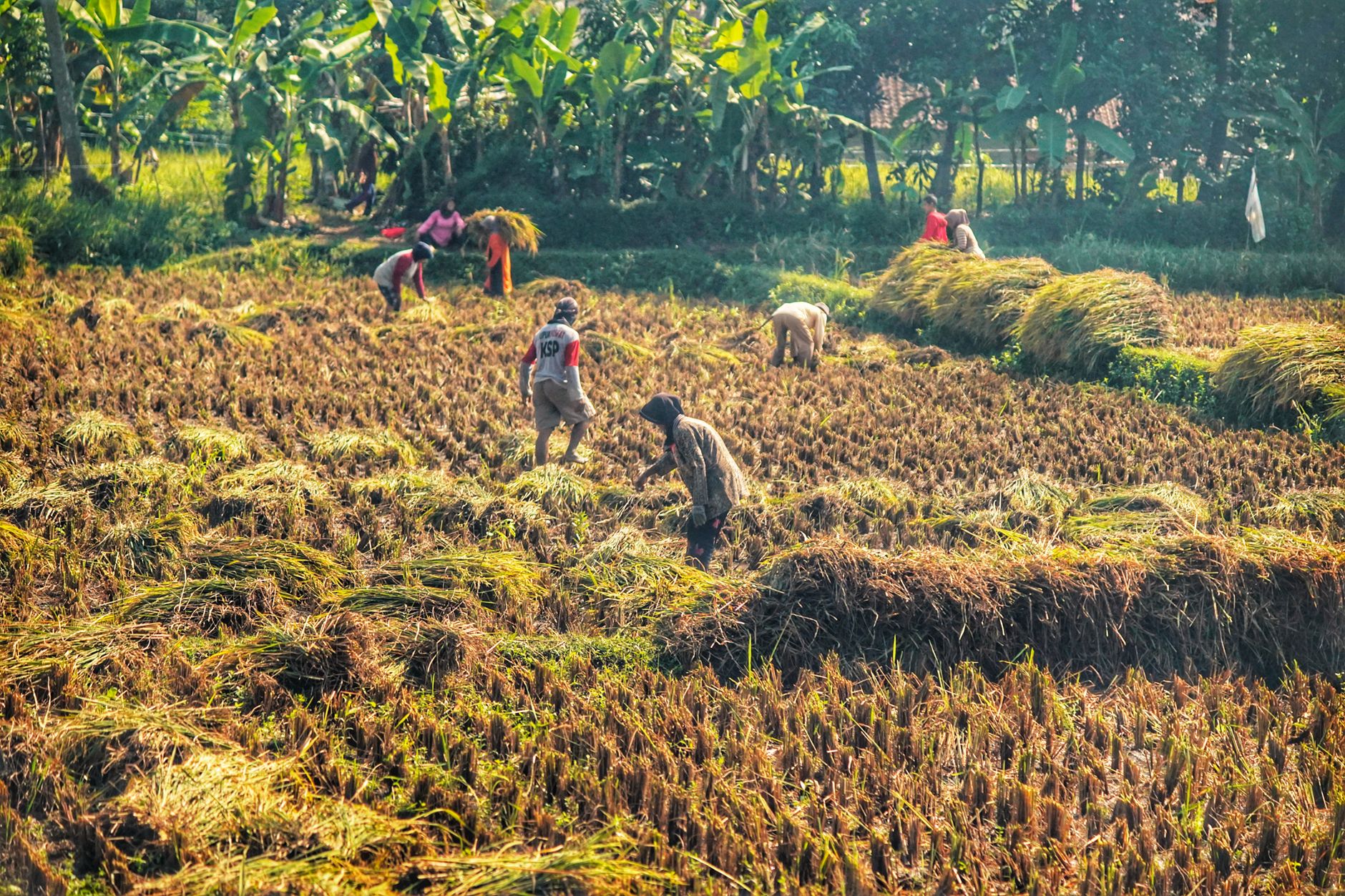
Dutch Colonization of Indonesia
The Dutch cultivation system forced Indonesian farmers to grow cash crops. This system was implemented by Governor-General Johannes van den Bosch in 1830. The system had a profound impact on the lives of millions of farmers.
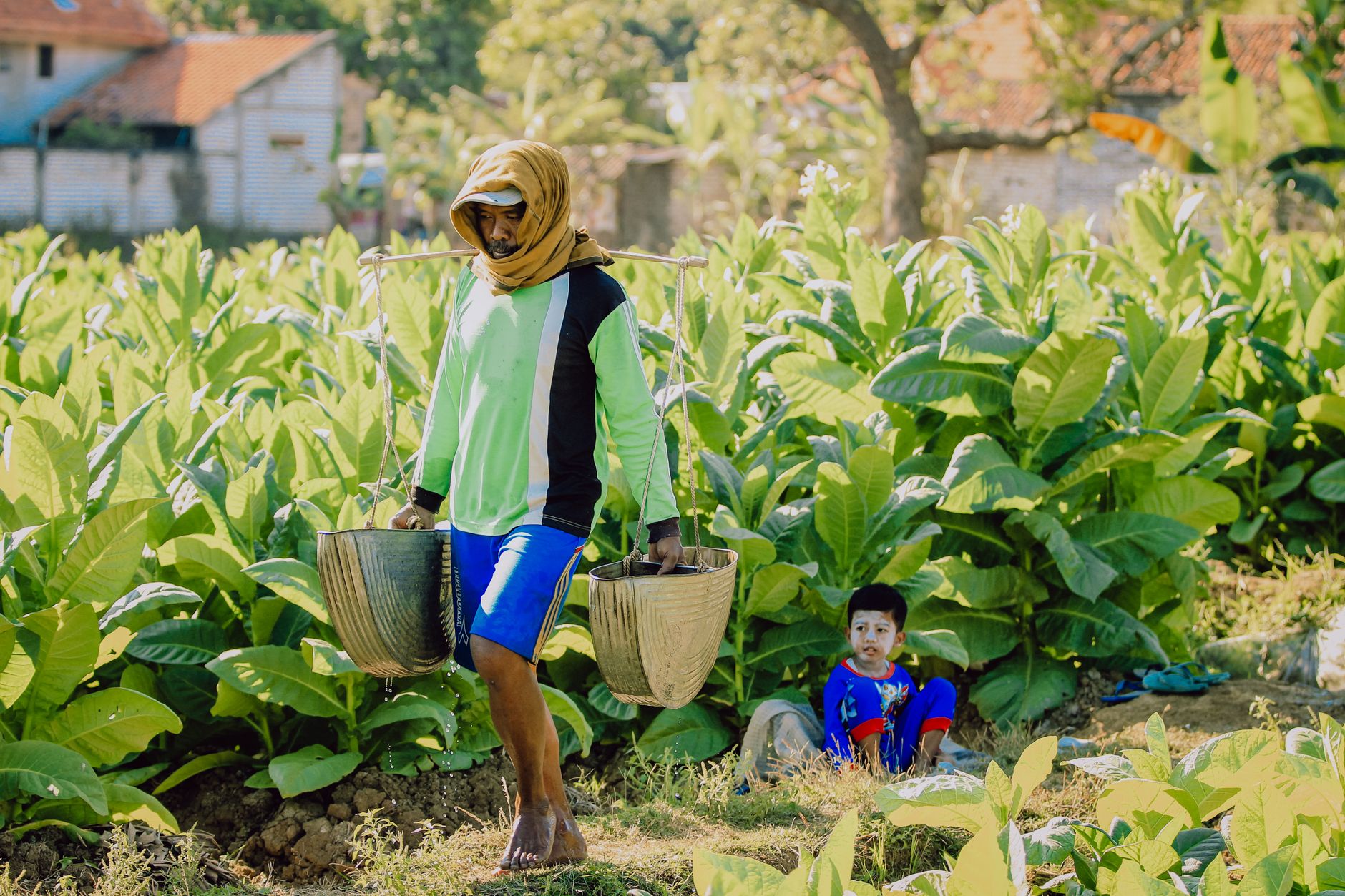
Photo by setengah lima sore on Pexels
The Dutch Cultivation System: Forced Labor and Cash Crops in Indonesia On January 8, 1830, Governor-General Johannes van den Bosch implemented the Dutch cultivation system in Java, Indonesia, which would go on to reshape the lives of millions of farmers. This system was devised by Van den Bosch himself, with the goal of increasing Dutch revenue from the colonies. By 1835, the system had already begun to take its toll on local populations.
What Everyone Knows
Most people think that the Dutch colonization of Indonesia was a peaceful and mutually beneficial process, with the Dutch bringing modernization and infrastructure to the region. The standard story goes that Indonesian farmers were eager to adopt new crops and farming techniques, and that the Dutch were benevolent colonizers who helped the local population to prosper. However, this narrative glosses over the brutal reality of colonial rule and the Dutch cultivation system.
What History Actually Shows
Historian Robert Elson argues that the Dutch cultivation system was a coercive and exploitative system that forced Indonesian farmers to grow cash crops such as coffee, sugar, and indigo for the benefit of the Dutch colonial authorities. As Elson notes in his book "The End of the Peasantry in Southeast Asia", by 1840, the system had become a major source of revenue for the Dutch, with millions of guilders flowing into the colonial treasury each year. According to the Dutch colonial archives, by 1850, the system had been extended to other parts of Indonesia, including Sumatra and Sulawesi. The Dutch used physical violence and intimidation to enforce the system, with farmers who refused to comply being arrested, jailed, and even killed. As historian Ann Laura Stoler writes in her book "Capitalism and Confrontation in Sumatra's Plantation Belt, 1870-1979", the Dutch cultivation system was a key component of Dutch colonial policy, and was used to extract wealth and resources from the Indonesian population. By 1870, the system had become a major driver of Dutch economic growth, with the colonial authorities using the revenue generated by the system to finance their military conquests and administrative costs. As the system expanded, it also led to widespread poverty, famine, and social unrest among the Indonesian population, with many farmers being forced to abandon their traditional crops and livelihoods in order to comply with the demands of the Dutch colonial authorities.
The Part That Got Buried
Historians like Piet Hagen and Henk Schulte Nordholt have actively worked to uncover the truth about the Dutch cultivation system, but their efforts were often hindered by the Dutch government's reluctance to release sensitive documents. The Dutch government, led by officials such as former Prime Minister Jan Peter Balkenende, has consistently downplayed the severity of the system, portraying it as a necessary measure to stimulate economic growth. Concrete reasons for this suppression include the destruction of records and the intimidation of witnesses, which made it difficult for researchers to reconstruct the events. Additionally, the Dutch government's decision to prioritize economic interests over human rights led to a lack of transparency and accountability. By controlling the narrative and limiting access to information, the Dutch government has been able to shape the public's perception of this period in history.
The Ripple Effect
The Dutch cultivation system had a direct impact on the lives of Indonesian farmers, who were forced to abandon their traditional farming practices and grow cash crops such as coffee and sugar. This led to widespread poverty, as farmers were no longer able to grow their own food and were forced to rely on the volatile global market. The system also contributed to the development of modern-day palm oil plantations in Indonesia, which have been linked to deforestation and environmental degradation. For example, the Indonesian government's decision to establish large-scale palm oil plantations in the 1980s was a direct result of the country's historical focus on cash crop production, which was established during the Dutch cultivation system.
The Line That Says It All
The Dutch government's forced cultivation system in Indonesia resulted in the deaths of an estimated 300,000 people between 1830 and 1870, primarily due to starvation and disease.
A Note on Sources
This article draws on historical records, documented accounts, and academic research related to the Dutch cultivation system in Indonesia during the 19th century.