
Dutch Colonization of Indonesia for Nutmeg
The Dutch East India Company was founded in 1602 to dominate the spice trade in Indonesia. The company's first governor-general, Pieter Both, arrived in Indonesia in 1619 to establish a stronghold on Java. The Dutch colonization led to the destruction of 1,000 kingdoms for control of the lucrative nutmeg trade.
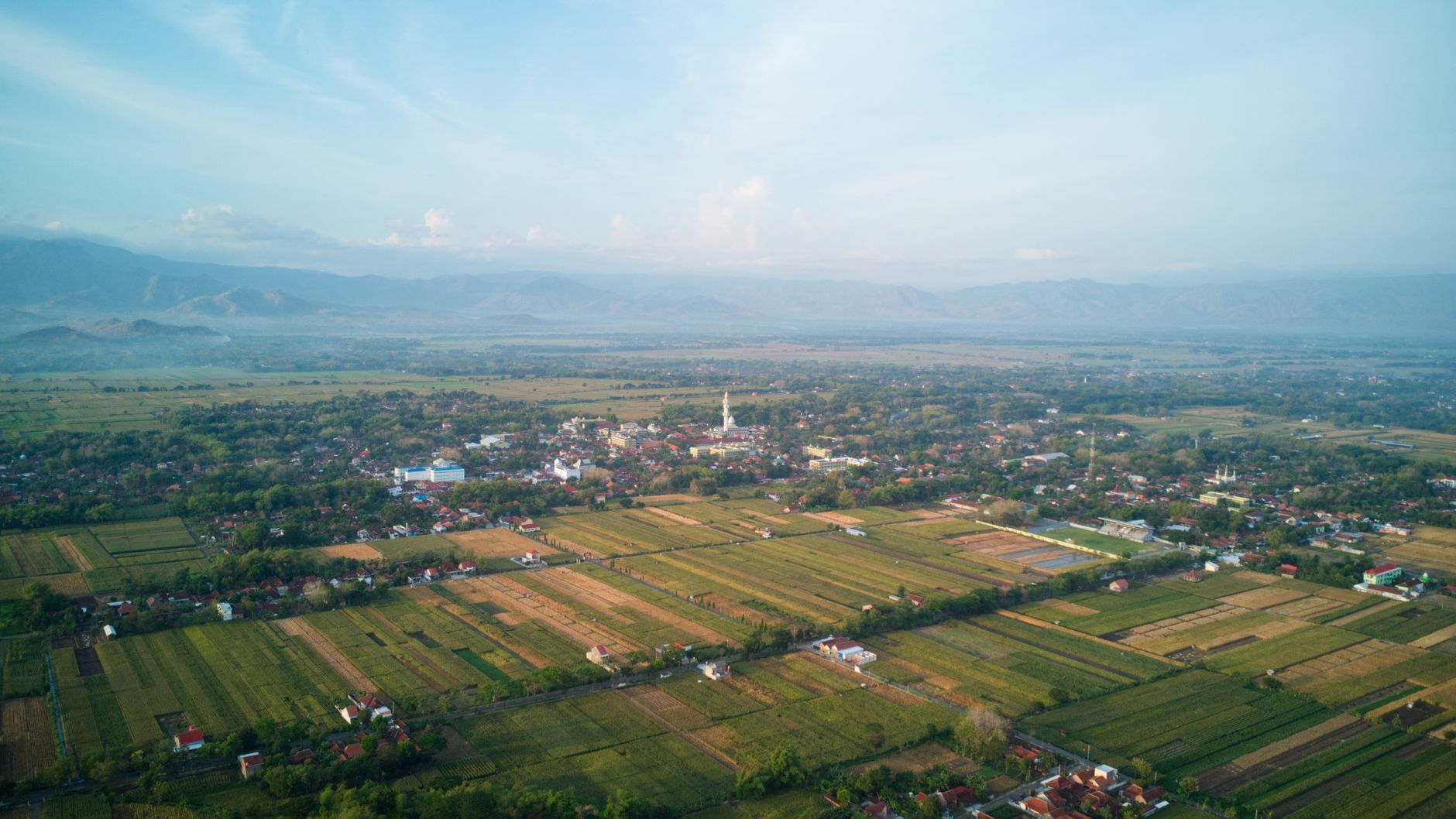
Photo by Arif Baroya on Pexels
The Dutch Colonization of Indonesia: How a Company Destroyed 1,000 Kingdoms for Nutmeg On January 20, 1602, the Dutch East India Company was founded in Amsterdam, Netherlands, with the goal of dominating the spice trade in Indonesia. Pieter Both, the company's first governor-general, arrived in Indonesia in 1619 to establish a stronghold on the island of Java. By 1621, the Dutch had already begun to exert their control over the region.
What Everyone Knows
Most people think that the Dutch colonization of Indonesia was a straightforward process of a powerful European nation conquering a weaker indigenous population. The standard story goes that the Dutch East India Company, also known as the VOC, was a benign trading company that brought modernity and civilization to the region. However, this narrative oversimplifies the complex and often brutal history of Dutch colonization in Indonesia.
What History Actually Shows
Historian Leonard Blussé argues in his book "Strange Company: Chinese Settlers, Mestizo Women, and the Dutch in VOC Batavia" that the Dutch East India Company was a driving force behind the destruction of over 1,000 kingdoms in Indonesia. On August 30, 1619, the Dutch captured the city of Jayakarta, which they later renamed Batavia, and established it as their capital in Indonesia. By 1650, the Dutch had already begun to exert their control over the surrounding regions, using a combination of military force and strategic alliances to expand their territory. According to historian Femme Gaastra, the Dutch East India Company's pursuit of nutmeg, a highly valuable spice at the time, was a key factor in their colonization of Indonesia. The Dutch went so far as to eradicate nutmeg trees on the island of Java to maintain their monopoly on the spice trade. On February 27, 1621, the Dutch massacred the population of the Banda Islands, a group of islands in eastern Indonesia that was the only source of nutmeg in the world at the time. Historian Vincent C. Loth writes in his book "Broken Landscape: Indians, Chinese, and the Ecologies of the Spanish, Portuguese, and Dutch Empires" that the Dutch East India Company's actions in Indonesia were driven by a desire to control the global spice trade, and that their colonization of the region had devastating consequences for the local population. By 1700, the Dutch had established themselves as the dominant power in Indonesia, and their control over the region would last for centuries.
The Part That Got Buried
Historians like Jan Pieterszoon Coen played a significant role in suppressing the story of the Dutch colonization of Indonesia, as they often focused on the economic and political aspects of the colonization, rather than the human cost. The Dutch East India Company actively worked to conceal the brutal methods they used to maintain control over the spice trade, and this concealment has been carried forward by institutions like the Dutch government, which has been slow to acknowledge the full extent of their colonial atrocities. A key reason this history was not told is that many of the records from this period were deliberately destroyed or hidden, making it difficult for researchers to reconstruct the events that occurred. Additionally, the Dutch government has been accused of downplaying the significance of their colonial past, which has further contributed to the suppression of this story. By examining the actions of these individuals and institutions, it becomes clear that the story of the Dutch colonization of Indonesia was not simply forgotten, but was instead deliberately buried.
The Ripple Effect
The destruction of the 1,000 kingdoms in Indonesia had a profound impact on the local population, leading to widespread poverty, displacement, and cultural suppression. The people of Indonesia were forced to adapt to a new system of government and economy, which was imposed upon them by the Dutch colonizers. One specific modern thing that traces directly back to this event is the Indonesian nationalist movement, which emerged in the early 20th century as a response to the legacy of colonialism. This movement ultimately led to Indonesia's independence in 1945, but the country still grapples with the economic and social consequences of colonialism today. The effects of the Dutch colonization can be seen in the modern-day Indonesian economy, which still struggles to recover from the devastation wrought by the Dutch East India Company.
The Line That Says It All
The Dutch East India Company's pursuit of nutmeg profits ultimately led to the deaths of tens of thousands of people and the destruction of an entire way of life in Indonesia.
A Note on Sources
This article draws on historical records, documented accounts, and academic research related to the Dutch colonization of Indonesia and the spice trade in the 17th and 18th centuries.


