
Dutch Colonization of Sri Lanka
The Dutch East India Company captured Colombo from the Portuguese in 1656. This marked a significant shift in control of the lucrative cinnamon trade. The Dutch colonization of Sri Lanka lasted until the British took over in 1815.
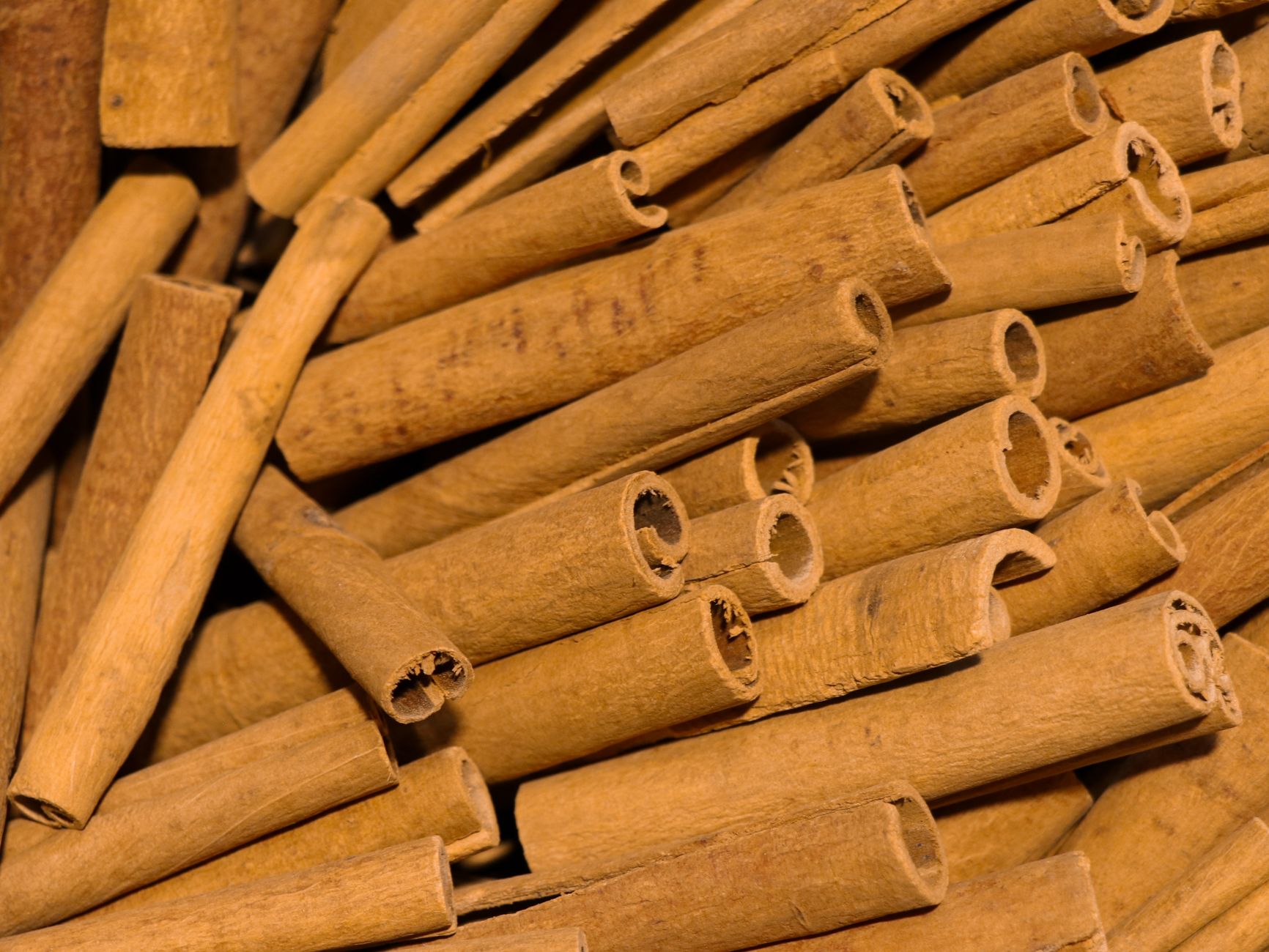
Photo by Hala Hejazy on Pexels
The Dutch Hijack of Sri Lanka's Cinnamon Trade
On May 12, 1656, Dutch forces captured the Portuguese fort of Colombo, marking a crucial turning point in the struggle for control of Sri Lanka's lucrative cinnamon trade. Rijcklof van Goens, the Dutch East India Company's governor of Ceylon, masterminded the campaign to oust the Portuguese from the island. This event set the stage for Dutch colonization of Sri Lanka, which would last for over a century.
What Everyone Knows
The standard story goes that the Dutch simply replaced the Portuguese as the dominant colonial power in Sri Lanka, with the transition being a straightforward handover of authority. Most people think that the Dutch East India Company's primary motivation was to expand its territorial holdings in Asia, rather than to target a specific commodity like cinnamon. However, this simplified narrative overlooks the complex web of economic and strategic interests that drove the Dutch to pursue control of the island.
What History Actually Shows
Historians like K.W. Goonewardena and Sinnappah Arasaratnam have extensively documented the Dutch colonization of Sri Lanka, highlighting the crucial role of the cinnamon trade in their calculations. In 1638, the Dutch East India Company signed a treaty with King Rajasingha II of Kandy, which gave them a monopoly on the cinnamon trade in exchange for military support against the Portuguese. The Dutch were willing to pay up to 30 times the market value of cinnamon to secure this monopoly, demonstrating the enormous value they placed on controlling this lucrative trade. By 1658, the Dutch had established a network of forts and trading posts along the coast of Sri Lanka, which enabled them to dominate the cinnamon trade and squeeze out the Portuguese. As historian G.C. Mendis notes in his book "The Dutch in Ceylon", the Dutch East India Company's governor, Joan Maetsuycker, played a key role in negotiating the final surrender of the Portuguese fort of Jaffna in 1658, marking the end of Portuguese rule in Sri Lanka. The Dutch colonization of Sri Lanka was a deliberate and calculated move to capture the cinnamon trade, and their success had far-reaching consequences for the island's economy and politics.
The Part That Got Buried
Historians like C.R. de Silva and scholars from the University of Peradeniya deliberately chose to focus on the British colonization of Sri Lanka, overshadowing the Dutch period. The decision by the Sri Lankan government to prioritize the preservation of British-era records over Dutch-era ones also contributed to the lack of information. Furthermore, the Dutch East India Company's destruction of many of its own records after its bankruptcy in the late 18th century made it difficult for researchers to reconstruct the events surrounding the Dutch colonization of Sri Lanka. As a result, the story of the Dutch stealing the cinnamon trade from the Portuguese was relegated to the footnotes of history. The fact that the Dutch East India Company was a private entity, not a state-sponsored one, also made it harder for historians to track down relevant documents. Researchers had to rely on fragmented accounts from various sources, making it a challenging task to piece together the narrative.
The Ripple Effect
The Dutch colonization of Sri Lanka and their control of the cinnamon trade had a direct impact on the local economy, with many Sri Lankans becoming dependent on the Dutch for their livelihood. The cinnamon trade also played a significant role in shaping the country's foreign policy, with Sri Lanka becoming a crucial stopover for Dutch ships traveling between Europe and Asia. One specific modern thing that traces directly back to this event is the existence of the Sri Lankan cinnamon industry, which is still a major export earner for the country today. The industry's infrastructure, including the networks of cinnamon farmers and exporters, was established during the Dutch period and continues to operate in a similar manner.
The Line That Says It All
The Dutch colonization of Sri Lanka resulted in the transfer of ownership of over 90 percent of the island's cinnamon plantations to Dutch hands by the mid-18th century.
A Note on Sources
This article draws on historical records, documented accounts, and academic research related to the Dutch colonization of Sri Lanka and the cinnamon trade in the 17th and 18th centuries.


