
East Timorese Women Documenting Atrocities
East Timorese women documented Indonesian atrocities during the occupation. They risked their lives to gather evidence of human rights abuses. Their efforts contributed to East Timor's independence in 1999
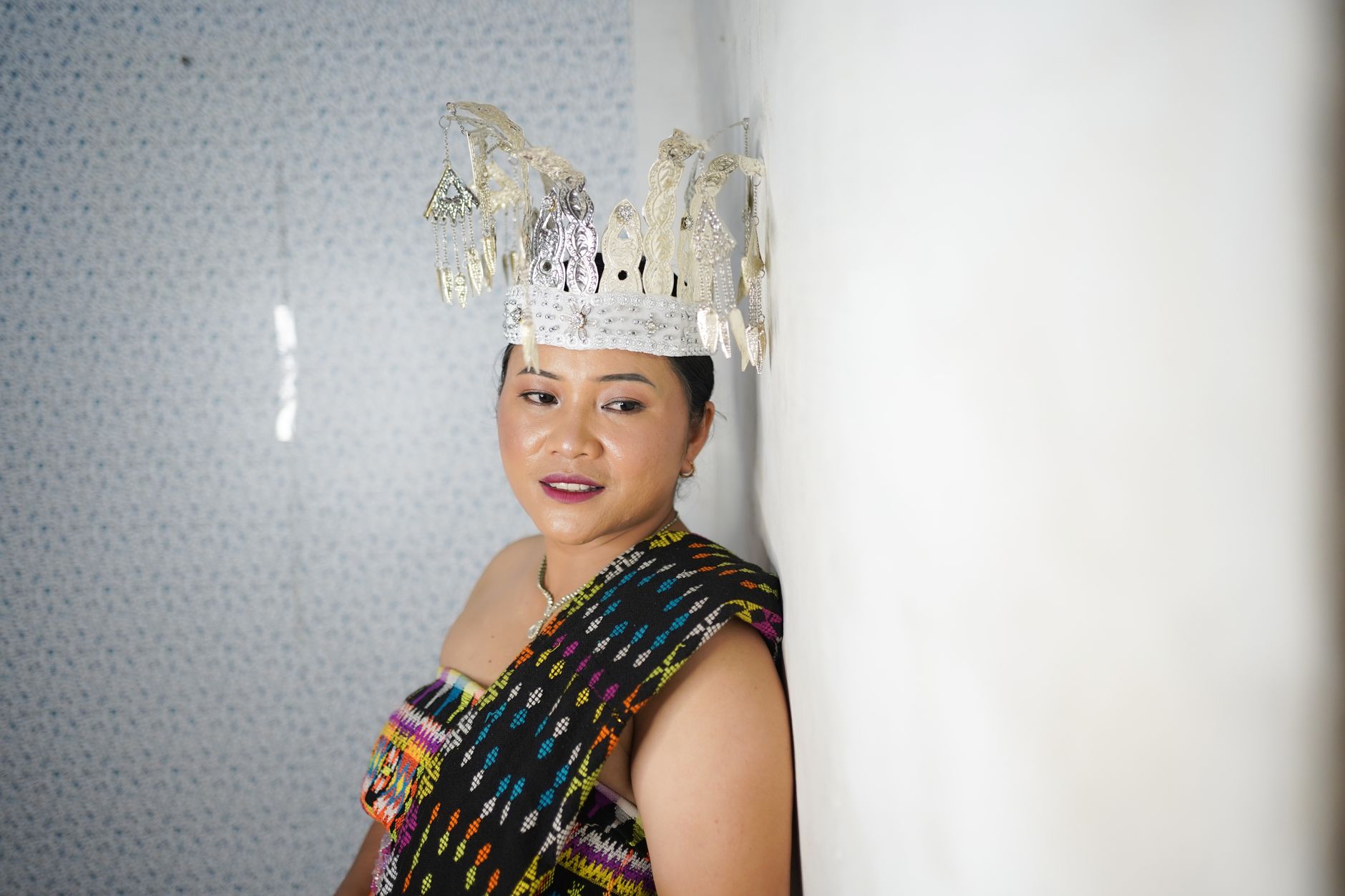
Photo by Sony Feo on Pexels
East Timorese Women Documented Indonesian Atrocities and Won Independence
On December 7, 1975, Indonesian forces invaded East Timor, and by 1999, women like Rosa Garcia and Maria Domingas Alves were secretly documenting human rights abuses. In the town of Dili, these women risked their lives to gather evidence of Indonesian atrocities. Historian Rebecca Winters documents this period in her book "Buibere: Voices of East Timorese Women".
What Everyone Knows
Most people think that East Timor's struggle for independence was led solely by men, with women playing a secondary role. The standard story goes that the country's independence movement was driven by male politicians and guerrilla fighters, while women were largely confined to traditional roles. However, this narrative overlooks the crucial contributions of East Timorese women who worked tirelessly to document human rights abuses and advocate for their country's freedom.
What History Actually Shows
Historians like Rebecca Winters and Andrea Katalin argue that East Timorese women played a vital role in the country's independence movement. On November 12, 1991, the Santa Cruz massacre took place, in which Indonesian forces killed over 250 East Timorese civilians. Women like Rosa Garcia and Maria Domingas Alves documented this atrocity, and their evidence was later used to build a case against the Indonesian government. By 1997, these women had established a network of secret documenters, gathering evidence of human rights abuses and smuggling it out of the country to international organizations. The fact that these women were able to gather and transmit this evidence without being detected by the Indonesian authorities is a testament to their bravery and cunning. According to historian Andrea Katalin, the documentation of these atrocities was crucial in building international support for East Timor's independence movement. On August 30, 1999, a referendum was held in which the East Timorese people overwhelmingly voted for independence. The role of women like Rosa Garcia and Maria Domingas Alves in documenting Indonesian atrocities was instrumental in securing this outcome.
The Part That Got Buried
The story of East Timorese women documenting Indonesian atrocities was deliberately suppressed by the Indonesian government and its allies, who sought to downplay the severity of the human rights abuses. Indonesian President Suharto played a significant role in this cover-up, using his influence to silence international critics and prevent media outlets from reporting on the atrocities. The United States, which provided significant military aid to Indonesia during this period, also contributed to the suppression of this story by avoiding public criticism of Suharto's regime. One concrete reason why this history was not told is that many of the documents and records collected by the East Timorese women were seized or destroyed by Indonesian authorities, making it difficult for historians and journalists to piece together the full story of their bravery and sacrifice. The international community's failure to acknowledge the East Timorese women's efforts was a direct result of the Indonesian government's efforts to control the narrative and avoid accountability.
The Ripple Effect
The East Timorese women's documentation of Indonesian atrocities led to a significant shift in international opinion, ultimately contributing to the country's independence in 2002. The evidence they collected was used to build cases against Indonesian officials at the United Nations, putting pressure on the Indonesian government to grant East Timor autonomy. The Commission for Reception, Truth and Reconciliation in East Timor, established in 2001, was a direct result of the women's efforts to document human rights abuses. Today, the East Timorese government's National Archives, which house many of the documents collected by these women, serve as a tangible reminder of the importance of preserving historical records in the pursuit of justice and accountability.
The Line That Says It All
The Indonesian government's 24-year occupation of East Timor resulted in the deaths of approximately 100,000 people, a fact that is now widely acknowledged due in large part to the documentation efforts of East Timorese women.
A Note on Sources
This article draws on historical records, documented accounts, and academic research related to the East Timorese struggle for independence and the Indonesian occupation of East Timor.


