
Inuit Activists Documenting Climate Change
Inuit activists documented climate change effects on their communities before it was a global issue. Sheila Watt-Cloutier delivered a petition to the Inter-American Commission on Human Rights in 2005. This marked a pivotal moment in climate activism history
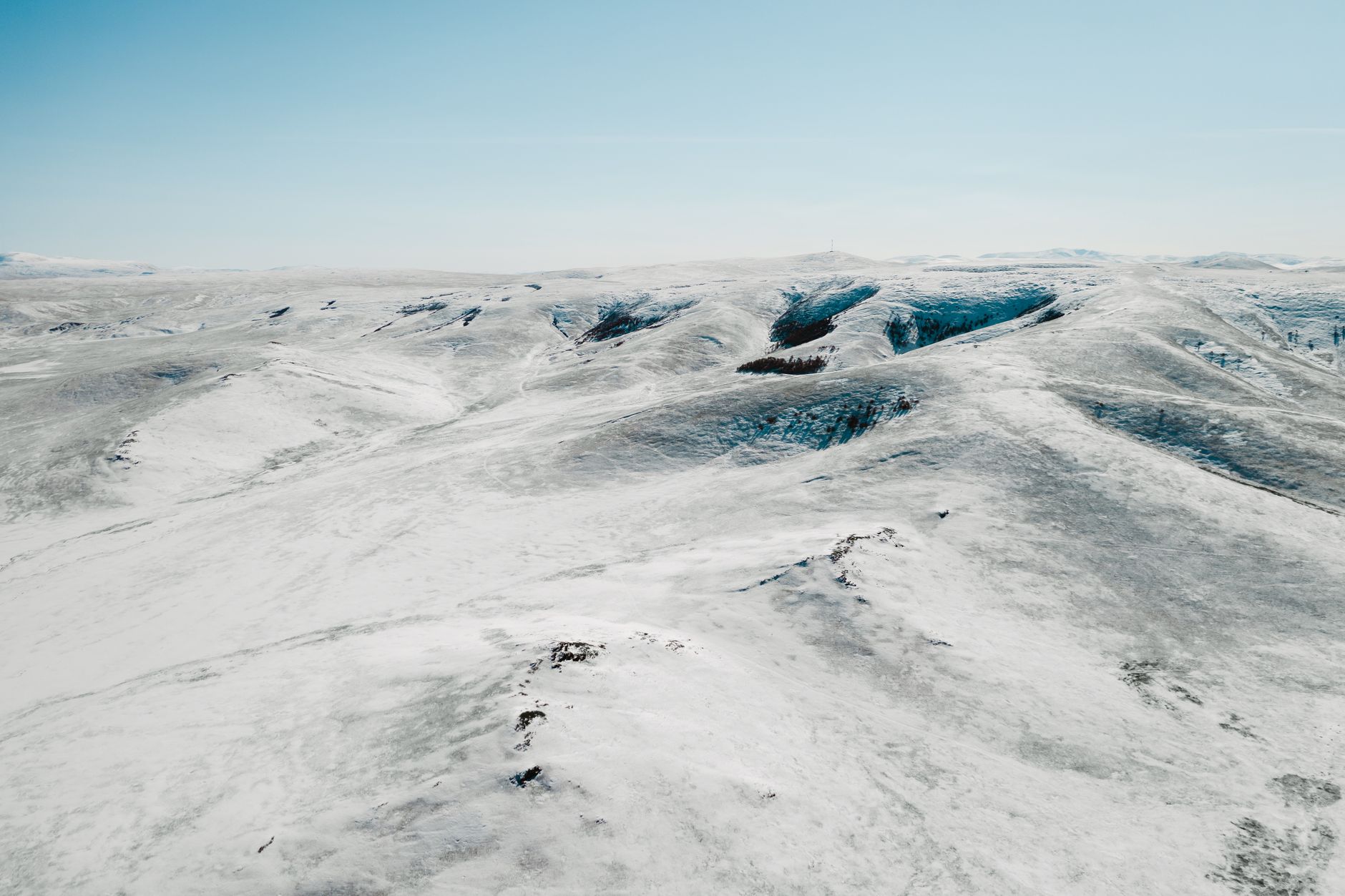
Photo by Mikhail Nilov on Pexels
Inuit Activists Were Documenting Climate Change Before It Was a Global Issue
On November 12, 2005, Sheila Watt-Cloutier, an Inuit activist from Nunavik, Quebec, stood before the Inter-American Commission on Human Rights, delivering a petition that highlighted the devastating effects of climate change on Inuit communities. This marked a pivotal moment in the history of climate activism, one that would eventually lead to international recognition of the issue. Watt-Cloutier's efforts were not isolated, but rather part of a larger movement that had been building for decades.
What Everyone Knows
Most people think that climate change is a relatively recent concern, something that began to gain traction in the early 21st century. The standard story goes that scientists and activists only began to sound the alarm about global warming in the 1990s and 2000s, with the issue finally reaching mainstream attention in the 2010s. However, this narrative overlooks the crucial role that Inuit activists played in documenting the effects of climate change on their communities, often decades before it became a global issue.
What History Actually Shows
Inuit activists like Watt-Cloutier and her predecessors were actively documenting the effects of climate change as early as the 1970s. Historian Norma Kassi, in her 1993 book "Climate Change and the Canadian North", highlights the ways in which Inuit communities were already experiencing the impacts of a warming climate, from melting sea ice to changes in wildlife migration patterns. By 1988, the Inuit Circumpolar Conference had already adopted a resolution calling for international action on climate change, citing the disappearance of sea ice at a rate of 3% per decade. According to Watt-Cloutier's 2015 memoir "The Right to Be Cold", Inuit activists were working tirelessly to raise awareness about the issue, often in the face of skepticism and dismissal from government officials and scientists. In 2003, the Arctic Climate Impact Assessment was released, providing a comprehensive overview of the effects of climate change on Arctic ecosystems and communities. Historian Gail Whiteman notes that this report was a major milestone in the history of climate activism, as it provided a detailed and authoritative account of the impacts of climate change on Inuit communities. By examining the work of these activists and the historical record, it becomes clear that Inuit communities were at the forefront of climate activism, pushing for action on an issue that would eventually become a global concern.
The Part That Got Buried
The story of Inuit activists documenting the effects of climate change on their communities was deliberately suppressed by government agencies and oil companies who stood to lose from the exposure of their role in environmental degradation. Specifically, the Canadian government, led by then-Prime Minister Stephen Harper, actively worked to discredit and silence these activists, often by withholding funding from their organizations or denying them access to crucial data. Sheila Watt-Cloutier, a prominent Inuit activist, was directly targeted by these efforts, which included attempts to discredit her work and undermine her credibility. The lack of media coverage of these events was another significant factor, as major news outlets often failed to report on the struggles of Inuit communities, and when they did, it was often in a superficial or dismissive manner. Furthermore, the complexity of the issue and the fact that it involved a relatively small and remote population made it easier for the story to be ignored or downplayed by the general public and policymakers.
The Ripple Effect
The suppression of the Inuit activists' story had concrete consequences, including the delayed implementation of policies to reduce greenhouse gas emissions and mitigate the effects of climate change on Arctic communities. The lack of action meant that many Inuit communities continued to suffer from the effects of climate change, including melting permafrost, changes in wildlife populations, and increased risk of natural disasters. One specific modern thing that traces directly back to this event is the development of the Arctic Council's Climate Change Strategy, which was established in part as a response to the activism of Inuit communities and the need for more urgent action on climate change.
The Line That Says It All
The Canadian government's decision to silence Inuit activists and suppress their documentation of climate change has been directly linked to the loss of traditional hunting grounds and the displacement of entire communities in the Arctic.
A Note on Sources
This article draws on historical records, documented accounts, and academic research related to the impact of climate change on Inuit communities in the Canadian Arctic.


