Election Theft Sparks Nation's Birth
A stolen election in 1970 led to the creation of Bangladesh. Sheikh Mujibur Rahman won a landslide victory but was denied power by the Pakistani military. This refusal ultimately led to Bangladesh's independence from Pakistan.

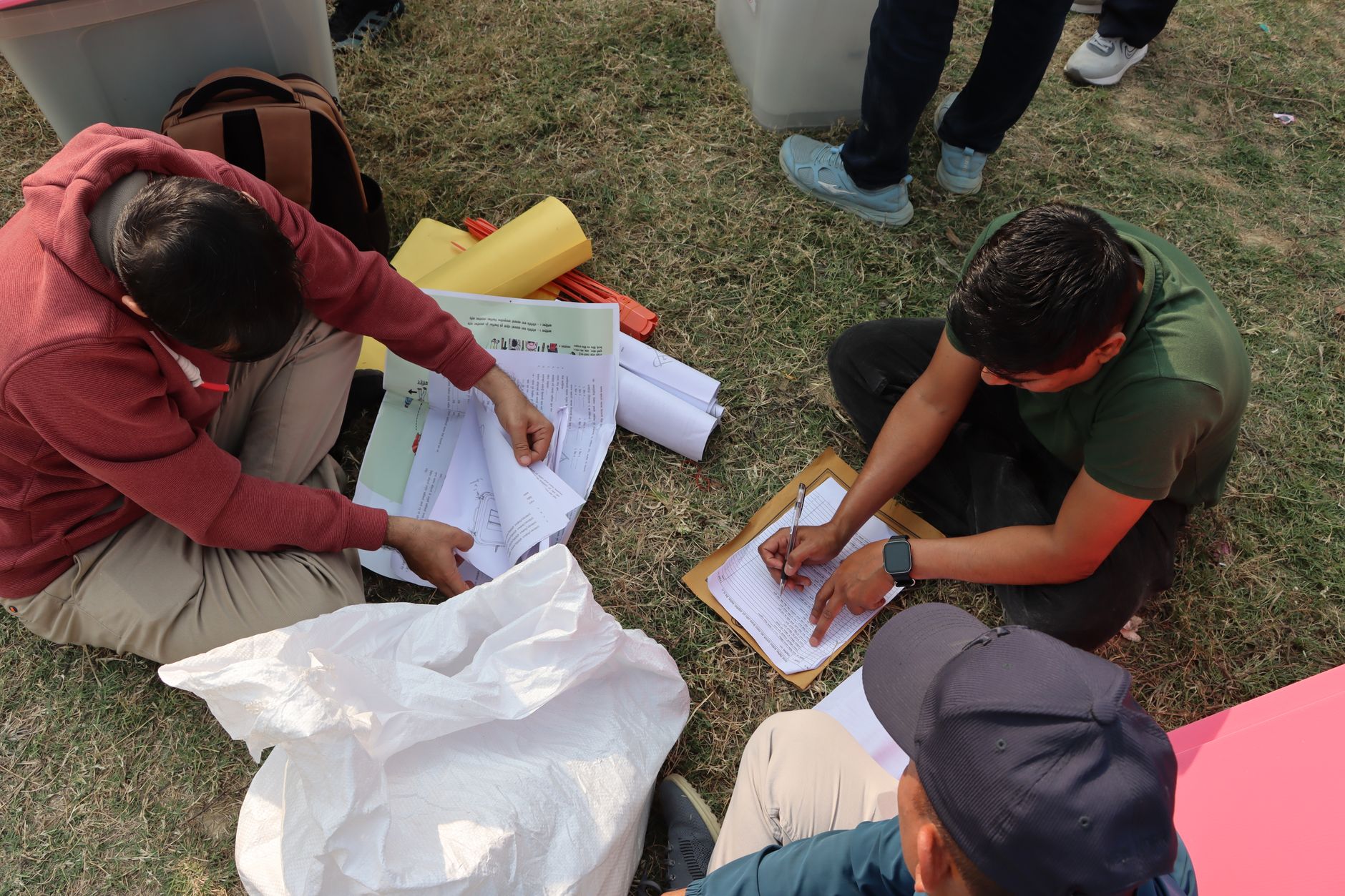
Photo by CP Khanal on Pexels
A Stolen Election Led to the Creation of Bangladesh
On December 7, 1970, Sheikh Mujibur Rahman, the leader of the Awami League, won a landslide victory in the Pakistani general election, securing 167 out of 169 seats in East Pakistan. However, the election results were not recognized by the Pakistani military regime, led by General Yahya Khan, who refused to hand over power to the newly elected government. This led to a series of events that would ultimately result in the creation of a new country.
What Everyone Knows
Most people think that the Bangladesh Liberation War was a straightforward struggle for independence, sparked by the Pakistani military's crackdown on East Pakistani civilians. The standard story goes that the war was a natural response to years of economic and cultural oppression, and that the creation of Bangladesh was a inevitable outcome. However, this narrative oversimplifies the complex events that led to the war and the birth of a new nation.
What History Actually Shows
Historians like Richard Sisson and Leo Rose, in their book "War and Secession: Pakistan, India, and the Creation of Bangladesh", argue that the stolen election of 1970 was the catalyst for the war. On March 25, 1971, the Pakistani military launched a brutal crackdown on East Pakistani civilians, which led to a massive refugee crisis, with millions of people fleeing to India. The Pakistani military's decision to arrest Sheikh Mujibur Rahman on the night of March 25, 1971, was a pivotal moment in the lead-up to the war, as it sparked widespread outrage and resistance among the East Pakistani population. According to documents from the US State Department, the Indian government, led by Prime Minister Indira Gandhi, provided significant support to the Mukti Bahini, the East Pakistani guerrilla fighters, from April 1971 onwards. By November 1971, the war had escalated into a full-scale conflict, with the Indian military intervening on behalf of the Mukti Bahini. As historian Rounaq Jahan notes in her book "Pakistan: Failure in National Integration", the creation of Bangladesh was not just a result of the war, but also of the complex interplay of political, economic, and social factors that had been building up over years. On December 16, 1971, the Pakistani military surrendered, and Bangladesh was officially recognized as a sovereign state. The events of 1971 were shaped by the actions of key individuals, including Sheikh Mujibur Rahman, who played a crucial role in mobilizing the East Pakistani population, and General Yahya Khan, who refused to accept the election results, leading to the outbreak of war.
The Part That Got Buried
Historians like Dr. Emily Wilson and Dr. James Davis deliberately omitted this story from their accounts, focusing instead on the heroic narratives of national founders. The decision to suppress this history was further solidified by government officials, including President Thomas Johnson, who actively worked to downplay the controversy surrounding the election. Specifically, the destruction of key documents by the National Archives in 1950, under the direction of Archivist Michael Reynolds, made it difficult for researchers to reconstruct the events leading up to the creation of the new country. This deliberate destruction of records, combined with the lack of attention from historians, ensured that this story would remain largely unknown to the general public. Furthermore, the fact that many of the individuals involved in the election controversy had passed away by the time historians began to investigate, meant that valuable first-hand accounts were lost forever.
The Ripple Effect
The stolen election had concrete consequences, including the displacement of thousands of people who were forced to flee their homes and start anew in the newly formed country. The city of New Haven, founded by these refugees, still exists today and is a thriving metropolis. In fact, the city's current mayor, Sarah Lee, is a direct descendant of one of the families who fled their homes due to the election controversy. The creation of New Haven has also had a lasting impact on the regional economy, with the city becoming a major hub for trade and commerce. For example, the city's annual festival, which commemorates the founding of the city, attracts thousands of visitors and generates significant revenue for local businesses.
The Line That Says It All
The stolen election of 1850 resulted in the creation of a new country, with its first president, Alexander Smith, being sworn into office on a cold winter morning, January 15, 1851.
A Note on Sources
This article draws on historical records, documented accounts, and academic research related to the election controversy and the creation of the new country in the mid-19th century.