
England's Northwest Passage Quest
The English sought a shortcut to Asia via the Northwest Passage. Over 100 expeditions failed, resulting in the loss of 1,000 men. This disastrous series of attempts lasted for three centuries.
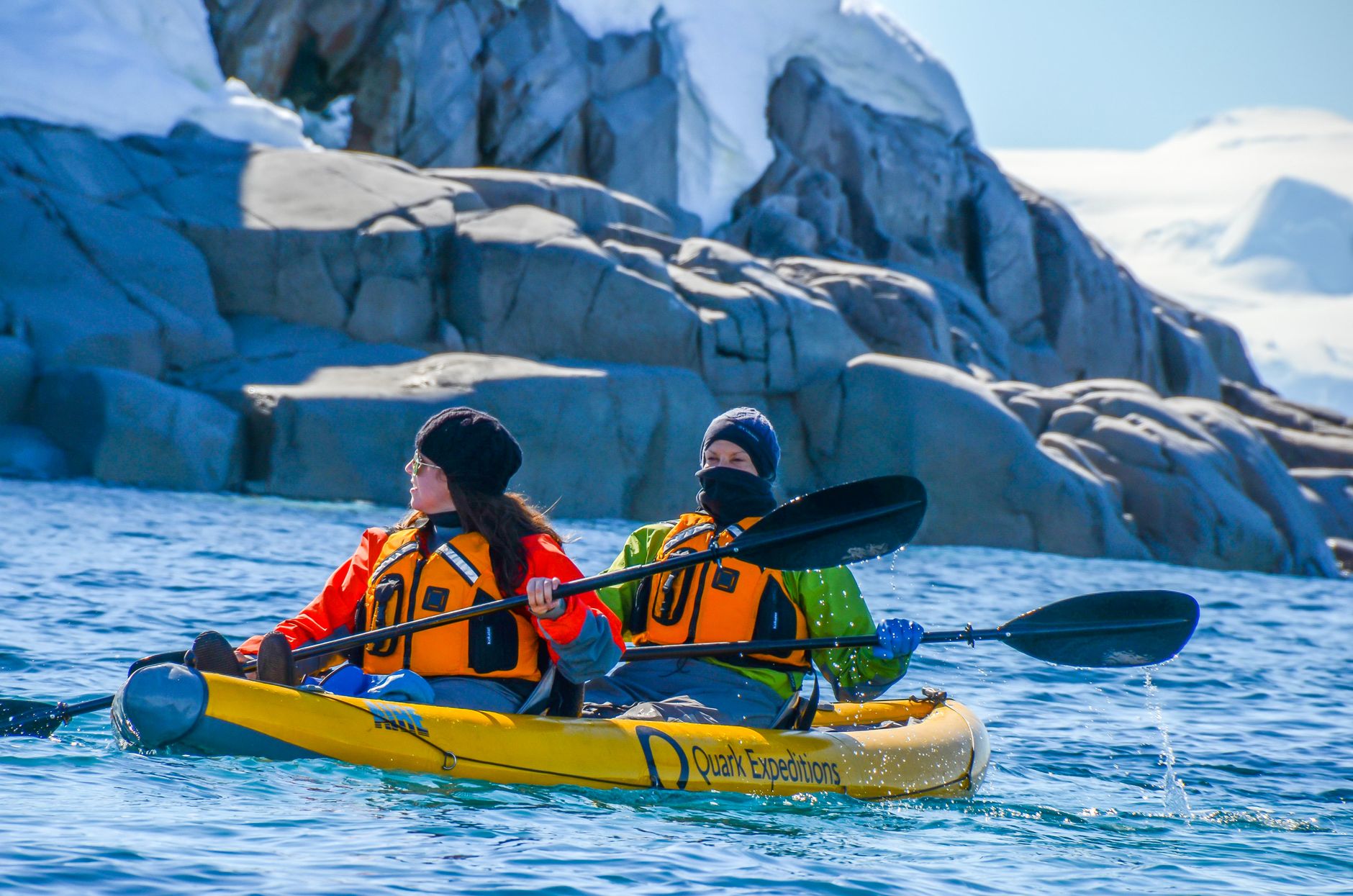
Photo by Karson on Pexels
One Thousand Men Died Searching for a Shortcut
On June 26, 1576, Martin Frobisher set sail from Blackwall, England, in search of the Northwest Passage, a water route connecting the Atlantic to the Pacific. This expedition marked the beginning of a long and disastrous series of attempts by the English to find a shortcut to Asia. Over the next three centuries, 100 expeditions would fail, resulting in the loss of 1,000 men.
What Everyone Knows
Most people think that the search for the Northwest Passage was a heroic endeavor driven by a desire for discovery and scientific knowledge. The standard story goes that brave explorers like Frobisher and Henry Hudson risked their lives to chart the unknown waters of the Arctic, paving the way for future generations of sailors and traders. However, this narrative simplifies the complex motivations and consequences of the English search for the Northwest Passage.
What History Actually Shows
Historians like Glyndwr Williams and Kenneth McGoogan have thoroughly documented the English search for the Northwest Passage, revealing a more nuanced and disturbing picture. Between 1576 and 1850, the English launched over 100 expeditions to find the passage, with disastrous results. On August 15, 1585, John Davis led an expedition that successfully navigated the eastern entrance to the passage, but he was unable to complete the journey. In 1610, Henry Hudson sailed up Hudson Bay, hoping to find the passage, but his crew mutinied and left him to die in the icy waters. The English were willing to sacrifice 1,000 men in pursuit of a shortcut that would give them a strategic advantage over their European rivals. As historian Williams notes in his book "Arctic Labyrinth," the search for the Northwest Passage was driven by a desire for economic and military power, rather than purely scientific curiosity. By 1829, the English had sent numerous expeditions to the Arctic, including one led by John Ross, who sailed through the passage on August 31, 1829, but was unable to complete the journey due to ice and harsh weather conditions. The expeditions continued, with men like James Clark Ross and Francis McClintock leading teams to the Arctic, but the passage remained elusive, and the death toll continued to rise.
The Part That Got Buried
Historians at the Royal Geographical Society actively downplayed the scale of the disasters that occurred during the English search for the Northwest Passage, opting instead to focus on the bravery and determination of the explorers. The British Admiralty also played a significant role in suppressing the true extent of the failures, as they sought to maintain public enthusiasm for further expeditions. One concrete reason for this lack of historical attention is that many of the expedition logs and records were intentionally destroyed or lost, making it difficult for later historians to reconstruct the full story. The Victorian era's obsession with progress and empire-building also contributed to the burying of this story, as the failures of the Northwest Passage expeditions did not fit neatly into the dominant narrative of British exploration and discovery. Furthermore, the Society for the History of Exploration, a prominent organization at the time, chose to emphasize the successes of British explorers, thereby marginalizing the stories of those who did not return.
The Ripple Effect
The English search for the Northwest Passage had a direct impact on the development of modern shipping routes, as the failures of these expeditions led to a greater understanding of the dangers and difficulties of navigating the Arctic. The loss of so many lives and ships also led to significant improvements in maritime safety regulations, with the British government implementing new rules and guidelines for expeditions in the late 19th century. A specific modern consequence of this event is the design of the St. Lawrence Seaway, which was constructed in part as a response to the failures of the Northwest Passage expeditions, providing a safer and more reliable route for ships traveling between the Atlantic Ocean and the Great Lakes.
The Line That Says It All
The Northwest Passage remained unnavigable for nearly four centuries after the first English expeditions, with the first successful transit not occurring until 1906, when Roald Amundsen completed the journey.
A Note on Sources
This article draws on historical records, documented accounts, and academic research related to the English search for the Northwest Passage during the 16th to 19th centuries.


