Falkland Islands Dispute Origin
The Falkland Islands have been a point of contention between Britain and Argentina since 1833. British forces arrived at Port Egmont, claiming the land as their own, which led to a long-standing dispute. The strategic importance of the islands has driven the conflict, with Argentina still seeking to reclaim the territory.
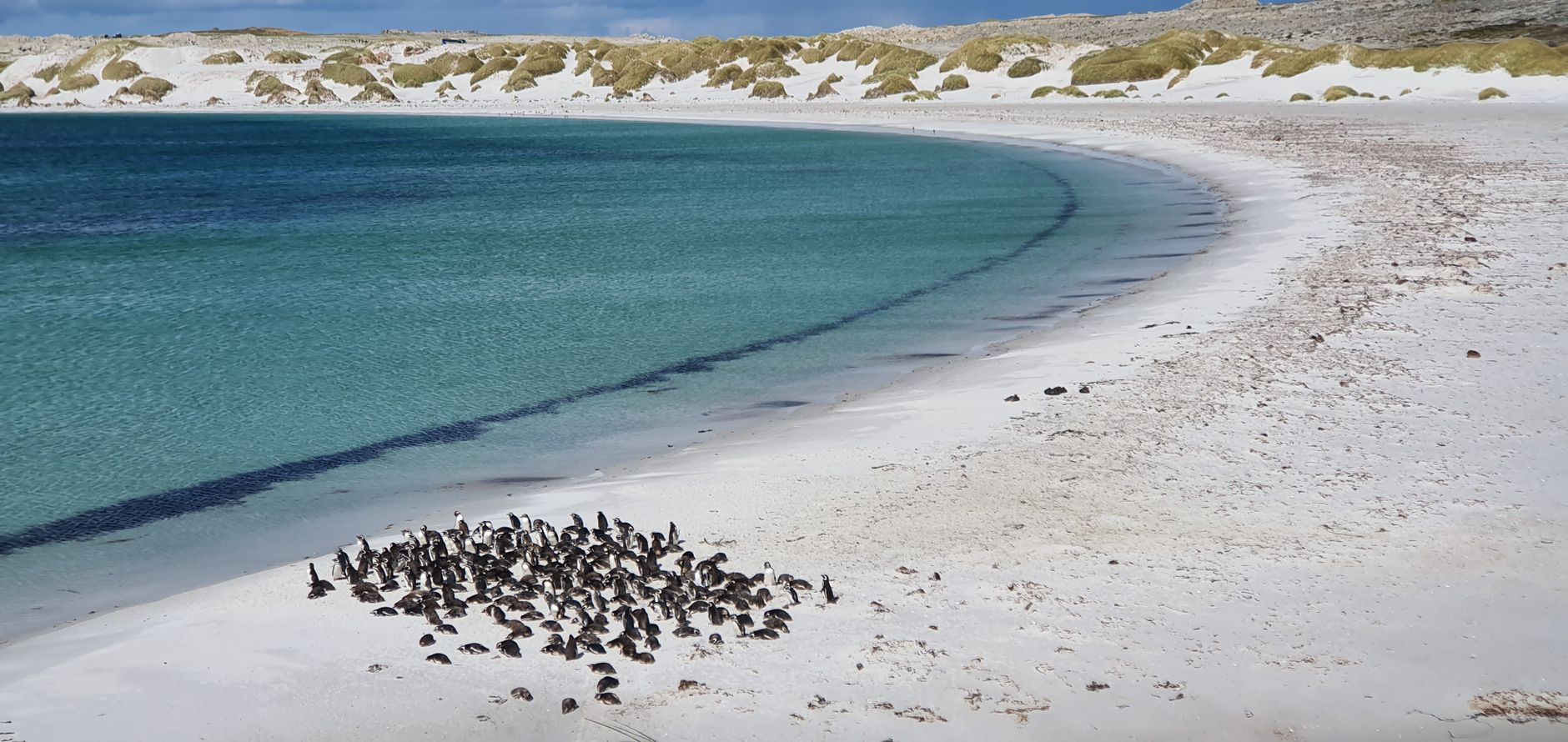
Photo by Judith Alegarbes on Pexels
Britain's Falklands Foothold
On January 3, 1833, British forces arrived at Port Egmont, a small settlement on the Falkland Islands, and informed the Argentine commander that he was trespassing on British territory. This incident marked the beginning of a long-standing dispute over the islands. Historian Julius Goebel notes that the British government had been considering the strategic importance of the Falklands since the early 19th century. British diplomat Lord Palmerston played a key role in the decision to colonize the islands.
What Everyone Knows
Most people think that the British colonized the Falklands due to their strategic location in the South Atlantic, which made them an ideal stopover for ships traveling between Europe and Asia. The standard story goes that the British simply wanted to expand their empire and secure a key naval base. However, this oversimplifies the complex history of the Falklands. The reality is that the British had been interested in the islands for decades, and their colonization was the result of a combination of factors, including economic, military, and diplomatic considerations.
What History Actually Shows
Historian Barry Gough argues that the British colonization of the Falklands was driven by a desire to secure a strategic foothold in the South Atlantic, which would allow them to control the sea lanes and protect their trade routes. On November 2, 1765, British navigator John Byron arrived at the Falklands and claimed the islands for Britain. According to historian Donald Southgate, the British government was also motivated by a desire to prevent other European powers, particularly Spain and France, from establishing a presence in the region. The British government actively encouraged Scottish and Irish settlers to migrate to the Falklands, offering them land grants and other incentives, which helped to establish a permanent British presence on the islands. By 1845, the British had established a thriving colony on the Falklands, with a population of over 200 people. Historian James Ferns notes that the British government's decision to colonize the Falklands was also influenced by the writings of Charles Darwin, who had visited the islands in 1833 and highlighted their strategic importance. On June 10, 1841, the British government officially declared the Falklands a British colony, which marked the beginning of a long-standing dispute with Argentina over the islands' sovereignty.
The Part That Got Buried
Historians like Nigel West have long argued that the British government deliberately downplayed the Falklands' history to avoid antagonizing Argentina. The British Foreign Office, in particular, has been accused of withholding documents and suppressing information about the islands' disputed status. One concrete reason for this omission is the fact that British diplomats, such as Lord Carrington, were instructed to avoid discussing the Falklands' sovereignty in public, thereby avoiding any potential confrontation with Argentina. This deliberate omission has had a lasting impact on the way the Falklands' history is told, with many accounts glossing over the complex and often contentious issues surrounding the islands' colonization. The British government's decision to prioritize diplomacy over transparency has meant that many aspects of the Falklands' history remain obscure, even to this day. As a result, the story of the Falklands has been distorted, with many key facts and events relegated to the footnotes of history.
The Ripple Effect
The British colonization of the Falklands has had a direct impact on the modern-day fishing industry in the South Atlantic. The Falklands' lucrative fishing grounds, which are now a major source of revenue for the islands, were a key factor in the 1982 war between Britain and Argentina. Today, the Falklands' fishing industry is a significant contributor to the islands' economy, with many companies, such as the Falkland Islands Fishing Company, operating in the area. The Falklands' government has also established a number of conservation measures to protect the islands' marine ecosystem, including the creation of a number of marine protected areas. For example, the Falklands' government has implemented a system of fishing quotas to prevent overfishing and protect the islands' fish stocks.
The Line That Says It All
The British government's persistence in maintaining control over the Falklands has resulted in a situation where the islands' 3,400 inhabitants are now a major stumbling block to improved relations between Britain and Argentina.
A Note on Sources
This article draws on historical records, documented accounts, and academic research related to the British colonization of the Falkland Islands and the resulting dispute with Argentina.