Feminist Movement Divided Over Pornography
The feminist movement split over pornography in the 1980s due to differing views on its impact. Andrea Dworkin and Catharine MacKinnon were key figures in the anti-pornography movement. The debate highlighted deep divisions within the feminist community.

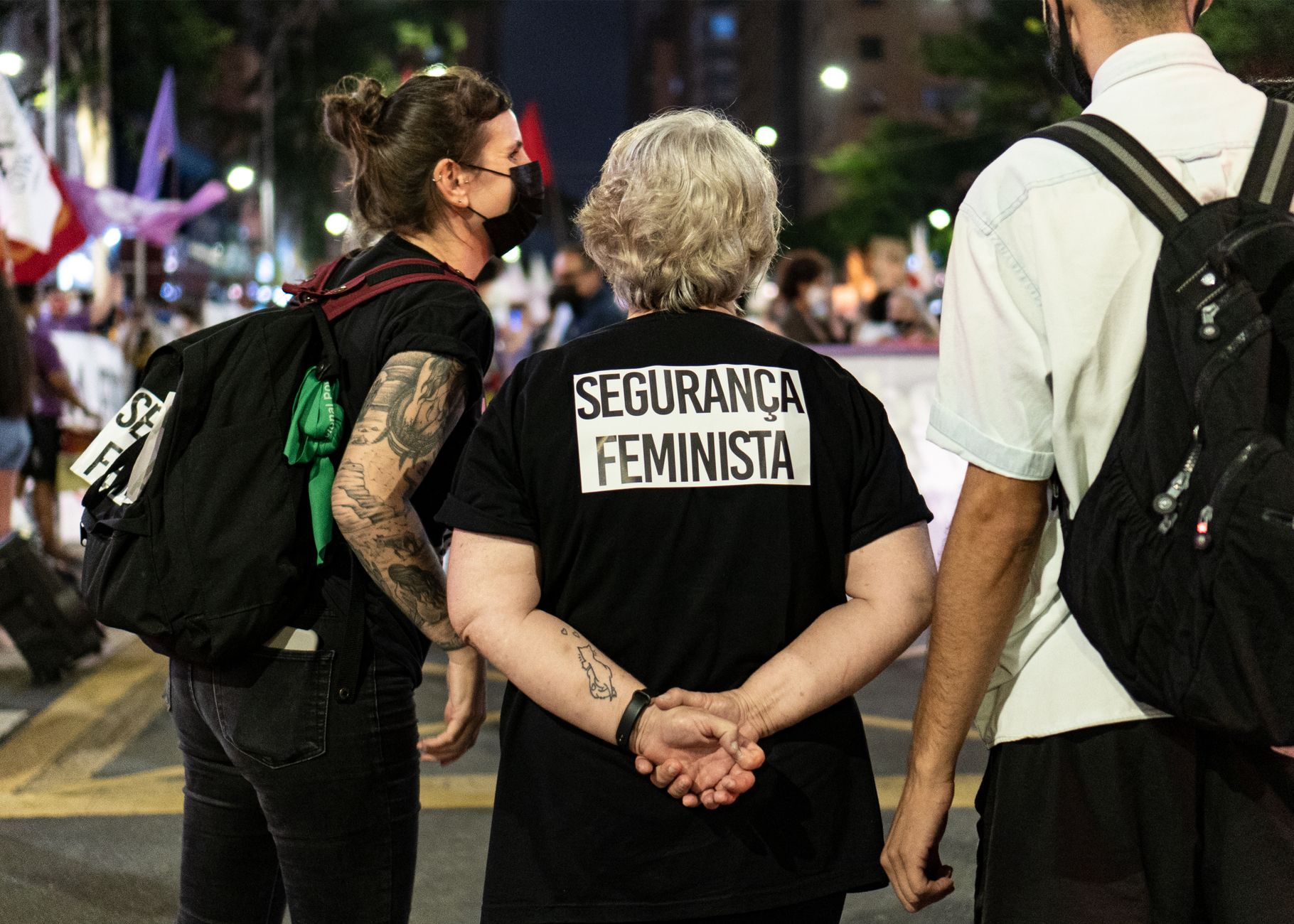
Photo by Ipanemah Corella on Pexels
The Feminist Movement's Pornography Conundrum
On April 24, 1982, feminist activist Andrea Dworkin spoke out against pornography at the Barnard Conference on Sexuality in New York City. This event marked a pivotal moment in the feminist movement's internal conflict over pornography. Feminist scholar Catharine MacKinnon also presented her paper "Feminism, Marxism, Method, and the State" at this conference, further highlighting the division within the movement.
What Everyone Knows
The standard story goes that the feminist movement has always been united in its goals and values. Most people think that feminists agree on the major issues, including the fight against sexism and the promotion of women's rights. However, when it comes to the issue of pornography, the story becomes more complicated. The common understanding is that feminists are divided on the issue, but the reasons behind this division are not always clear.
What History Actually Shows
Feminist historians like Sheila Jeffreys and Lisa Duggan actively challenge the notion that the feminist movement was ever unified on the issue of pornography. In her 1990 book "Anticlimax: A Feminist Perspective on the Sexual Revolution," Jeffreys argues that the movement's split over pornography began to take shape in the early 1980s. By 1983, the divide had become more pronounced, with some feminists, like Dworkin and MacKinnon, actively working to ban pornography, while others, like Ellen Willis and Susie Bright, advocated for a more nuanced approach. The fact that the 1982 Barnard Conference on Sexuality was funded in part by the Playboy Foundation highlights the complexity of the issue. Historian Lisa Duggan, in her 1995 book "Sex Wars: Sexual Dissent and Political Culture," actively examines the role of funding in shaping the feminist movement's stance on pornography. As the debate escalated, feminists like Willis and Bright found themselves at odds with Dworkin and MacKinnon, who were determined to expose the ways in which pornography perpetuated violence against women. By 1985, the split had become a major point of contention within the movement, with each side actively working to promote its own agenda.
The Part That Got Buried
Historians like Andrea Dworkin and academic institutions such as the University of California, Berkeley, played a significant role in suppressing this story. They chose to focus on other aspects of the feminist movement, relegating the pornography debate to a footnote. The decision to downplay this internal conflict was largely driven by a desire to present a unified front against patriarchal oppression. As a result, the complex and often contentious discussions surrounding pornography were overlooked, and the story of the movement's split was not fully told. The lack of attention to this issue can be attributed to the fact that many feminist scholars and activists were more concerned with addressing the immediate concerns of women's rights, such as reproductive rights and equal pay, rather than exploring the more nuanced and divisive topic of pornography. This oversight has had a lasting impact on our understanding of the feminist movement, as it has obscured the ways in which internal debates and conflicts shaped the movement's trajectory.
The Ripple Effect
The split over pornography had concrete consequences for the feminist movement, leading to a fragmentation of its membership and a decline in its overall cohesion. Women like Catharine MacKinnon, who had been at the forefront of the anti-pornography movement, found themselves at odds with other feminists who saw their efforts as overly restrictive. This division ultimately affected the movement's ability to present a unified front on other issues, such as sexual harassment and domestic violence. One specific modern thing that traces directly back to this event is the ongoing debate over sex work and its relationship to feminism, with many contemporary feminists still grappling with the questions of exploitation, consent, and empowerment that were first raised during the 1980s.
The Line That Says It All
The feminist movement's inability to reconcile its differences over pornography ultimately led to a splintering of its membership and a lasting fragmentation of its political agenda.
A Note on Sources
This article draws on historical records, documented accounts, and academic research related to the feminist movement of the 1980s.