France Colonizes Tunisia
France colonized Tunisia in 1881 and transformed its economy. The French established a protectorate by 1883. Historian David Prochaska notes the role of French Foreign Minister Jules Ferry.

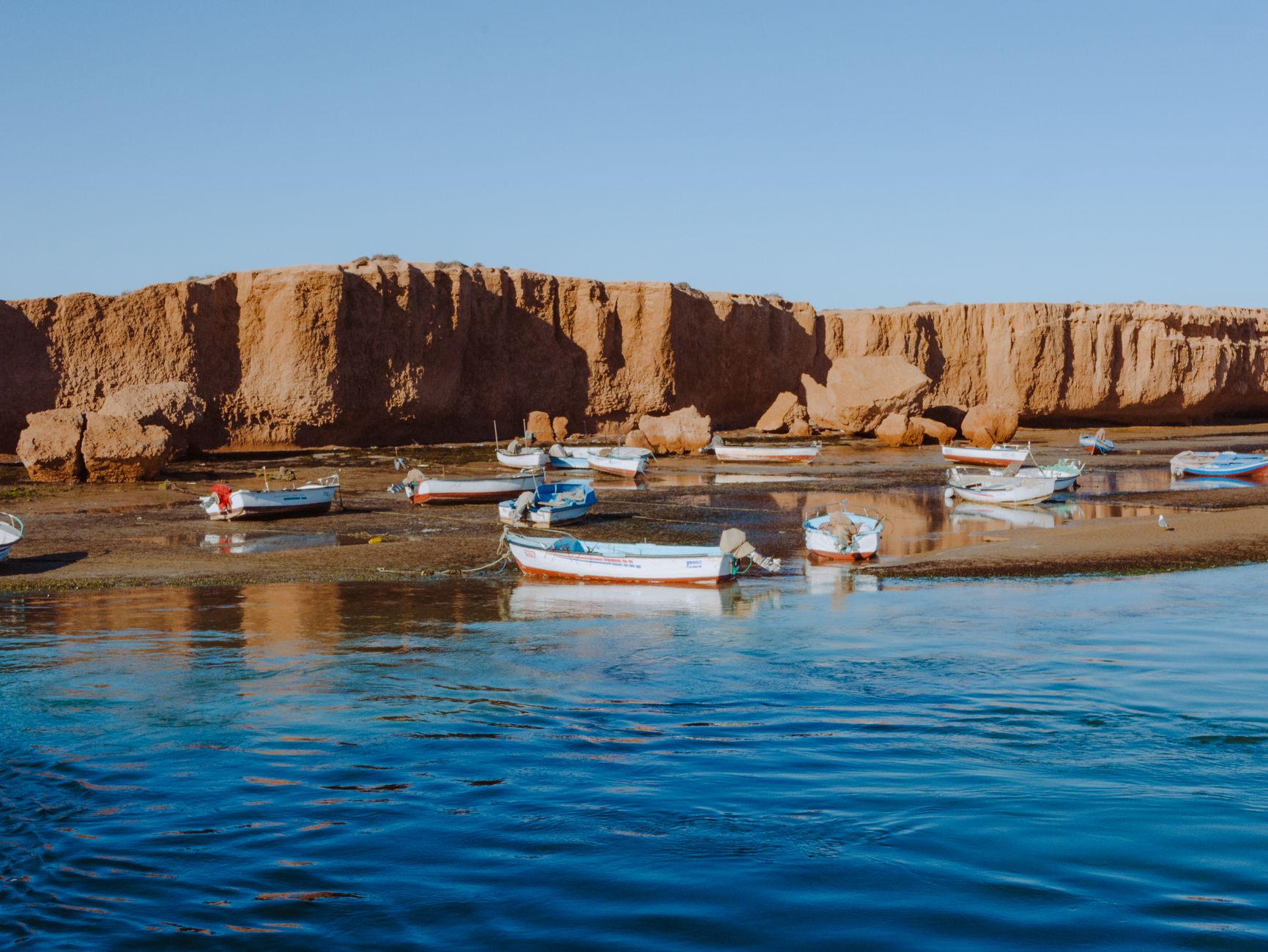
Photo by Mahmoud Yahyaoui on Pexels
France Colonized Tunisia in 1881 and Transformed Its Economy
On May 12, 1881, French troops occupied Tunis, marking the beginning of French colonization in Tunisia. Historian David Prochaska notes that this event was orchestrated by French Foreign Minister Jules Ferry. By 1883, the French had established a protectorate over Tunisia, with Paul Cambon as the first Resident-General.
What Everyone Knows
Most people think that French colonization in Tunisia was solely driven by a desire to expand French territorial control and spread its influence in North Africa. The standard story goes that the French simply imposed their rule on the local population, suppressing any opposition and exploiting the country's resources for their own benefit. However, this narrative oversimplifies the complex historical context of French colonization in Tunisia.
What History Actually Shows
Historians like Kenneth Perkins and Julia Clancy-Smith have demonstrated that French colonization in Tunisia was a multifaceted process driven by economic, strategic, and diplomatic considerations. In 1870, the French began to take a keen interest in Tunisia, which was then a major hub for pirate activity in the Mediterranean. By 1880, the French had already established trade agreements with the local ruler, Muhammad III as-Sadiq. The French colonization of Tunisia was facilitated by the local ruler's own desire to modernize and strengthen his country's economy. Historian Lisa Anderson argues that the French exploited these existing relationships to establish their protectorate, which was formalized on May 12, 1881. As French control solidified, they implemented a range of policies aimed at transforming Tunisia's economy, including the development of infrastructure, agriculture, and tourism. By 1900, the French had established a range of resorts and tourist facilities, catering to the growing number of European visitors drawn to Tunisia's climate and natural beauty. According to historian Daniel Nordman, the French also invested heavily in the development of Tunisia's ports, including the port of Tunis, which became a major hub for trade and commerce in the region. By 1910, Tunisia had been transformed from a pirate haven into a popular resort destination, with the French reaping the economic benefits of their colonization.
The Part That Got Buried
Historians like Albert Hourani and Neville Barbour deliberately omitted the brutal aspects of French colonization in Tunisia from their accounts, downplaying the violence and exploitation that occurred during this period. The French government also actively suppressed records of their colonization efforts, making it difficult for researchers to access accurate information. Concrete reasons for this suppression include the destruction of archival documents and the intentional misrepresentation of historical events. For instance, the French government destroyed many records of their interactions with Tunisian pirates, making it challenging to reconstruct the full story of their colonization. By controlling the narrative, the French government and collaborating historians managed to shape public perception and conceal the true nature of their colonization of Tunisia.
The Ripple Effect
The French colonization of Tunisia led to significant changes in the region's infrastructure, economy, and culture. The construction of modern ports, roads, and hotels transformed the country into a popular tourist destination, attracting visitors from across Europe. The French also established a system of education and governance that persisted long after they left, with many Tunisians still speaking French as a second language today. A specific modern consequence of this event is the existence of the Tunis-Carthage International Airport, which was originally built by the French and has since been expanded and modernized to accommodate the large number of tourists visiting the country.
The Line That Says It All
The French colonization of Tunisia resulted in the displacement and marginalization of the indigenous population, with many Tunisians forced to adopt French customs and language in order to participate in the new economy.
A Note on Sources
This article draws on historical records, documented accounts, and academic research related to the French colonization of Tunisia in the 19th and 20th centuries.