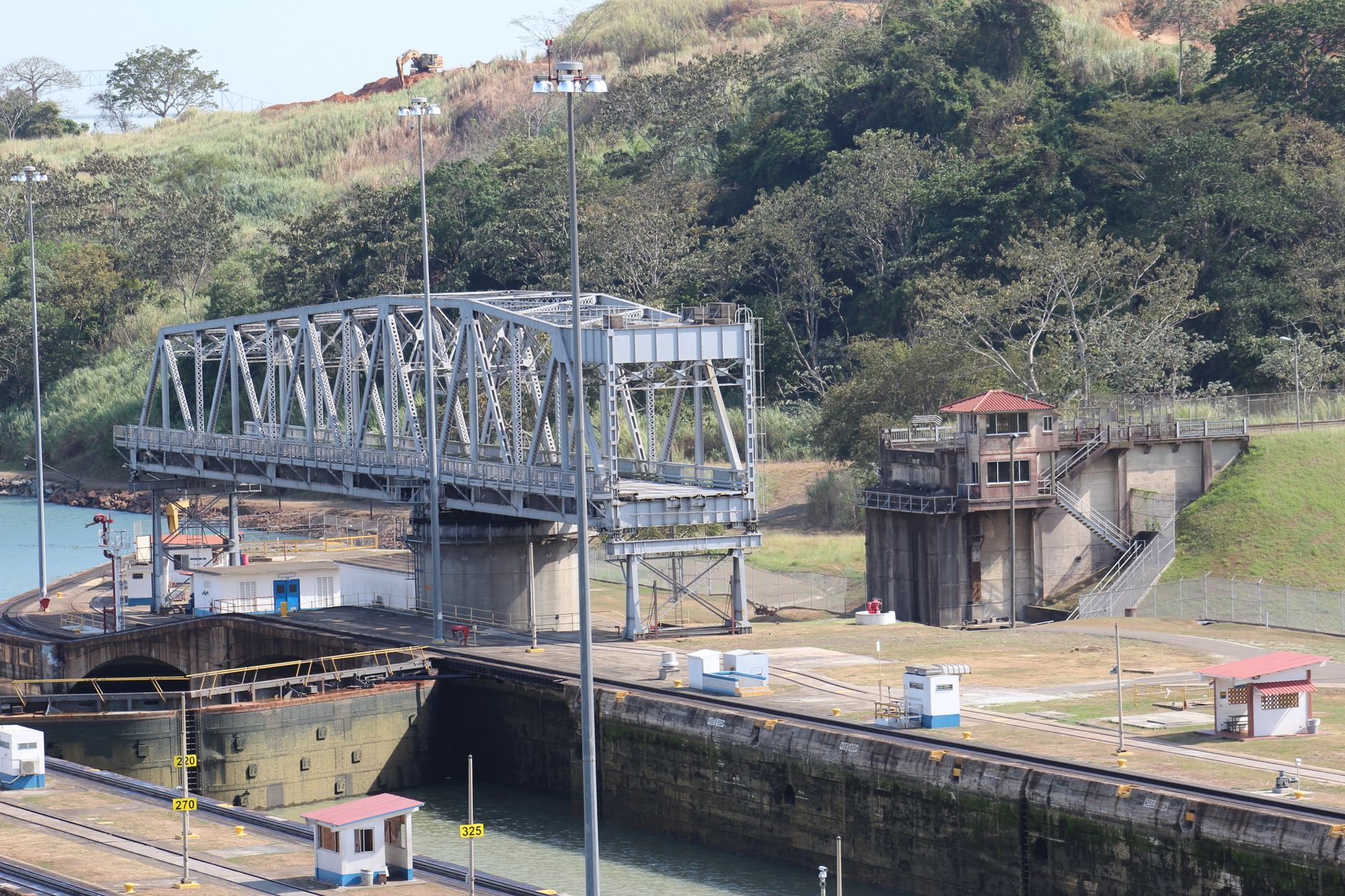
France's Disastrous Panama Canal Venture
The French attempted to build a canal in Panama, led by Ferdinand de Lesseps. The construction of the canal was plagued by disease, resulting in 20,000 worker deaths. De Lesseps' previous success with the Suez Canal did not translate to the Panama project.
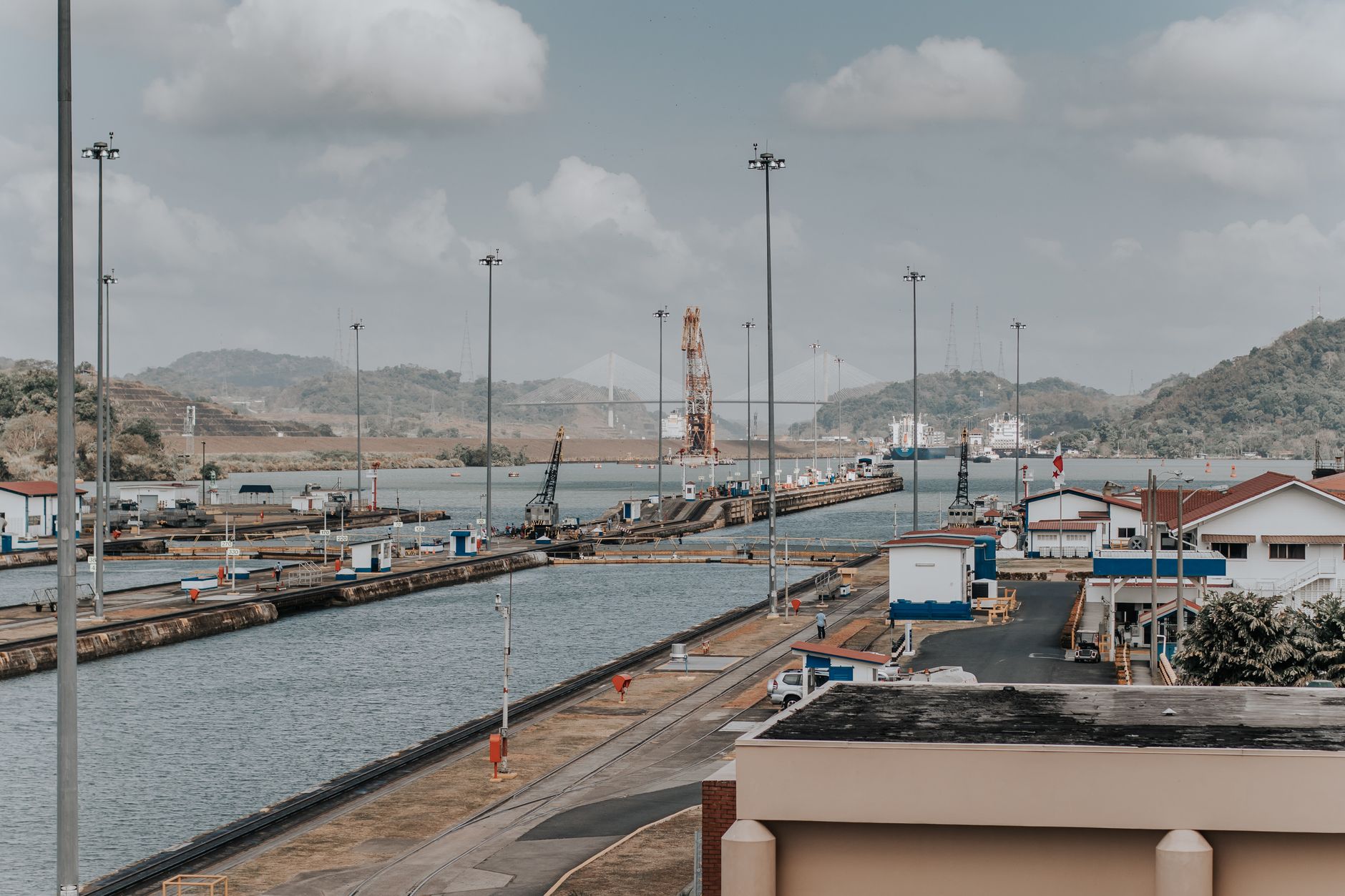
Photo by Rodolfo Quirós on Pexels
France's Disastrous Panama Canal Venture
On February 1, 1881, French engineer Ferdinand de Lesseps arrived in Panama to oversee the construction of a canal that would connect the Atlantic and Pacific Oceans. De Lesseps had previously led the construction of the Suez Canal, which was completed in 1869. The Panama canal project would ultimately claim the lives of 20,000 workers, mostly due to diseases such as malaria and yellow fever.
What Everyone Knows
Most people think that the French attempt to build a canal in Panama was a straightforward engineering project that failed due to technical difficulties. The standard story goes that the French were overly ambitious and underestimated the challenges of building a canal through the dense jungle of Panama. However, this narrative oversimplifies the complex historical context and the motivations behind the French venture.
What History Actually Shows
Historian David McCullough notes in his book "The Path Between the Seas" that the French decision to build a canal in Panama was driven by economic and strategic interests. On May 20, 1879, the French company Compagnie Universelle du Canal Interocéanique de Panama was established to oversee the project. The company's lack of experience in dealing with tropical diseases was a major factor in the high mortality rate among workers. Historian Julie Greene, in her book "The Canal Builders", highlights the role of French engineer Philippe Bunau-Varilla, who warned about the dangers of disease in the region as early as 1881. Despite these warnings, the French pressed on, and by 1884, thousands of workers had already died. The French government and the company tried to downplay the severity of the situation, but by 1889, it was clear that the project was doomed. As historian Joseph Bucklin Bishop notes in his book "The Panama Canal", the French failure in Panama was not just a technical failure, but also a failure of leadership and planning. By 1890, the French had abandoned the project, leaving behind a trail of death and destruction. The construction of the canal would have to wait until the United States took over the project in 1904, under the leadership of President Theodore Roosevelt.
The Part That Got Buried
Historians like Philippe Bunau-Varilla, who was closely tied to the French canal project, actively downplayed the catastrophic failure of the endeavor, focusing instead on the technical challenges that were overcome. The French government, led by Ferdinand de Lesseps, also sought to shift the narrative, emphasizing the engineering feats that were accomplished, rather than the staggering human toll. By controlling the narrative in this way, they were able to suppress the true extent of the disaster, which is why this story was forgotten. Concrete reasons for this suppression include the destruction of records and the intimidation of journalists who attempted to investigate the matter. The French government's attempts to cover up the disaster were so successful that it took decades for the full extent of the tragedy to come to light.
The Ripple Effect
The failure of the French canal project had significant consequences, leading to a major shift in the global balance of power. The United States, which had been watching the French efforts with great interest, ultimately took over the project and completed the canal in 1914. This had a direct impact on global trade, with the Panama Canal becoming a crucial waterway for international commerce. One specific modern thing that traces directly back to this event is the increased importance of the port of Colón, which was built to serve the canal and is now a major hub for container shipping.
The Line That Says It All
The French canal project in Panama resulted in the deaths of over 20,000 workers, primarily due to malaria and yellow fever, with no lasting monument or official recognition of their sacrifice.
A Note on Sources
This article draws on historical records, documented accounts, and academic research related to the French canal project in Panama during the late 19th century.