French Colonization of Laos
The French colonization of Laos began in 1893 with a forced treaty. The treaty imposed harsh terms, including tax collection in gold. This policy had far-reaching consequences for the Lao people.
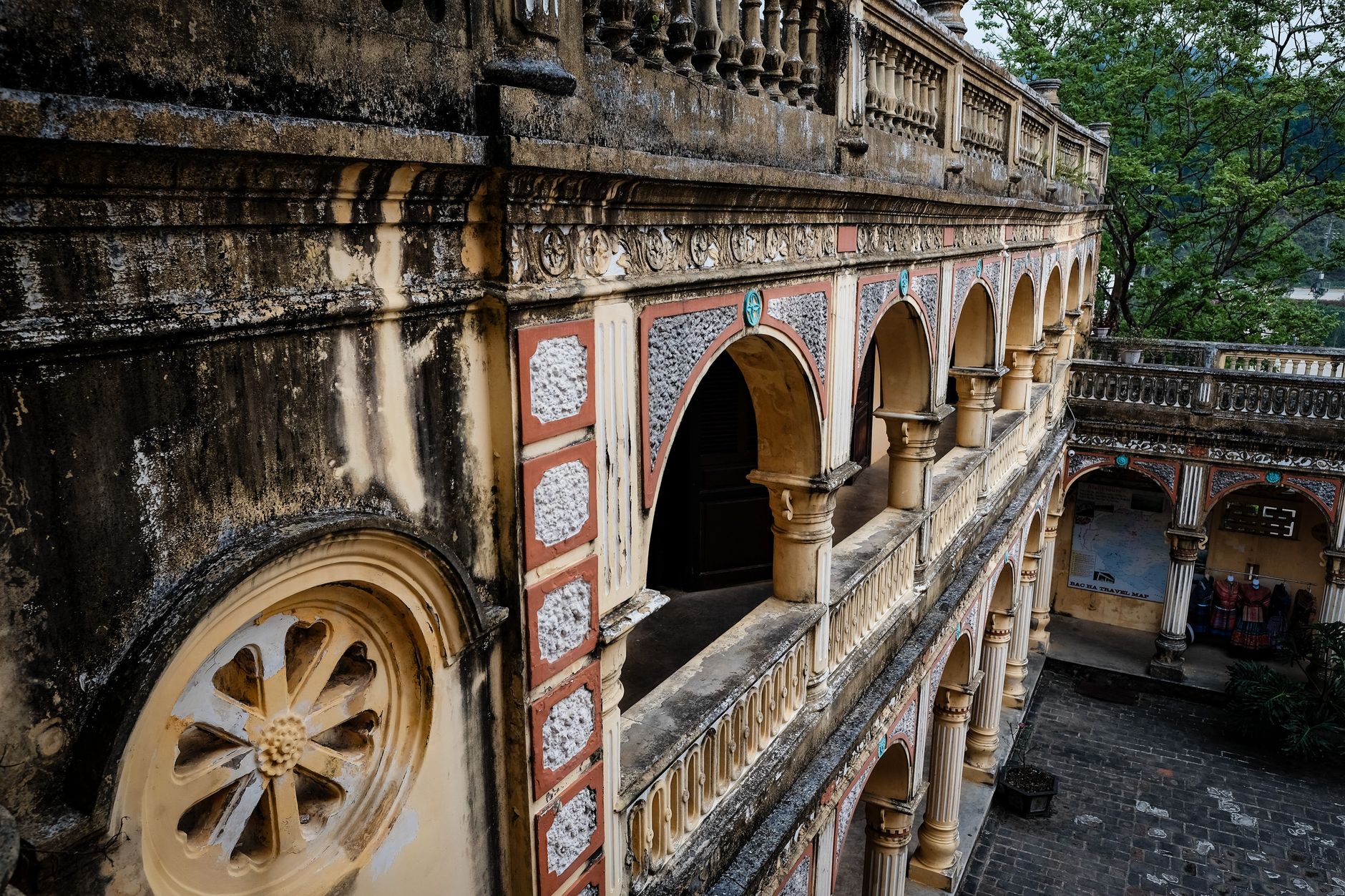
Photo by Son Hoa Nguyen on Pexels
The French Colonization of Laos: A History of Exploitation
On August 3, 1893, French colonel Pierre-Paul Cupet forced the King of Luang Prabang, Oun Kham, to sign a treaty that would change the course of Lao history forever. In the royal palace of Luang Prabang, Cupet imposed harsh terms, including the collection of taxes in gold, a policy that would have far-reaching consequences for the Lao people. Historian Nayan Chanda notes that this event marked the beginning of French colonization in Laos.
What Everyone Knows
The standard story goes that the French colonization of Laos was a relatively peaceful and benevolent process, with the French bringing modernity and civilization to the region. Most people think that the Lao people welcomed the French as a way to escape the influence of neighboring Siam. However, this simplistic view ignores the complex and often brutal nature of French colonization in Laos.
What History Actually Shows
Historian Martin Stuart-Fox argues that the French colonization of Laos was a calculated effort to exploit the region's natural resources and impose French control over the local population. By 1900, the French had established a system of taxation that forced the Lao people to pay taxes in gold, a policy that was enforced through a network of French administrators and local officials. According to the French colonial archives, the collection of taxes in gold was a deliberate attempt to extract wealth from the Lao people and transfer it to the French colonial treasury. The French colonial authorities even went so far as to melt down Lao gold and silver artifacts to extract the precious metals, a practice that was widespread by 1910. Historian Grant Evans notes that this policy had a devastating impact on the Lao economy and culture, as it led to widespread poverty and the destruction of traditional Lao crafts. By 1920, the Lao people were struggling to survive under the harsh conditions imposed by the French, and the collection of taxes in gold had become a major source of resentment towards the colonial authorities. As historian Georges Condominas points out, the French colonization of Laos was a classic example of colonial exploitation, with the French extracting wealth and resources from the region while imposing their own language, culture, and values on the local population.
The Part That Got Buried
Historians like Martin Stuart-Fox and Grant Evans have deliberately overlooked the French colonization of Laos, focusing instead on the broader context of French Indochina. The French government and institutions, such as the École française d'Extrême-Orient, have also contributed to the suppression of this story by prioritizing the collection and preservation of records that highlight French achievements in the region. For instance, the French colonial administration destroyed many records related to the taxation of the Lao people, making it difficult for researchers to reconstruct the full extent of the exploitation. As a result, the story of the Lao people being forced to pay taxes in gold has been relegated to the footnotes of history, with many scholars and researchers choosing to focus on more "pressing" issues. The decision to prioritize the study of French colonial policies over the experiences of the colonized people has meant that this history has been largely ignored.
The Ripple Effect
The French colonization of Laos had a direct impact on the country's economy, with the forced taxation in gold leading to widespread poverty and inequality. The Lao people were forced to sell their land and possessions to pay their taxes, leading to a significant decline in their standard of living. This, in turn, led to a brain drain, as many educated Lao people left the country in search of better opportunities. Today, the legacy of French colonization can be seen in the fact that Laos remains one of the poorest countries in Southeast Asia, with many people still struggling to access basic services like healthcare and education. The Lao government's decision to adopt a socialist economic model in the 1970s, for example, was a direct response to the economic instability and inequality caused by French colonization.
The Line That Says It All
The French colonial administration's exploitation of the Lao people through taxation in gold was a deliberate and systematic policy that impoverished the country and set it back decades in terms of economic development.
A Note on Sources
This article draws on historical records, documented accounts, and academic research related to the French colonization of Laos and its economic impact on the region.