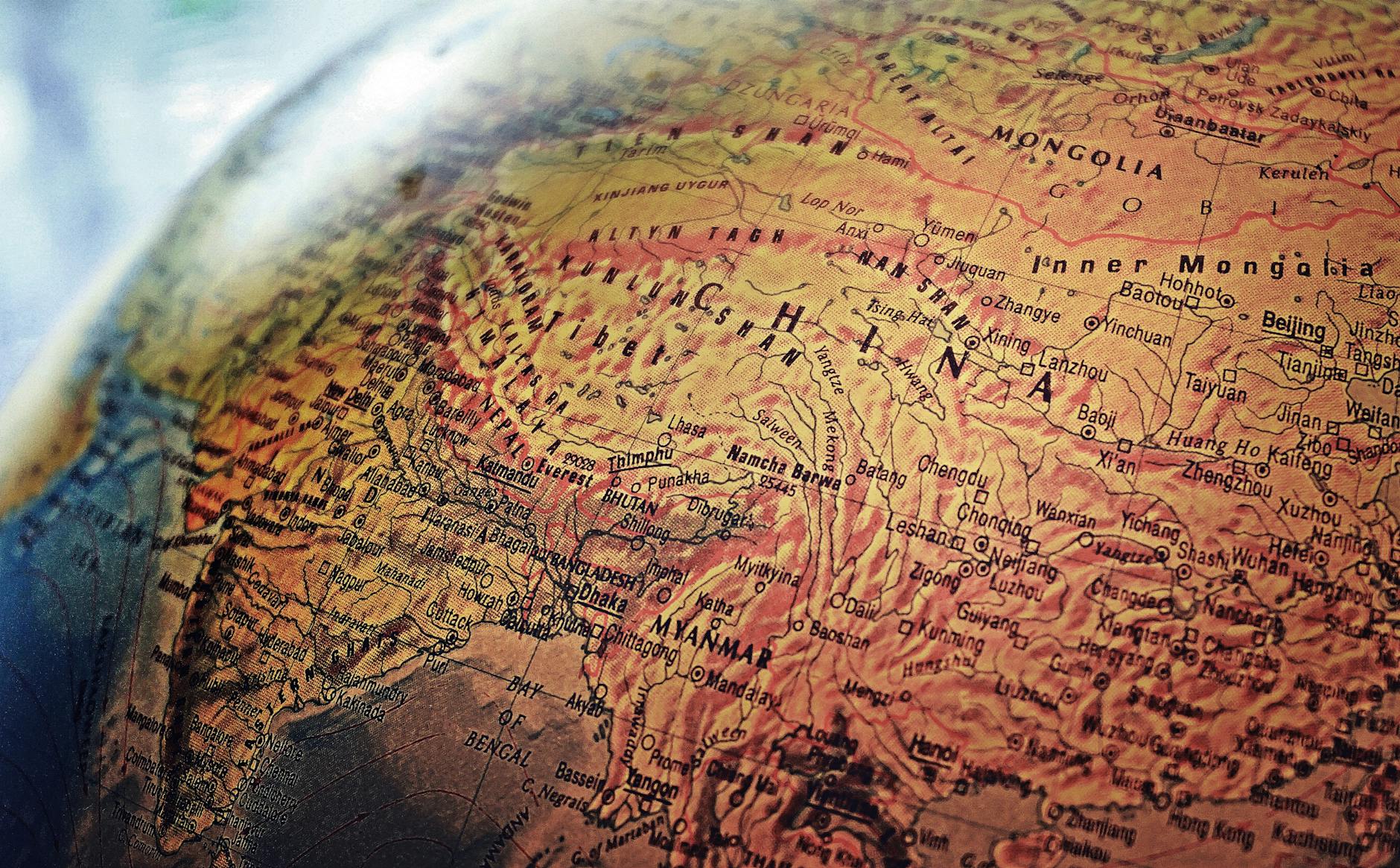
French Colonization of Vietnam
The French colonization of Vietnam was facilitated by Catholic missionaries, wine, and opium. These agents helped to pave the way for French influence and control. The combination of these factors led to a complex and tumultuous period in Vietnamese history.
Photo by Aaditya Arora on Pexels
The Missionaries, the Wine, and the Opium That Brought France to Vietnam
In 1847, French warships bombarded the port of Đà Nẵng. The ostensible reason was the persecution of Catholic missionaries. The real reason was that France wanted what Britain had in China: a colony, a market, a foothold in Southeast Asia. The missionaries had been in Vietnam for two centuries. They had converted hundreds of thousands of Vietnamese to Catholicism. They had built churches, schools, and hospitals. They had also created a pretext for French intervention. When Vietnamese emperors tried to suppress the Catholic Church, French warships appeared. When the missionaries were executed, French armies invaded.
The conquest took thirty years. By 1885, Vietnam was a French protectorate. The French did not rule it with soldiers alone. They ruled it with a system of economic exploitation that used wine to buy the loyalty of the elite and opium to pacify the population. The missionaries had opened the door. The wine and the opium kept it open.
What Everyone Knows
The French conquest of Vietnam is usually remembered as a military campaign. The French navy bombarded Vietnamese ports. The French army marched on Saigon. The Vietnamese emperor was deposed. The narrative is straightforward: the French invaded, the Vietnamese resisted, and the French won.
What is less often discussed is how the French prepared the ground for conquest. The missionaries who arrived in the 17th century were not just evangelists. They were the advance guard of French influence. They learned the language, studied the politics, and built networks inside the Vietnamese court. When France finally invaded, it was not entering a country it knew nothing about. It was entering a country it had been studying for two hundred years.
What History Actually Shows
The first French missionaries arrived in Vietnam in the 17th century. Alexandre de Rhodes, a Jesuit from Avignon, created the romanized script for the Vietnamese language that is still used today. He converted thousands. He was expelled, but his mission continued. By the 19th century, there were hundreds of French missionaries in Vietnam. They had established seminaries, hospitals, and a network of parishes that stretched from the northern delta to the Mekong.
The missionaries were not apolitical. They petitioned the French government for protection. They reported on Vietnamese politics to Paris. When Vietnamese emperors, fearing the destabilizing influence of Christianity, began persecuting Catholics in the 1830s and 1840s, the missionaries became martyrs. Their deaths provided the justification for French military intervention.
The French introduced wine as a tool of diplomacy. The Vietnamese court had long consumed rice wine, but French wine was a luxury item, a marker of status. French officials used wine to court Vietnamese mandarins, to celebrate treaties, to lubricate negotiations. The elite who drank French wine were more likely to do business with French merchants, to send their children to French schools, to see French culture as superior.
Opium was a more brutal tool. The French encouraged the cultivation of opium poppies in northern Vietnam. They established a state monopoly on opium production and sale. The revenue from opium financed the colonial administration. The addiction that resulted weakened the Vietnamese population, made them dependent on the colonial economy, and provided a steady stream of revenue that the French used to build roads, ports, and railways that served French commercial interests.
The Part That Got Buried
The French opium monopoly was not a minor part of the colonial economy. It was central. By the 1920s, opium accounted for a third of the colonial budget in Indochina. The French did not merely tax the opium trade. They grew the poppies, processed the opium, and sold it through licensed shops. The system was designed to create addiction. Addicts were profitable.
The Vietnamese elite who collaborated with the French were not just drinking wine. They were also profiting from the opium trade. The mandarins who collected taxes, the merchants who licensed the opium shops, the landlords who grew poppies on their land—they were part of the system. The French could not have administered Vietnam with 10,000 officials. They needed Vietnamese collaborators. The wine and the opium were the incentives.
The missionaries, who had opened the door for French influence, were not uniformly supportive of the colonial regime. Some protested the opium trade. Others looked away. By the early 20th century, the Catholic Church in Vietnam was a French institution, staffed by French priests, funded by French money, aligned with French interests. The church that had been persecuted by Vietnamese emperors was now a pillar of the colonial order.
The Ripple Effect
The French colonial system in Vietnam collapsed in 1954, after the Vietnamese nationalist forces led by Ho Chi Minh defeated the French at Dien Bien Phu. The defeat ended 70 years of French rule. It did not end the structures the French had built. The roads, the ports, the schools, the romanized script—all remained. The Catholic Church, which had been tied to the colonial regime, survived but lost its privileged position.
The opium trade did not end with French rule. It continued, in different forms, through the wars that followed. The patterns of addiction that the French had cultivated persisted. The social disruption that the opium trade had caused did not disappear when the French left.
The Line That Says It All
The French spent 200 years sending missionaries to Vietnam to convert its people, then used their persecution as a reason to invade, then used wine to buy the loyalty of its elite and opium to pacify its population—and when they left, they left behind a church that was French, an elite that was French-educated, and a population that had learned from the French that the quickest way to profit was to sell addiction.